


/file/publisher-c1a3f893382d2b2f8a9aa22a654d9c97/2022/08/a9d62d688ed210e5f1854fd2e9c6f5b2.jpg)

Irrational for profit-making TNB to hike tariff, says business group
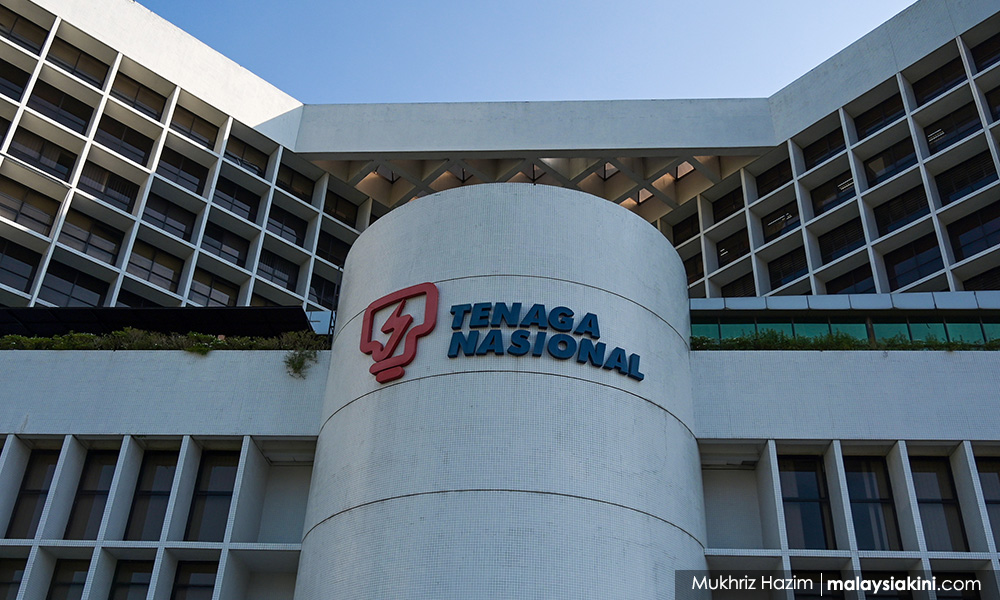
The Malaysia Retailers Association has hurled brickbats at Tenaga Nasional Berhad (TNB) over the latter’s plan to raise power tariff rates in the middle of next year.
The group pointed out that TNB posted an impressive net profit exceeding RM1 billion in the second and third quarters of the year.
“With such financial performance, the rationale for...
Summary
The Malaysia Retailers Association criticises TNB’s plan to raise electricity tariff rates next year.
The group urges TNB to use portions of its profits to cover costs instead of burdening consumers.
The association points out that businesses are already expecting additional costs with rise in minimum wage, among others.
The Malaysia Retailers Association has hurled brickbats at Tenaga Nasional Berhad (TNB) over the latter’s plan to raise power tariff rates in the middle of next year.
The group pointed out that TNB posted an impressive net profit exceeding RM1 billion in the second and third quarters of the year.
“With such financial performance, the rationale for burdening businesses and consumers with a tariff hike becomes irrational.
“We urge TNB to reinvest portions of its large profits to cover their operational and maintenance costs, rather than passing them to the public and consumers,” said its president Andrew Lim in a statement today.
TNB, in an announcement to Bursa Malaysia on Dec 26, said a new tariff schedule with a base tariff of 45.62 sen per kilowatt-hour (kWh) for Peninsular Malaysia under Regulatory Period 4 (RP4) is proposed to be implemented starting July 1, 2025.
Under the Regulatory Period 3 (RP3) from 2022 to 2024, the base tariff is set at 39.95 sen/kWh.
However, Prime Minister Anwar Ibrahim shot back saying he would not allow tariff hikes and had contacted Deputy Prime Minister Fadillah Yusof, who is also the energy transition and water transformation minister, regarding the matter.
Following this, Fadillah said no decision has been made regarding electricity tariff hikes.
He reiterated that his ministry, along with the Energy Commission, is still in the process of finalising the new electricity tariff schedule.
“In this matter, any announcement regarding electricity tariffs in the peninsula will be issued by the government,” he said.
Additional costs
Unimpressed, Lim said businesses are already grappling with significant cost increases next year.
He pointed out that retailers would have to pay a higher minimum wage of RM1,700 effective Feb 1 next year, in addition to mandatory contributions to the Employers Provident Fund for non-citizens.

“We also have the services tax hike from six percent to eight percent, adding financial burden to compliance.
“There is also the impact of the Employment Act amendments, including expanded overtime entitlements, increased maternity leave and reduced weekly working hours.
“And we have to deal with global uncertainties such as geopolitical tensions, further straining Malaysia’s economic stability and business viability,” he added.
Rise in inflation
With such challenges, combined with a rise in electricity tariffs, Lim said it would lead to higher operational expenses for businesses, resulting in an inevitable transfer of these costs to consumers.
“The retail industry fears this would exacerbate inflation, reduce consumer spending and threaten Malaysia’s competitiveness and economic recovery,” he added.
Lim called on the authorities to reconsider the proposed electricity tariff hike by considering the economic implications it may pose on the country.
“Hold dialogues with all stakeholders to address everyone’s concerns and explore alternative solutions,” he stressed.
/file/publisher-c1a3f893382d2b2f8a9aa22a654d9c97/2023/07/ff323327f85a8dbf9b45eb0a39a519d3.jpg)
/file/publisher-c1a3f893382d2b2f8a9aa22a654d9c97/2024/11/1cf208a84e22dd692ad441893dc8012e.jpg)
/file/publisher-c1a3f893382d2b2f8a9aa22a654d9c97/2024/12/6bc8262316e6d7f6917ae1096506b166.jpg)
/file/publisher-c1a3f893382d2b2f8a9aa22a654d9c97/2022/08/3d943ff08cdeb8c37fcabff3529846ec.jpg)


Are you sure you want to delete this comment?
This action cannot be undone.