


/file/publisher-c1a3f893382d2b2f8a9aa22a654d9c97/2022/06/85c3128a312970567bb6999585cf30e5.jpg)

MCA leader wants TNB to justify tariff hike proposal while S'pore lowers rates
MCA vice-president Wee Jeck Seng has called on Tenaga Nasional Berhad (TNB) to explain its claim that electricity tariffs must be readjusted to reflect higher projected fuel costs.
The Tanjung Piai MP noted that this announcement comes just days after Singapore revealed it would lower electricity rates for the first quarter of next year due to declining international energy prices.
Summary
MCA’s Wee Jeck Seng urges TNB to explain its proposed electricity tariff hike for 2025–2027, citing projected higher fuel costs while neighbouring Singapore is reducing electricity rates due to falling international energy prices.
Wee highlights the burden of rising electricity costs on SMEs and households, calling for transparency in TNB’s cost structure and a fair tariff adjustment process to prevent undue hardship on Malaysians.
MCA vice-president Wee Jeck Seng has called on Tenaga Nasional Berhad (TNB) to explain its claim that electricity tariffs must be readjusted to reflect higher projected fuel costs.
The Tanjung Piai MP noted that this announcement comes just days after Singapore revealed it would lower electricity rates for the first quarter of next year due to declining international energy prices.
He highlighted that TNB’s statement attributed the proposed base tariff adjustment under the Fourth Regulatory Period (RP4) for 2025-2027 to the need to reflect rising fuel cost projections.
However, Wee also noted that Singapore Power and City Energy issued a press release stating that household electricity rates will be reduced by 3.4 percent in Q1 2025, reaching their lowest level since Q3 2023, as a result of falling international energy prices.
“These two nations are separated by only a narrow causeway. Why does TNB repeatedly emphasise rising international energy prices to justify tariff hikes, while Singapore can lower its rates as prices so often?” Wee questioned in a statement today.
TNB, in an announcement to Bursa Malaysia on Dec 26, proposed implementing a new tariff schedule with a base tariff of 45.62 sen per kilowatt-hour (kWh) for Peninsular Malaysia under RP4 starting July 1, 2025.
Under the current Regulatory Period 3 (RP3) from 2022 to 2024, the base tariff is set at 39.95 sen/kWh.
PM against proposed tariff increase
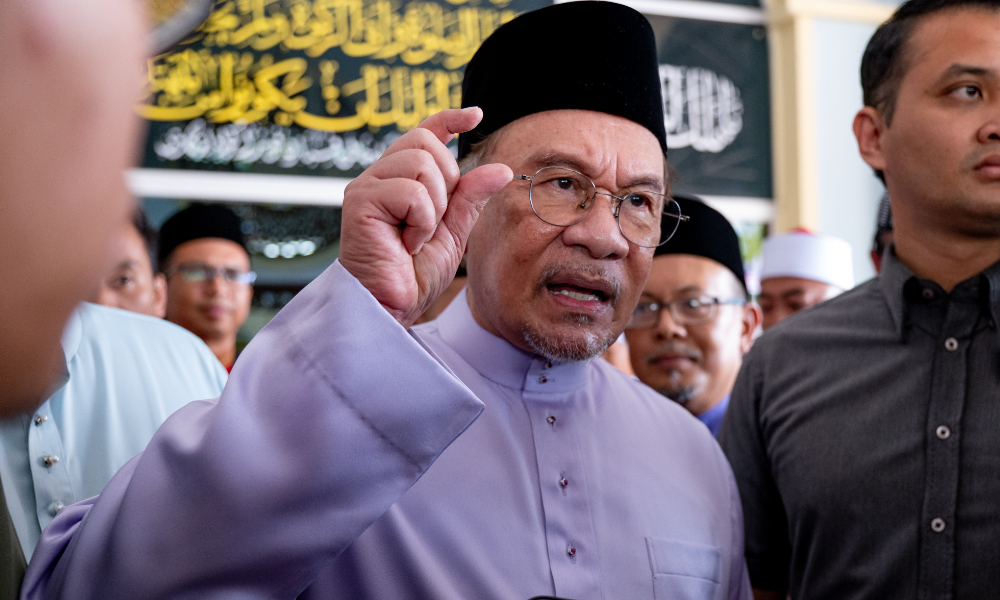
However, Prime Minister Anwar Ibrahim was strongly against it, stating that he would not permit tariff hikes that affect the general public.
He said he had contacted Deputy Prime Minister Fadillah Yusof, who is also the energy transition and water transformation minister, regarding the matter.
“We do not allow electricity tariff hikes that impact the public. Any increase, as in the past, will only affect the upper class that I describe as the super-rich, or industries recording significant profits.
“The majority of the public will not be impacted by electricity tariff increases, even though I understand that costs are rising,” Anwar said on Dec 27.
Subsequently, Fadillah clarified that no decision had been made regarding electricity tariff hikes and confirmed that his ministry, along with the Energy Commission, is still finalising the new electricity tariff schedule.
Gerakan President Dominic Lau had urged the government to take action against TNB if the power tariff hike for next year was announced without government approval.
Economic and social concerns
Meanwhile, Wee also highlighted the significant impact of electricity rate increases on both Malaysian citizens and businesses, especially in the recovering economy.
He warned that additional cost burdens could intensify the pressure on SMEs, potentially affecting their operations and the broader job market.
Moreover, he noted that higher electricity tariffs would directly increase the cost of living for ordinary households, forcing low-income groups to cut back further on daily expenses.
“In recent days, I have heard countless concerns from business owners worried that rising electricity rates will weaken their competitiveness, especially when compared to international markets.
“At the same time, many ordinary families have expressed frustration that they are already struggling with inflation and now have to deal with the burden of higher electricity bills. These voices must be taken seriously by TNB and the government,” Wee said.
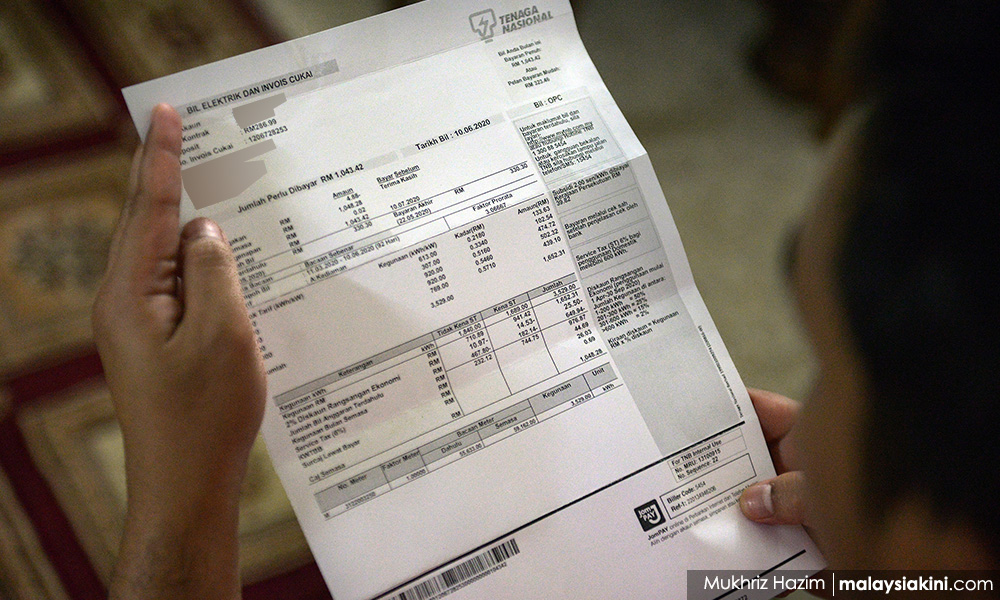
Wee urged the government to make TNB’s cost structure and tariff adjustment mechanism transparent, enabling the public to understand the reasoning behind the changes and avoid further scepticism.
“The authorities must also reassess the rationality of fuel cost projections and consider the practices of other countries to ensure that electricity tariff adjustments are both fair and reasonable,” he added.
He stressed that electricity is the backbone of economic development and called on both the government and TNB to strike a balance between corporate interests and public welfare.
“The solution should not simply be to pass cost pressures onto consumers,” he concluded.
/file/publisher-c1a3f893382d2b2f8a9aa22a654d9c97/2022/08/a9d62d688ed210e5f1854fd2e9c6f5b2.jpg)
/file/publisher-c1a3f893382d2b2f8a9aa22a654d9c97/2023/07/ff323327f85a8dbf9b45eb0a39a519d3.jpg)
/file/publisher-c1a3f893382d2b2f8a9aa22a654d9c97/2024/11/1cf208a84e22dd692ad441893dc8012e.jpg)
/file/publisher-c1a3f893382d2b2f8a9aa22a654d9c97/2024/12/6bc8262316e6d7f6917ae1096506b166.jpg)
/file/publisher-c1a3f893382d2b2f8a9aa22a654d9c97/2022/08/3d943ff08cdeb8c37fcabff3529846ec.jpg)
/file/publisher-c1a3f893382d2b2f8a9aa22a654d9c97/2020/01/5346713d4c211595f52c686dd3f8e726.jpg)


arent the IPPs making tonnes of profit? if so slash their profits instead of raising proces!
Are you sure you want to delete this comment?
This action cannot be undone.