


/file/publisher-c1a3f893382d2b2f8a9aa22a654d9c97/2023/03/ab459fc5537a19d8d042d51ecf7f0caa.jpg)

Ministry: No action against errant clinics during price display rule grace period
The Health Ministry has assured that no summons will be issued during the three-month grace period for the Price Control and Anti-Profiteering (Price Marking for Drug) Order 2025.
The ministry’s deputy health director-general for pharmaceutical services, Azuana Ramli, reiterated that authorities are prioritising the concept of “educational enforcement” during the grace period for the order.
“(According to) the order, what needs to be done...
Summary
Health Ministry official says no intention to fine those in violation of a drug price display rule - for now
Domestic Trade and Cost of Living enforcement division chief dismisses claims that officers had given warnings and threatened to fine non-complying clinics hours after the policy came into force yesterday.
The Health Ministry has assured that no summons will be issued during the three-month grace period for the Price Control and Anti-Profiteering (Price Marking for Drug) Order 2025.
The ministry’s deputy health director-general for pharmaceutical services, Azuana Ramli, reiterated that authorities are prioritising the concept of “educational enforcement” during the grace period for the order.
“(According to) the order, what needs to be done and how it’s going to be done is clear, but we will have to look at how it (adherence) is being conducted.
“So, during these (three) months, we have no intentions to (issue) fines, notices and so on yet (as) it’s going to be just an advocacy and learning phase,” Azuana told a media briefing on the initiative in Putrajaya today.
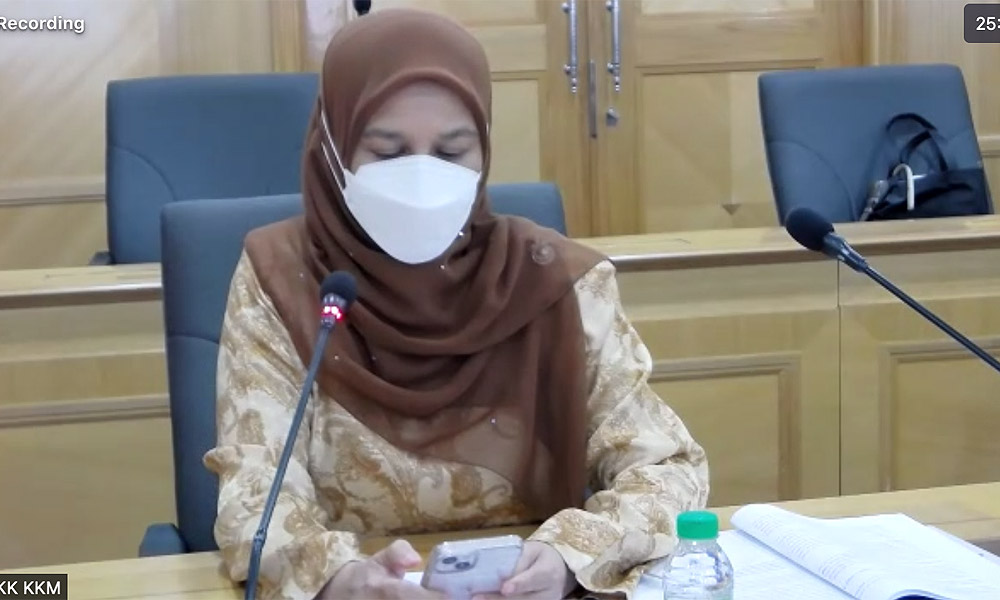
The order, which, among others, requires private healthcare facilities to display medicine prices, came into effect yesterday, despite protests from certain groups crying foul over the government’s alleged lack of engagement and other grouses.
It was reported yesterday that a private doctors’ group claimed enforcement officers from the Domestic Trade and Cost of Living Ministry inspected clinics and issued three-day ultimatums ordering them to display medicine prices or face legal summons.
The group lambasted the officers’ alleged actions as Health Minister Dzulkefly Ahmad as well as Domestic Trade and Cost of Living Minister Armizan Ali had repeatedly assured that the first three months of the mechanism’s implementation will be a grace period with advocacy-first inspections.
‘No threats’
Addressing the claims, Domestic Trade and Cost of Living Ministry enforcement director-general Azman Adam denied the assertions made by the Federation of Private Medical Practitioners’ Associations of Malaysia (FPMPAM), insisting that no such “threats” were made.
Azman said the officers involved in the matter had merely dropped by a clinic in the vicinity of an area where several other separate operations, including those related to egg sales and licensing of business operations, were underway.
“Our officers just asked whether they (clinic) are aware or not regarding the price display rule… it’s a routine part of our responsibilities, (and) no notice or summons were issued (by the officers) yesterday.
“There is no evidence, no documentation (on warnings) issued by officers (in this case),” he added.
Moving forward, medical premise inspections are set to be spearheaded by the Health Ministry’s pharmaceutical enforcement officers, while its Domestic Trade and Cost of Living Ministry counterparts are expected to only occasionally collaborate on endeavours linked with the price display move.
Azuana also highlighted that various stakeholder discussion sessions had been organised prior to the passing of the rule, adding that the “majority” of those engaged had backed the policy as a way of ensuring transparency.
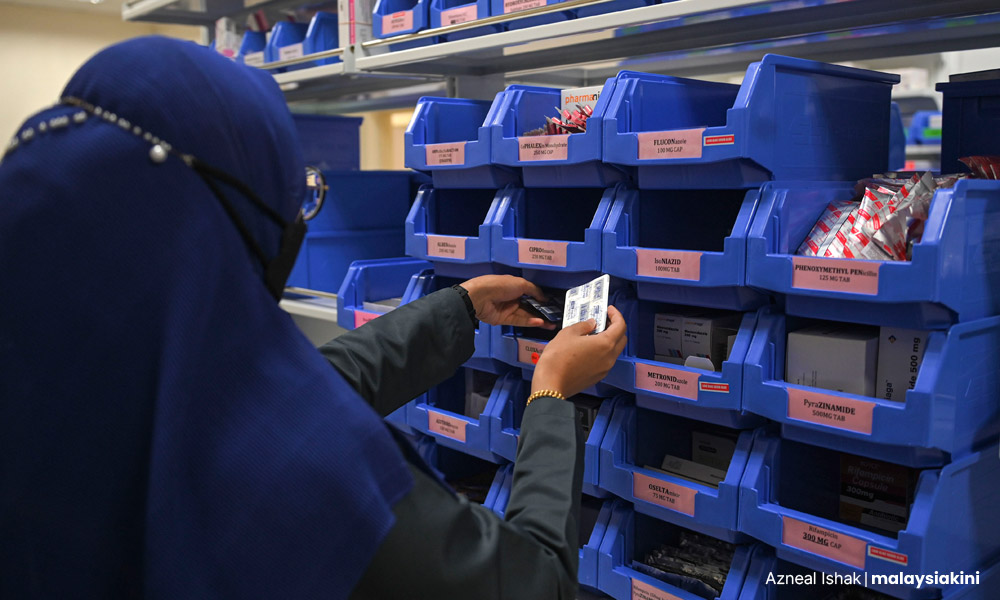
“From the sessions we’ve had, it’s clear that a majority of stakeholders agree (with the rule)...one way or another, it’s clear that this (rule) has to be done.
“I understand that there are certain stakeholders opposing (the directive) or maybe they have some concerns on enforcement, (but) we can handle (such worries),” she said.
Outcry
The policy had earlier incited outcry from certain parties within the medical industry, particularly the Malaysian Medical Association (MMA), which is organising a May 6 rally protesting against the rule.
MMA president Dr Kalwinder Singh Khaira claimed that in a meeting with health practitioners in February, Dzulkefly pledged that the price transparency would only be implemented after general practitioners’ fees are reviewed.
Doctors have also argued that the sale of medication is what helps keep clinics afloat, especially since GP fees have not been revised for 33 years.
A cost-benefit analysis report conducted by the Health Ministry and Malaysia Productivity Corporation in 2021 cautioned that if clinics were forced to wind up their businesses due to loss of profits, B40 communities’ access to healthcare in rural areas could be impacted.
/file/publisher-c1a3f893382d2b2f8a9aa22a654d9c97/2023/03/aa415cd3d85da4ff815418a11c71c010.jpg)
/file/publisher-c1a3f893382d2b2f8a9aa22a654d9c97/2023/03/ab459fc5537a19d8d042d51ecf7f0caa.jpg)
/file/publisher-c1a3f893382d2b2f8a9aa22a654d9c97/2023/03/3ade085591d5db0cba7a164bc421825b.jpg)
/file/publisher-c1a3f893382d2b2f8a9aa22a654d9c97/2022/12/98212145556beaf4bb5d02935bd6e2e1.jpg)
/file/publisher-c1a3f893382d2b2f8a9aa22a654d9c97/2022/08/f92ade7293853a17802529ac9ba1e18b.jpg)


Are you sure you want to delete this comment?
This action cannot be undone.