


/file/publisher-c1a3f893382d2b2f8a9aa22a654d9c97/2022/12/779a8bd4e30efd8ea7556f0c91b80c1d.jpg)

'Still not accessible': Disability groups protest Rapid KL DRT vans
Disability advocates in Malaysia have sharply criticised Prasarana Malaysia Berhad and the Transport Ministry after the announcement of 320 new vans for Rapid KL’s on-demand service.
They said the vehicles still fail to accommodate wheelchair users despite official claims that they are disability-friendly.
In an open letter undersigned by 10 civil society movements, including activist and former senator Bathmavathi Krishnan, the group expressed dismay that the new fleet includes...
Summary
Disability advocates criticise Prasarana Malaysia Berhad and the Transport Ministry for “misleadingly” claiming that 320 new Rapid KL on-demand vans are disability-friendly.
Direct verification confirms they lack wheelchair accessibility features.
The advocates express profound disappointment that the Demand Responsive Transit (DRT) "failed the most basic test of inclusivity" by excluding wheelchair users.
Disability advocates in Malaysia have sharply criticised Prasarana Malaysia Berhad and the Transport Ministry after the announcement of 320 new vans for Rapid KL’s on-demand service.
They said the vehicles still fail to accommodate wheelchair users despite official claims that they are disability-friendly.
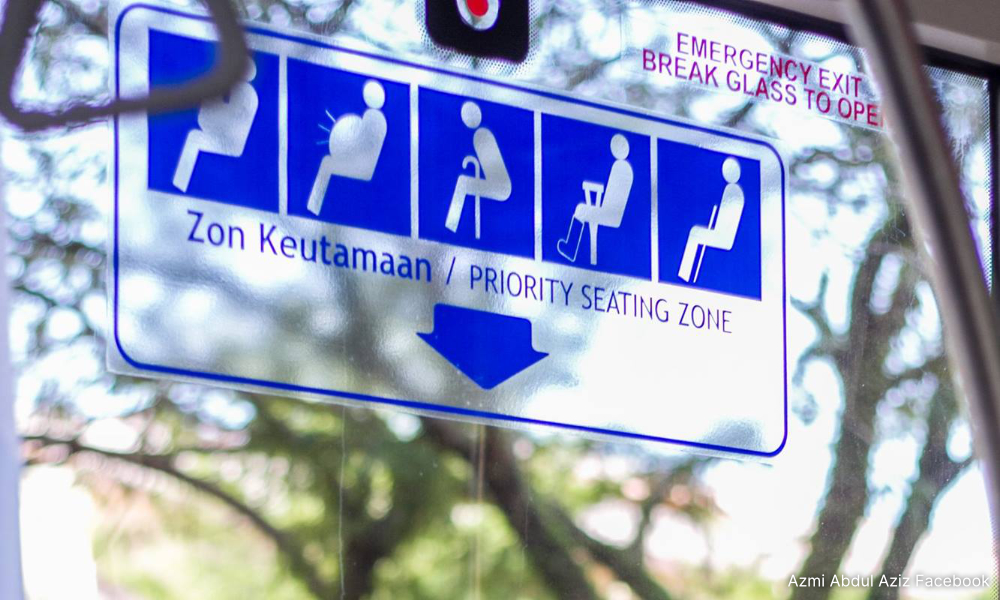
In an open letter undersigned by 10 civil society movements, including activist and former senator Bathmavathi Krishnan, the group expressed dismay that the new fleet includes "designated seats for persons with disabilities", whilst lacking fundamental accessibility features such as ramps and secure wheelchair spaces.
"We have seen this mistake before. In 2006, Prasarana procured new buses that excluded wheelchair users. Only after strong public outcry from the disabled persons community that corrective steps taken to procure universally accessible buses," the group said.
They referred to an article published in The Star last week, which reported that a new fleet of 320 vans would be introduced to enhance Rapid KL’s on-demand service.
According to the article, the service is set to expand by June, with the addition of these vans, which are claimed to include designated seating for persons with disabilities.
Misleading information
"However, this is misleading. A direct check with Rapid KL confirms that the vans are not accessible to wheelchair users. There are no ramps, no secure wheelchair spaces and no universal access features, effectively leaving out people who need the accessible transport most.
“It is disheartening that demand-responsive transit (DRT) van service, promoted as flexible and modern, has failed the most basic test of inclusivity," the group said, adding that public transport should treat accessibility as an afterthought.
They said DRT vans should have been designed, from the outset, to accommodate all, including wheelchair users and the elderly, and the exclusion due to poor design contradicts Malaysia’s commitment to an equitable and inclusive development.

The group also said that Rapid Mobility offers merely a separate door-to-door transport service, with a paltry two vans serving persons with disabilities across the entire Klang Valley.
"Even with plans to increase to 15 vans, the scale remains vastly inadequate, with narrow operating hours and long advance booking times," they said.
Suggestions for improvements
The group urged Prasarana and the Transport Ministry to take immediate corrective actions by:
Retrofitting existing DRT vehicles with accessibility features such as ramps and secure wheelchair spaces, where possible.
Introducing accessible vans at strategic routes where the demand is.
Ensuring that all future vehicle procurements comply with universal design standards.
They also called for active engagement sessions with the disabled community, including wheelchair users, in the planning, auditing and evaluation processes of public transport services.
"We, the users, are the experts of our own needs and lived realities. Meaningful consultation with the disabled people is essential, not only to avoid costly mistakes, but to ensure solutions genuinely serve the users," they added.


Are you sure you want to delete this comment?
This action cannot be undone.