


/file/publisher-c1a3f893382d2b2f8a9aa22a654d9c97/2024/03/599be37577c026ea511698616e65327a.jpg)

Domestic LPG ban in eateries will burden consumers, DAP Youth warns
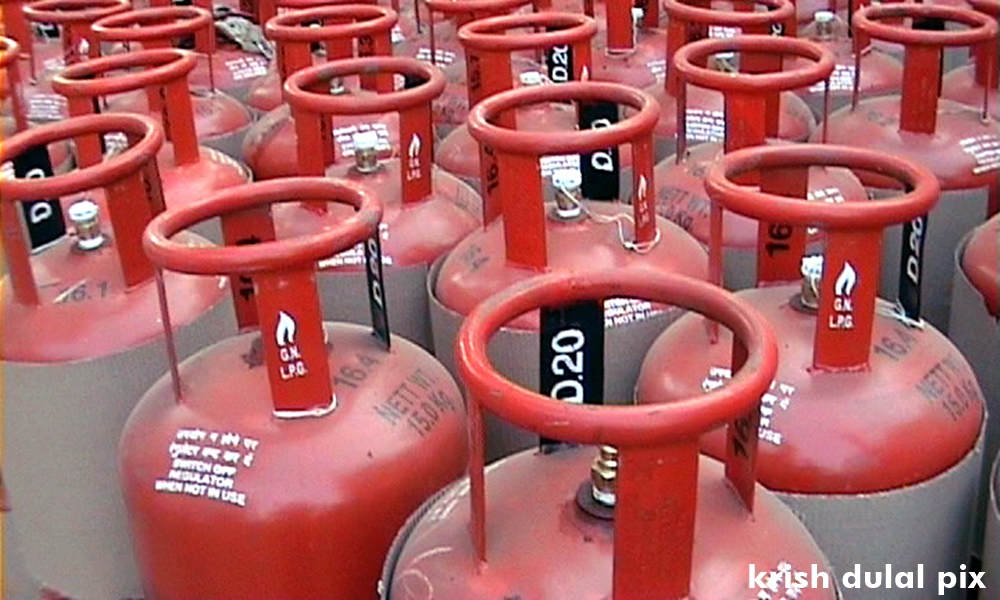
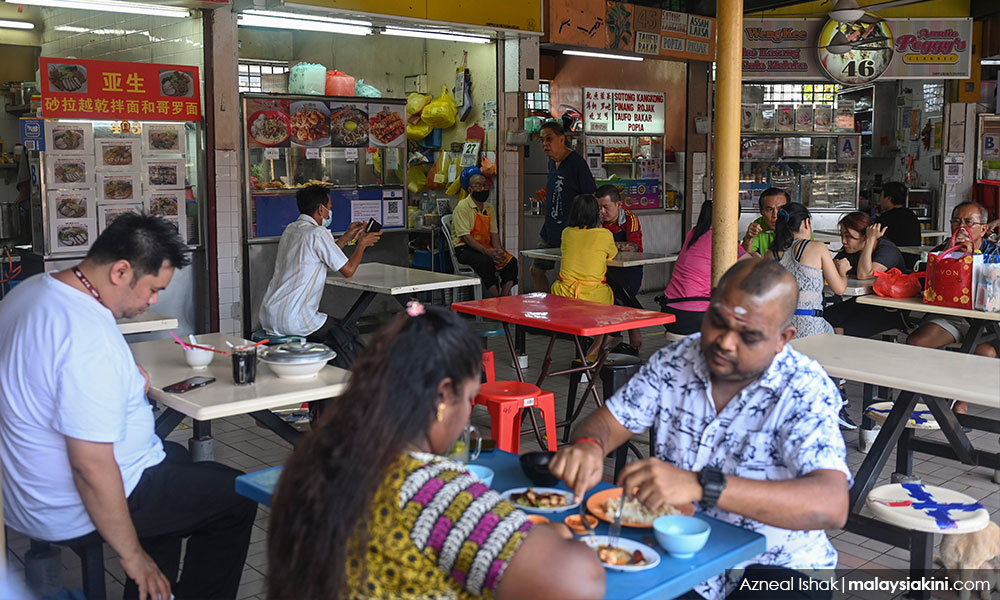
DAP Youth has urged the government to postpone a ban on the use of household liquefied petroleum gas (LPG) in eateries, warning that the move could burden consumers as food operators will be forced to raise their prices.
DAP Youth public policy bureau chief Jason Ng highlighted that the price of commercial LPG is nearly three times higher than its domestic counterpart, with many small eateries and hawkers still relying on subsidised gas to conduct their businesses.
Summary
DAP Youth urges the government to delay banning domestic LPG in food premises, warning it will hike food prices and burden consumers.
Its public policy bureau chief Jason Ng says small operators rely on subsidised LPG, and switching to commercial gas, almost triple the price, would trigger inflation.
Citing a 2021 PAC report, he proposes expanding subsidies to non-industrial sectors and calls for stakeholder engagement before implementation.
DAP Youth has urged the government to postpone a ban on the use of household liquefied petroleum gas (LPG) in eateries, warning that the move could burden consumers as food operators will be forced to raise their prices.
DAP Youth public policy bureau chief Jason Ng highlighted that the price of commercial LPG is nearly three times higher than its domestic counterpart, with many small eateries and hawkers still relying on subsidised gas to conduct their businesses.
“If forced to switch to commercial LPG, (such traders) will have no choice but to pass the additional costs on to customers, thus causing food prices to rise and ultimately burdening the public,” the Astaka assemblyperson said in a statement today.
Noting that many people depend on food premises outside their home due to work-related reasons, Ng cautioned that the “drastic implementation” of the policy could trigger a chain reaction and broader inflationary pressure.
“In the current challenging economic conditions, people are already burdened by rising living costs.
“If enforcement actions are taken hastily, it will not only cause unrest among food operators but also further fuel inflation,” he added.
‘Expand use of subsidised LPG instead’
He also pointed to a 2021 report by Parliament’s Public Accounts Committee on LPG subsidies, which he said stated that the Finance Ministry had prepared a cabinet memorandum draft recommending a proposal to identify groups eligible for LPG subsidies.
Such groups, Ng said, included operators of educational and medical institutions, night market vendors, food stalls, hawkers, restaurants, and operators of cafeterias or food courts in shopping malls, offices, factories, airports, highway rest areas, and other locations.
As such, he proposed that the Domestic Trade and Cost of Living Ministry consider expanding the use of subsidised LPG to non-industrial categories to avoid directly affecting the public.
“The ministry should hold comprehensive engagement sessions with industry players and the public before implementing this policy, and assess the overall impact from various angles, so that its implementation is more organised and fair,” Ng stressed.
On April 18, Domestic Trade and Cost of Living Minister Armizan Ali said the ministry would implement “Ops Gasak” starting May 1 to curb the misuse of subsidised cooking gas.
Armizan said the leakage of LPG subsidies must be addressed urgently due to its significant financial impact on the government.
Under the policy, eateries will have to switch to commercial LPG, which costs around RM65 to RM70 for a 14kg cylinder, representing an increase of more than two and a half times compared to the previous subsidised price of RM27 to RM30.
/file/publisher-c1a3f893382d2b2f8a9aa22a654d9c97/2023/10/ce070ba9d3322d87f1ab417ed84abeb5.jpg)
/file/publisher-c1a3f893382d2b2f8a9aa22a654d9c97/2024/10/27fcd999718950fb7660ef86b7c82b6f.jpg)
/file/publisher-c1a3f893382d2b2f8a9aa22a654d9c97/2021/01/a7c8202d6ce30840ac4cbbf5ec06d390.jpg)
/file/publisher-c1a3f893382d2b2f8a9aa22a654d9c97/2025/05/006f07082ef75956e732b0c91519ac7c.jpg)
/file/publisher-c1a3f893382d2b2f8a9aa22a654d9c97/2025/05/a3bb46ee402aa786c13ae4a2056d452a.jpg)
/file/publisher-c1a3f893382d2b2f8a9aa22a654d9c97/2021/03/8c0157f0b4baec4210599bd2fb7088c4.jpg)


Are you sure you want to delete this comment?
This action cannot be undone.