


/file/publisher-c1a3f893382d2b2f8a9aa22a654d9c97/2024/02/c0281926f9b01f4339752d7bfa7efe85.jpg)

Selangor sultan urges SIS to drop 'Sisters in Islam' from publications
The Selangor sultan has expressed disappointment and regret over part of the Federal Court’s ruling in favour of rights group Sisters in Islam (SIS), urging the NGO to stop using “Sisters in Islam” in its publications.
In a statement posted on his official Facebook page, Sultan Sharafuddin Idris Shah said that the “misuse” of the word “Islam” in the name and publications of SIS Forum (Malaysia) could cause confusion among the Muslim community.
Summary
The Selangor sultan has expressed disappointment over part of the Federal Court's ruling in favour of Sisters in Islam (SIS), and urged the organisation to stop using “Sisters in Islam” in its publications.
Sultan Sharafuddin Idris Shah argues that the "misuse" of the word "Islam" could cause confusion among Muslims.
Earlier today, the Federal Court ruled 3-1 that Selangor religious authorities wrongly issued a 2014 fatwa declaring SIS as a deviant organisation, stating that the Constitution only gives authorities power over individuals professing Islam, not companies.
The Selangor sultan has expressed disappointment and regret over part of the Federal Court’s ruling in favour of rights group Sisters in Islam (SIS), urging the NGO to stop using “Sisters in Islam” in its publications.
In a statement posted on his official Facebook page, Sultan Sharafuddin Idris Shah said that the “misuse” of the word “Islam” in the name and publications of SIS Forum (Malaysia) could cause confusion among the Muslim community.
“His Royal Highness concurs with the contents of the media statement issued by the Selangor Islamic Religious Council (Mais) today concerning this latest decision.
“His Royal Highness stressed that the misuse of the word ‘Islam’ in the name and publications of SIS Forum could cause confusion among the Muslim community.
“In light of this Federal Court decision, His Royal Highness the sultan of Selangor, as head of Islam in the state, urges SIS Forum to cease using the term ‘Sisters in Islam’ in any form of publication on any platform associated with their organisation, so that the word ‘Islam’ is not arbitrarily used for the benefit and interests of that organisation,” the statement read.
Earlier today, the Federal Court ruled that the Selangor religious authorities were wrong to issue a fatwa declaring SIS as deviant and contrary to Islamic teachings.
‘Victory for Malaysians’
In a 3-1 majority decision, the panel of four judges, chaired by Chief Justice Tengku Maimun Tuan Mat, allowed the women’s rights group’s appeal to set aside the appellate court and High Court decisions on a 2014 fatwa.
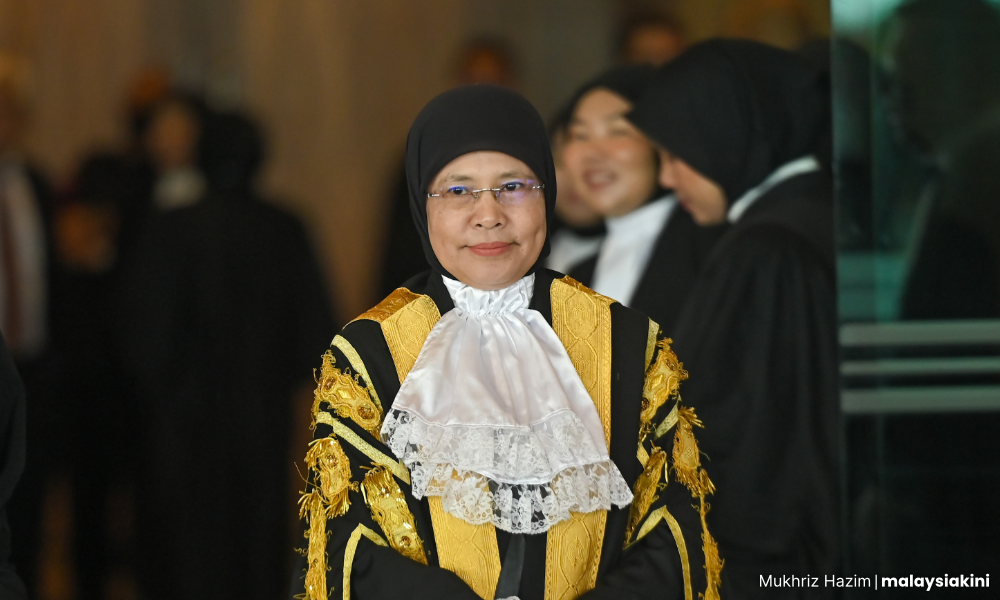
The court stated that the Federal Constitution only gives power to the authorities over “persons professing the religion of Islam”, not companies.
However, part of the fatwa was upheld with the court ruling that it was within the Selangor religious authorities’ purview to issue the fatwa declaring any individual who subscribed to liberalism and religious pluralism as deviant and contrary to Islamic teachings.
In welcoming the verdict, SIS described it as a victory not just for their organisation but also for Malaysians who believe in due process, democratic oversight, and the inclusive spirit of Islam.
In a statement, the organisation reiterated that its struggle was never an attack on Islam or its authorities, highlighting that it had instead undertaken a principled legal challenge on a process that lacked transparency, natural justice, and fairness.
‘Liberalism, pluralism deviant from Islam’
SIS had appealed to obtain an order from the Federal Court to challenge the fatwa issued 11 years ago, labelling it as deviant and misguided.
The fatwa, gazetted by the Selangor government on July 31, 2014, declared SIS and any individuals, organisations, and institutions subscribing to the ideologies of liberalism and pluralism as deviating from Islam.
The judicial review, filed in October 2014, was dismissed by the High Court in August 2020 and upheld by the Court of Appeal in March 2023.
In the judicial review, they named the Selangor State Fatwa Committee, Mais, and the Selangor government as respondents.
Govt to review
In a response statement, Minister in the Prime Minister’s Department (Religious Affairs) Na’im Mokhtar said that the Federal Court’s ruling will be “thoroughly reviewed”.
He stressed that the review is necessary to ensure the long-term stability of fatwa institutions.
“I would like to emphasise that fatwas continue to play a vital role in guiding Muslims on current issues which require syariah-based direction.
“Therefore, close cooperation between the judiciary, legislative institutions, and religious authorities is crucial to ensure that the role and credibility of the fatwa institution remain respected within the framework of our nation’s constitutional system,” Na’im added.
/file/publisher-c1a3f893382d2b2f8a9aa22a654d9c97/2025/03/2dfb99c2f9d4655e44cc6050cf36d808.jpg)
/file/publisher-c1a3f893382d2b2f8a9aa22a654d9c97/2025/06/e4772274861a26bd52e75e365e2445dd.jpg)
/file/publisher-c1a3f893382d2b2f8a9aa22a654d9c97/2025/06/5f73e6d7e0cb3c3998fe7a7e7007f3de.jpg)
/file/publisher-c1a3f893382d2b2f8a9aa22a654d9c97/2025/06/268610dfc9d4bc6b9fdc948a3cd4586c.jpg)
/file/publisher-c1a3f893382d2b2f8a9aa22a654d9c97/2025/06/1df3071b4ede038eb01e4f12f5526e29.jpg)


Looks like CJ contract may not be extended. DAP SHOULD NOT keep their elegant silence.
Are you sure you want to delete this comment?
This action cannot be undone.