


/file/publisher-c1a3f893382d2b2f8a9aa22a654d9c97/2020/04/e17823f9a56672a49c3249b69299ece9.jpg)

After apples and oranges, MOF says no tax on beauty services
The Finance Ministry announced today that, after carefully considering public sentiment, it has decided not to proceed with the proposed expansion of the sales and services tax (SST) to beauty services such as manicures and pedicures, facial services, and barbers and hairdressers.
The ministry said all revisions to the expanded SST were made after taking into account feedback from the public and industry.
“Since the announcement on June 9, 2025 regarding the...
The Finance Ministry announced today that, after carefully considering public sentiment, it has decided not to proceed with the proposed expansion of the sales and services tax (SST) to beauty services such as manicures and pedicures, facial services, and barbers and hairdressers.
The ministry said all revisions to the expanded SST were made after taking into account feedback from the public and industry.
“Since the announcement on June 9, 2025 regarding the revision of the SST, the Madani government has closely followed feedback received from the rakyat and engaged with industry on the proposed expansion of the SST.”
In addition, the ministry also engaged a number of backbenchers yesterday as part of its efforts to understand feedback from the grassroots, it said in a statement today.
Tax exemption for select imported fruits
Prime Minister and Finance Minister Anwar Ibrahim, after much consideration, has agreed to exempt imported apples, oranges, mandarin oranges and dates from SST.
The ministry reiterated that the government has not imposed SST on daily essential goods in order to mitigate pressure on the cost of living for the majority of Malaysians.
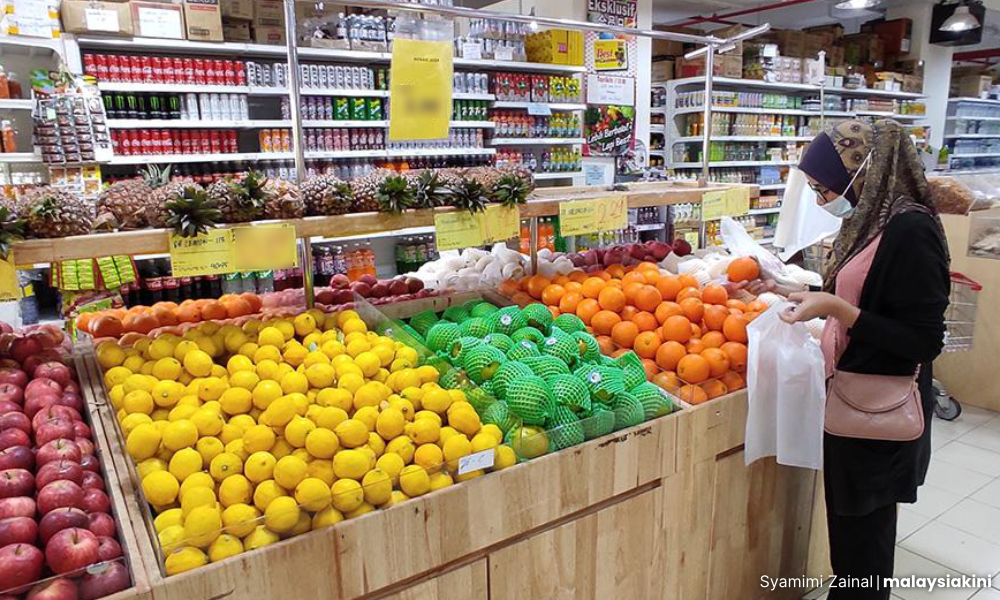
These tax-exempted essential goods, whether locally produced or imported, include rice, chicken, beef, vegetables and eggs.
Local fish varieties, including selar, tongkol, cencaru, and sardines, whether frozen, chilled or fresh, will also continue to be exempt from SST.
Higher annual sales threshold for SST
To reduce the number of small businesses affected by the revision of SST, the prime minister has also decided to increase the registration threshold from RM500,000 to RM1 million for leasing or rental and financial services.
Additionally, the threshold for businesses to be subject to the SST on rental services has been increased, from RM500,000 to RM1 million in total annual sales.
This means that only businesses with sales exceeding RM1 million will be required to pay the SST on rental services, providing relief to more micro, small and medium enterprises (MSMEs), it said.
The ministry calls on all parties to make responsible and informed statements on the SST.
READ MORE: KINIGUIDE | GST vs SST: Is one better than the other?
The public is urged to refer to the public announcements, infographics, subsidiary legislation, general rulings, guidelines and frequently asked questions (FAQs) issued via the official communication channels of the ministry and the Customs Department.
Members of the public and businesses may also call the SST Call Centre at the Customs Department.
Cannot be cultivated in M’sia
In a related development, Treasury secretary-general Johan Mahmood Merican said apples and oranges are exempted from the expanded SST as these fruits cannot be cultivated in Malaysia and are widely consumed by the public.
He said apples and oranges hold a significant place on dining tables during festive seasons such as Chinese New Year and Hari Raya, reflecting their role as daily essentials despite being imported.
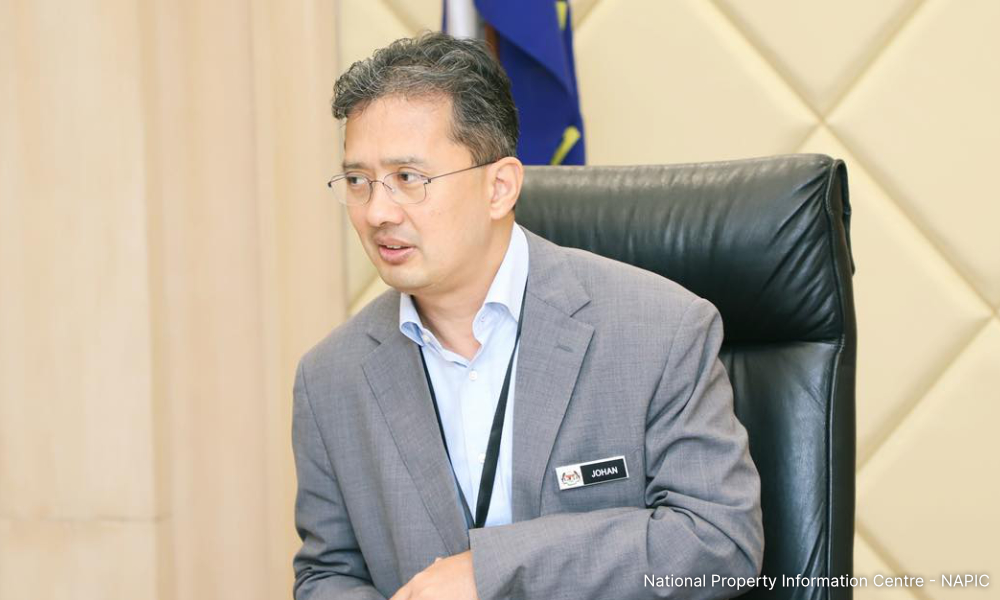
“These fruits cannot be produced locally due to our climate, but they are part of daily consumption for many Malaysians,” he said during a Finance Ministry TikTok Live session titled “SST Naik, Semua Harga Pun Naik?” yesterday.
Johan explained that while certain imported fruits such as strawberries, blueberries and avocados will remain taxable under the expanded SST, the exemption for apples and oranges is intended to ease the financial burden on consumers, given their high consumption among Malaysians.
“We want to encourage the consumption of local fruits, but at the same time, we recognise that apples and oranges are important in people’s daily lives,” he said.
He added that local fruits, including the widely consumed pisang mas, are not subject to SST, ensuring price stability for consumers.
He said 90 percent of bananas consumed in Malaysia are locally sourced, while only 10 percent are imported.
“Supporting local produce helps the economy and ensures affordability,” he said, noting that the price of popular snacks like pisang goreng will not be affected under the expanded tax scope unless imported bananas are used.
Zero tax on gold bars, jewellery
Johan said the government will maintain a zero tax rate on gold bars and jewellery, acknowledging their cultural importance and role in the local economy.
“Gold is often used within communities for savings, as collateral for loans, and as blessings during weddings and childbirth.
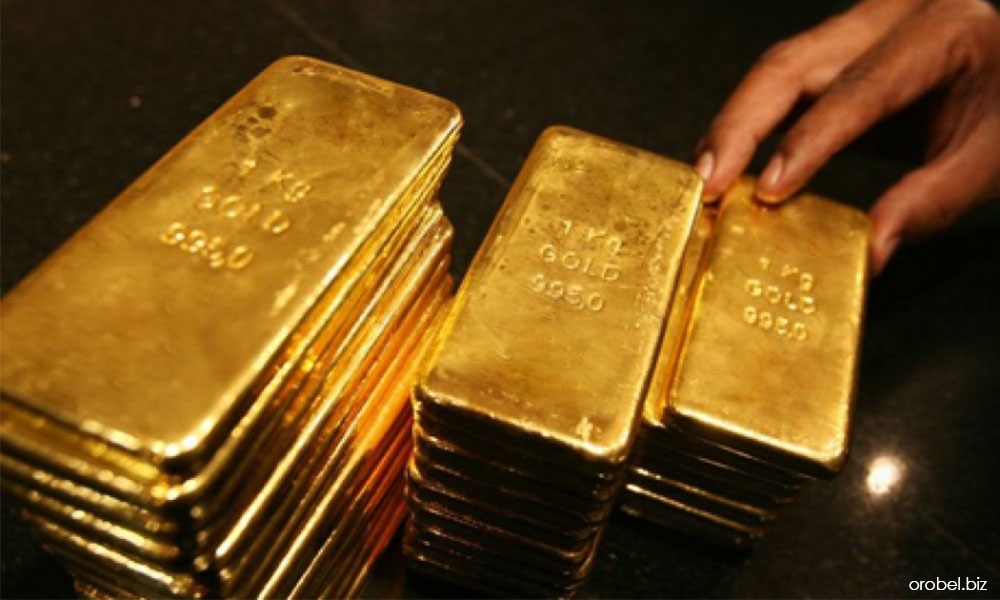
“Therefore, we have decided to maintain a zero tax rate due to its importance in the community and its role in the economy,” he said.
Johan said the government aims to generate an additional RM10 billion in revenue from SST collections.
“The government has opted to retain the SST instead of reintroducing the goods and services tax, as SST imposes a lighter burden on consumers,” he said.
- Bernama
/file/publisher-c1a3f893382d2b2f8a9aa22a654d9c97/2025/06/cd4eda76064c4b26209403a8fe84e3ec.png)
/file/publisher-c1a3f893382d2b2f8a9aa22a654d9c97/2025/06/22d5cb94fe2ae9537189113387168738.jpg)
/file/publisher-c1a3f893382d2b2f8a9aa22a654d9c97/2025/06/1bb7d8758b53498aee47426cddad6480.jpg)
/file/publisher-c1a3f893382d2b2f8a9aa22a654d9c97/2025/04/8b4a270d81c871442fefd06c0d6d9103.jpg)
/file/publisher-c1a3f893382d2b2f8a9aa22a654d9c97/2025/04/83bd518dccf25b85f686d29028cb770f.jpg)
/file/publisher-c1a3f893382d2b2f8a9aa22a654d9c97/2023/10/38f4dba2caca0e1c83e0b1cd4030caaf.jpg)


Report this comment
Are you sure you want to delete this comment?
This action cannot be undone.