


/file/publisher-c1a3f893382d2b2f8a9aa22a654d9c97/2021/07/6dc88843afc8617ff248b0bbce72811c.jpg)

Private healthcare groups warn SST can harm access, call for exemptions
A coalition of private healthcare associations has warned that recent revisions to the sales and services tax (SST) are insufficient to protect providers and the public from the rising cost of care.
The groups raised concerns over the impact of the eight percent SST on commercial rentals, the six percent SST on private healthcare services for foreign patients, and the upcoming electricity tariff hike - all set to take effect tomorrow.
Summary
Private healthcare groups warn SST hikes on rentals and services will increase costs and pose several risks.
Associations argue the new RM1 million tax registration threshold is unfair in healthcare, as providers exceed it due to essential, continuous services - not high profits.
They urge the government to exempt private primary care, especially GP clinics, from SST on rentals and foreign patient services, stressing that taxing essential care threatens health equity for low-wage migrant workers.
A coalition of private healthcare associations has warned that recent revisions to the sales and services tax (SST) are insufficient to protect providers and the public from the rising cost of care.
The groups raised concerns over the impact of the eight percent SST on commercial rentals, the six percent SST on private healthcare services for foreign patients, and the upcoming electricity tariff hike - all set to take effect tomorrow.
“General practitioner clinics and community pharmacies play a critical role in maintaining public health, serving as the first point of care for millions, including vulnerable populations.
“We urge the government to reconsider the application of SST on rental and services in the primary care sector to prevent unintended consequences that may compromise access, continuity of care and the nation’s broader public health objectives,” the six associations said in a joint statement.
The statement was issued by the Malaysian Medical Association, Malaysian Muslim Doctors Association, Medical Practitioners Coalition Association of Malaysia, Malaysian Association for Advancement of Functional & Interdisciplinary Medicine, Malaysian Community Pharmacy Guild, and the Private Physiotherapy Clinics Owners of Malaysia.
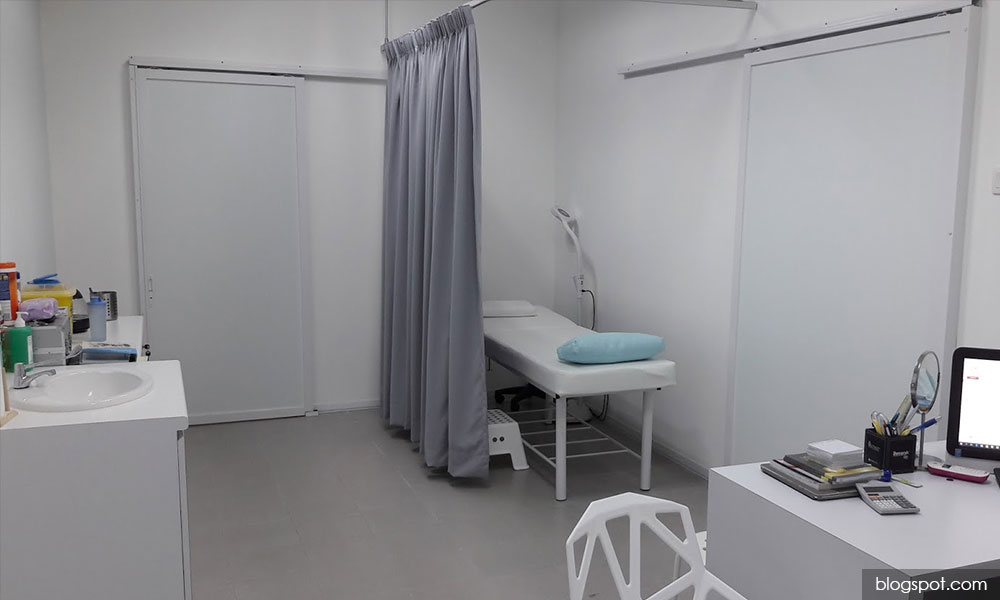
The associations stressed that healthcare providers have limited ability to absorb or pass on escalating costs, with tight margins due to stagnant consultation fees regulated under the Private Healthcare Facilities and Services Act.
While welcoming Prime Minister Anwar Ibrahim’s announcement of revisions based on public feedback since the initial announcement on June 9, they said rental remains one of the largest fixed operating costs for clinics, pharmacies, and health facilities, especially in urban areas with high property prices.
“This situation is further compounded by the upcoming revision of electricity tariffs, set to take effect on July 1, which will raise another key operational expense.
“The combination of rental SST and increased utility charges threatens the sustainability of many private healthcare practices,” the associations cautioned.
They warned that unchecked cost pressures could lead to service reductions, downsizing, job losses, and the eventual closure of smaller healthcare practices.
More concerns raised
On Friday, Anwar, who is also the finance minister, announced that the government had raised the service tax registration threshold from RM500,000 to RM1 million for leasing, rental, and financial services, aiming to ease the compliance burden on micro and small businesses.
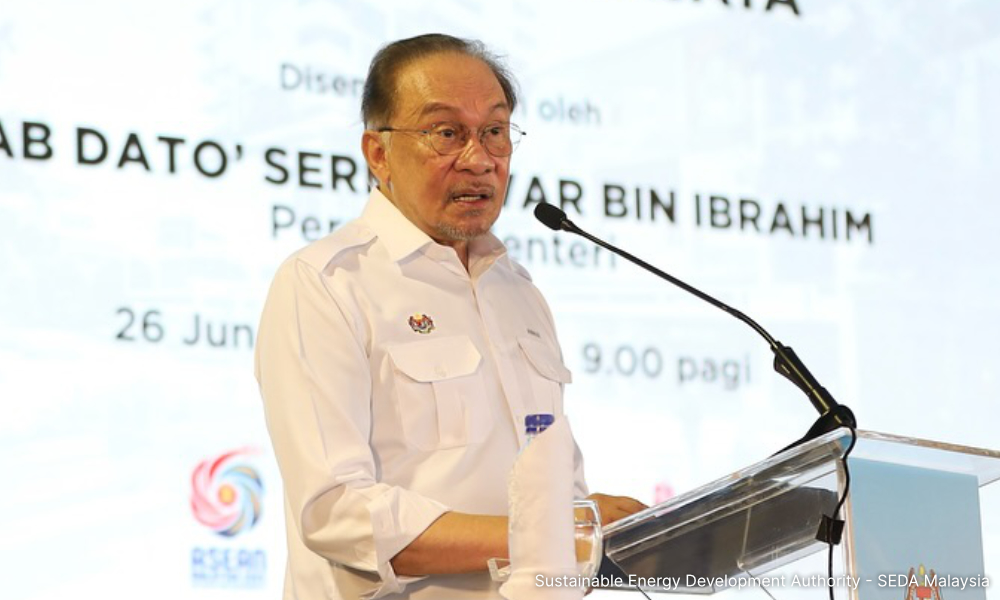
However, the associations argued that assuming exceeding the RM1 million threshold equates to high profitability is misleading in healthcare.
“Providers often surpass this figure due to the essential and continuous nature of the services they deliver - not because of large margins.
“This one-size-fits-all approach to taxation is inherently unfair, as it penalises healthcare operators for fulfilling public health needs,” they said.
The groups also raised concerns that the six percent SST on foreign patients for operators with annual revenue above RM1.5 million could compromise care for mostly low-wage migrant workers in dirty, dangerous, and difficult jobs.
“These individuals depend on GP clinics for affordable, essential care.
“Taxing these services raises humanitarian and public health concerns, particularly when it penalises those least able to afford care,” they added.
“We urge the government to exempt the private primary care sector - especially GP clinics - from the six percent SST on private healthcare services provided to foreign patients, as they play a critical frontline role in ensuring accessible and continuous care.
“This, if not reformed, risks becoming a step backwards for health equity,” they said.
Yesterday, the Federation of Private Medical Practitioners’ Association Malaysia also reportedly called for an exemption from SST on private healthcare services for foreign patients, echoing concerns about SST on commercial property rentals.
/file/publisher-c1a3f893382d2b2f8a9aa22a654d9c97/2025/06/64ce91719d4091168ee465b67bd73da2.jpg)
/file/publisher-c1a3f893382d2b2f8a9aa22a654d9c97/2025/01/305e4a843e580a1235a4a62379c579eb.jpg)
/file/publisher-c1a3f893382d2b2f8a9aa22a654d9c97/2025/06/b91b2e6acce3e2a0cb756ba68e219295.jpg)
/file/publisher-c1a3f893382d2b2f8a9aa22a654d9c97/2025/06/92acb1c0e0f1571cca8ecc48e3abb978.jpg)
/file/publisher-c1a3f893382d2b2f8a9aa22a654d9c97/2025/06/2879d3cfe4e075f18a4e31ef7d433827.jpg)
/file/publisher-c1a3f893382d2b2f8a9aa22a654d9c97/2023/04/11a3aad63d56652d24fee1453a0abfd1.jpg)


Report this comment
Are you sure you want to delete this comment?
This action cannot be undone.