


/file/publisher-c1a3f893382d2b2f8a9aa22a654d9c97/2019/07/a6f136e52b5f9f4ae4e3d4f98de11d94.jpg)

Authorities 'not up to mark' on law over AI child abuse content: Activists
While Malaysia’s laws already criminalise child sexual abuse material, including those generated using artificial intelligence (AI), a weak understanding among authorities is hampering enforcement, said children’s rights advocates.
According to Child Rights Innovation and Betterment (Crib) Foundation co-chairperson Srividhya Ganapathy, the Sexual Offences Against Children Act 2017 clearly covers child sexual abuse materials generated by AI under its broader definitions.
Summary
Child rights advocates say Malaysia’s laws already criminalise AI-generated child sexual abuse material, but enforcement is hampered by a lack of understanding among police, prosecutors and judges.
Crib Foundation’s Srividhya Ganapathy stresses that the law’s broad definitions cover non-realistic or AI-created images and don’t require proof of a real child, calling for urgent training for authorities.
Voice of the Children’s Sharmila Sekaran echoes concerns over poor grasp of the law and calls on judges to consult civil society when handling cases related to child sexual abuse.
While Malaysia’s laws already criminalise child sexual abuse material, including those generated using artificial intelligence (AI), a weak understanding among authorities is hampering enforcement, said children’s rights advocates.
According to Child Rights Innovation and Betterment (Crib) Foundation co-chairperson Srividhya Ganapathy, the Sexual Offences Against Children Act 2017 clearly covers child sexual abuse materials generated by AI under its broader definitions.
As such, she highlighted that regardless of how child sexual abuse materials are generated, the persons found accessing, exchanging or publishing such materials can be successfully prosecuted as long as the images realistically depict a person appearing to be a child engaged in sexually explicit conduct.
“(The definition of such materials under the law) was widely crafted to include images generated using AI and images which are not of an actual child.
“The law does not require any verification of ‘the authenticity and legitimacy of such materials’, or do these laws allow any loophole for ‘manipulated or falsified evidence’,” she told Malaysiakini.
The lawyer said this in responding to Deputy Home Minister Shamsul Anuar Nasarah’s assertion that the use of AI-generated deepfake videos by perpetrators of child sexual abuse material has posed challenges to authorities.
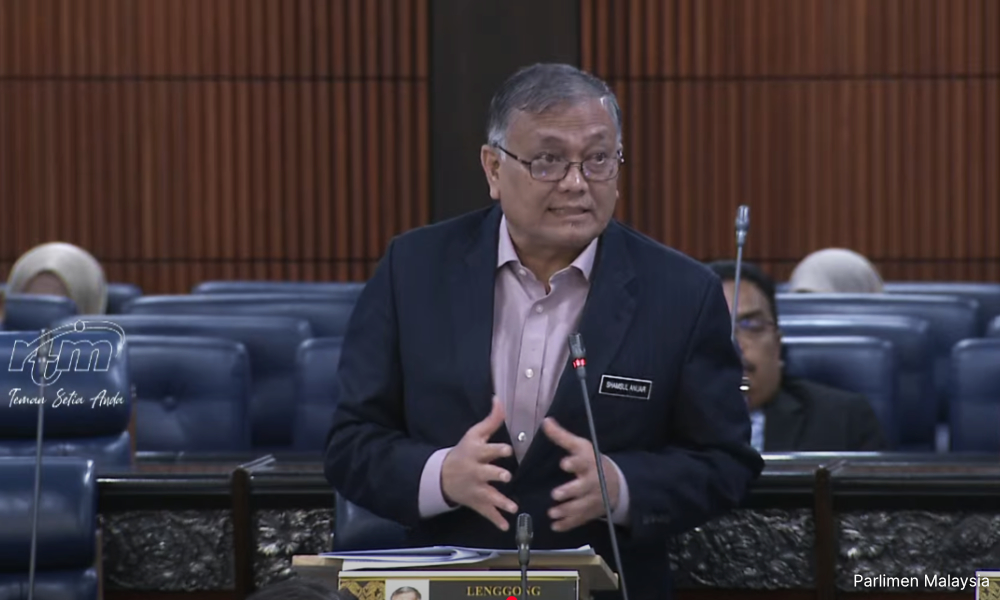
Addressing the Dewan Rakyat yesterday, the deputy minister said the use of deepfakes presents major hurdles in court, as verifying the authenticity of such material is difficult, and manipulated content can undermine its evidential value during trials.
Sustainable training programmes needed
Commenting on the matter, Srividhya asserted that there is a lack of understanding regarding the Sexual Offences Against Children Act - especially among frontline police personnel and prosecution officers.
“Sustainable training programmes targeted at the successful prosecution of child sexual offences urgently need to be carried out.
“The government is aware of these challenges and is trying to rectify (the matter) through comprehensive training, (with) the Crib Foundation having engaged the Prime Minister’s Office to collaborate on developing relevant training programmes,” she added.
She also urged the government to set aside specific budgets to ensure that every authority dealing with child sexual abuse material is equipped with the essential knowledge, skills and understanding to enable successful prosecutions.
Voice of the Children co-founder Sharmila Sekaran said it is “worrying” if law enforcers are still looking for or requiring an actual child victim in their attempts to crack down on child predators.
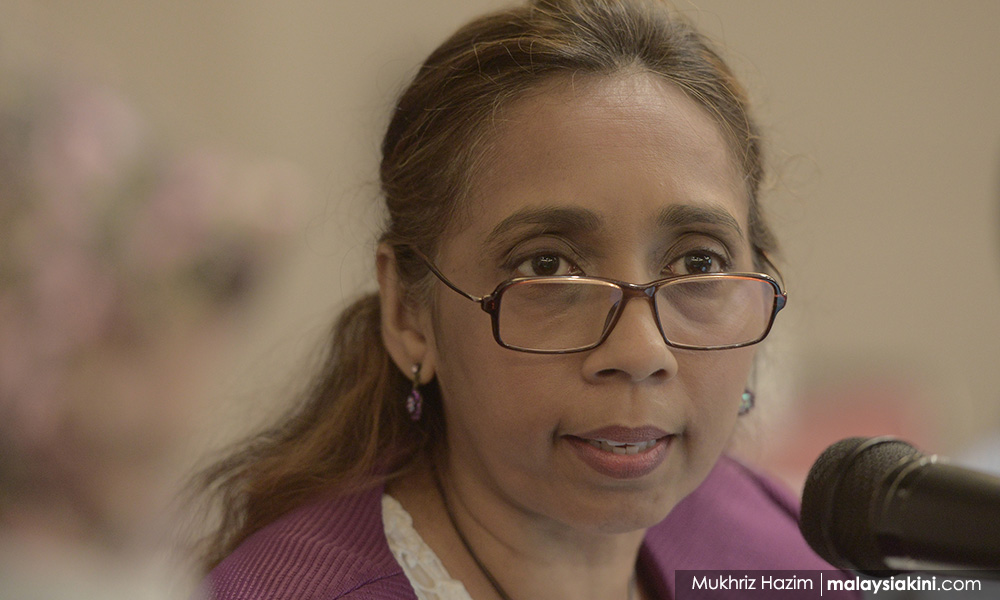
She pointed out that besides AI-generated images, certain graphics in comic books or cartoon animations could also fall under the Sexual Offences Against Children Act if they are found to be depicting sexual actions against children.
Arguing that it is sufficient grounds for investigations to be initiated if a material is perceived to have the intent of portraying the violation of a child, Sharmila echoed grievances on the authorities’ supposed poor grasp of the Act.
“There is a serious lack of action and enforcement, as well as judicial knowledge of the offences being committed when it comes to child sexual abuse materials.
“At every level, the people who hold authority and power do not seem to be up to mark when it comes to this issue. Our enforcement officers - from the police to prosecutors - must have more knowledge, awareness, training and understanding,” she said when contacted.
She also strongly suggested that judges consult with civil society organisations well-versed on the matter when they are faced with court cases involving child sexual abuse, noting that the judiciary is empowered to do so to deliver a fair judgement.
/file/publisher-c1a3f893382d2b2f8a9aa22a654d9c97/2025/02/f3f603f2da13b9419b6c362ee6c4af60.jpg)
/file/publisher-c1a3f893382d2b2f8a9aa22a654d9c97/2021/05/52973c11edc72f39061d739e47b777fc.jpg)
/file/publisher-c1a3f893382d2b2f8a9aa22a654d9c97/2025/06/440d3a03c95a31e5a1b2b42b4253a230.jpg)
/file/publisher-c1a3f893382d2b2f8a9aa22a654d9c97/2019/11/64f0b0fbb5ee34f12b79b87494dd7e23.jpg)
/file/publisher-c1a3f893382d2b2f8a9aa22a654d9c97/2019/07/a6f136e52b5f9f4ae4e3d4f98de11d94.jpg)


Report this comment
Are you sure you want to delete this comment?
This action cannot be undone.