


/file/publisher-c1a3f893382d2b2f8a9aa22a654d9c97/2025/08/22ea6c20e5e9629407e0ac1b77f6751a.jpg)

Miti seeks clarification over Trump's proposed 100pct chip tariff
PARLIAMENT | The government will hold discussions with several US companies under the American Malaysian Chamber of Commerce after US President Donald Trump recently proposed a 100 percent tariff on imported semiconductor chips.
Investment, Trade and Industry Minister Tengku Zafrul Abdul Aziz highlighted that Trump had implied the tariff would be imposed on companies that are not building in the US or in the process of doing so.
Summary
Investment, Trade and Industry Minister Tengku Zafrul Abdul Aziz says Malaysia is engaging US officials and American firms to clarify US President Donald Trump’s proposed 100 percent tariff on semiconductor imports.
Malaysia’s chip exports to the US - worth RM60.6b in 2024 - are still exempted, but risk losing competitiveness if new tariffs kick in.
Miti urges policy stability to protect Malaysia’s role in the global semiconductor supply chain, which supports 72,000 jobs and 7,200 local suppliers.
PARLIAMENT | The government will hold discussions with several US companies under the American Malaysian Chamber of Commerce after US President Donald Trump recently proposed a 100 percent tariff on imported semiconductor chips.
Investment, Trade and Industry Minister Tengku Zafrul Abdul Aziz highlighted that Trump had implied the tariff would be imposed on companies that are not building in the US or in the process of doing so.
“(However), many companies based in Malaysia that export to the US also have facilities in the US - so we want to seek clarity from the US administration on what exactly it means by ‘companies that need to reinvest or invest more heavily in the US’.
“For example, companies like Intel or Texas Instruments - they have many suppliers among our local SMEs (small and medium enterprises).
“The potential impact (of the tariffs) on Malaysia’s semiconductor supply chain is substantial (so) we need more clarity from the US. Even the US companies based in Malaysia are seeking answers,” he added during the Minister Question Time in Parliament today.
The minister said this in response to a query from Lim Guan Eng (Harapan-Bagan).
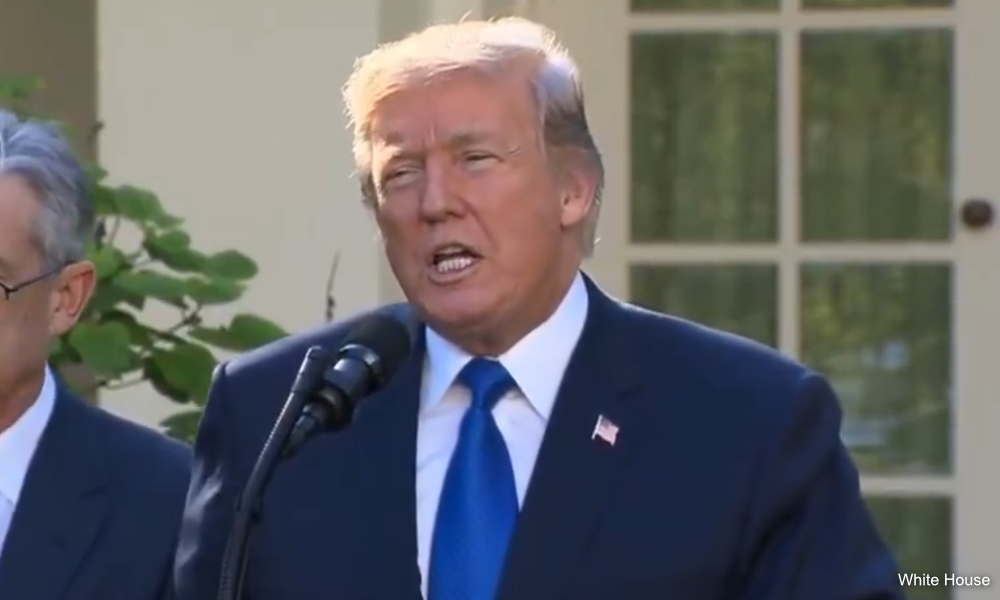
Earlier today, it was reported that Trump had said the new tariff rate would apply to “all chips and semiconductors coming into the US”, but would not apply to firms that had made a commitment to manufacture in the US.
‘We will fight for M’sian exporters’
Noting that the move, if realised, will have major implications, especially for key exporting countries like Malaysia, Zafrul said his ministry is in constant contact with the US Trade Representative and Department of Commerce to ensure policy clarity and stability.
“We’ve already reached out this morning to seek official clarification, though there is, of course, a time difference,” he said.
He added that while Malaysia’s semiconductor exports to the US remain exempted from reciprocal tariffs for now, the exemption is “subject to review and could change at any time, depending on decisions by (US) authorities”.
“We will fight for the interests of Malaysian exporters so that any policy changes or exemption criteria can be communicated and negotiated in advance, and to ensure Malaysia’s position as a strategic trading partner remains protected,” Zafrul stressed.
Billions involved
He also said that as of 2024, Malaysia’s total exports of electrical and electronics (E&E) goods to the US reached RM119 billion, roughly 20 percent of our total E&E exports.
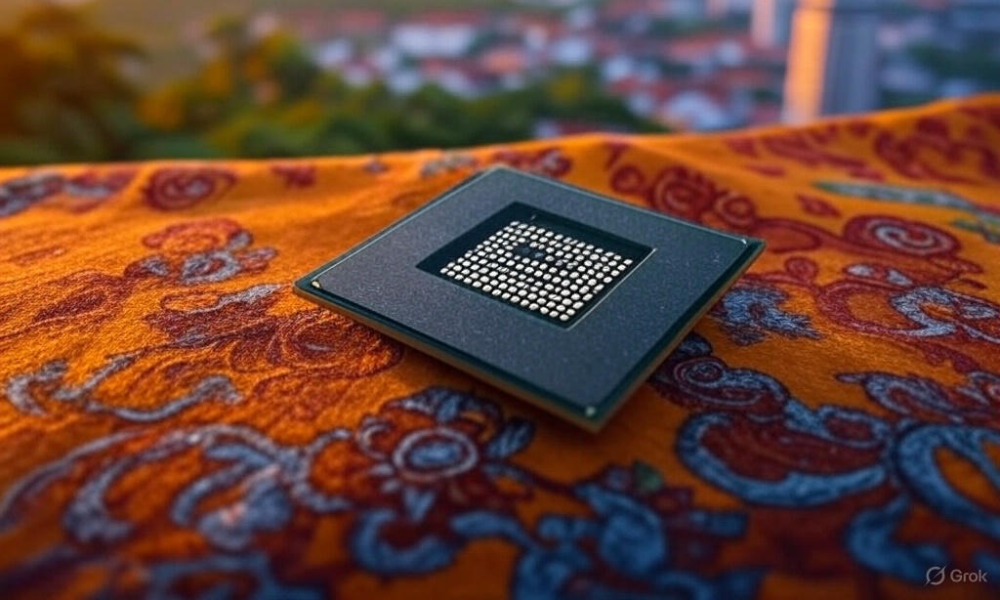
Semiconductor exports alone, he said, accounted for about RM60.6 billion, or around 20 percent, of Malaysia’s total semiconductor exports.
Emphasising that the industry involves around 72,000 skilled workers and is supported by 7,200 local suppliers, many of which are SMEs, Zafrul said benefits from the E&E and semiconductor industries spill over into other sectors such as automotive, medical devices, renewable energy, digital, and aerospace.
US investigation
The minister also referenced an investigation initiated by the US Department of Commerce in April under Section 232 of the Trade Expansion Act 1962, which sought to investigate the effects of a specific import on US national security.
“The investigation was initially expected to conclude by the end of December, but it now appears to be fast-tracked… its findings will inform next steps, including the possible imposition of higher tariffs.
“Should semiconductors fall under Section 232, or if policy changes are introduced, the impact on Malaysia will be significant. We risk losing a key export market in the US if our products become less competitive due to these new tariffs,” Zafrul said.
Previously, a new 19 percent tariff rate was imposed on Malaysia, a six percentage point reduction from the 25 percent reciprocal tariff announced in July.
Zafrul had earlier said the agreement, effective Aug 1, was achieved after “months of intense but thorough as well as methodical negotiations” without Malaysia conceding on its “red lines” in key areas.
Reporting by Qistina Nadia Dzulqarnain, Alyaa Alhadjri, B Nantha Kumar
/file/publisher-c1a3f893382d2b2f8a9aa22a654d9c97/2025/01/75f819d7f3b6a52acd7792fdadd1fe25.jpg)
/file/publisher-c1a3f893382d2b2f8a9aa22a654d9c97/2025/07/cdadf4b622f1623945cc6005f9217663.jpg)
/file/publisher-c1a3f893382d2b2f8a9aa22a654d9c97/2021/05/03bc306b2c395e05daad2659f274fd3b.jpg)
/file/publisher-c1a3f893382d2b2f8a9aa22a654d9c97/2023/03/bd44908992df81251725d71ef3e01530.jpg)


Are you sure you want to delete this comment?
This action cannot be undone.