


/file/publisher-c1a3f893382d2b2f8a9aa22a654d9c97/2024/10/017e6f58b23f483c54468906eae940c4.jpg)

Binding pacts key to ending migrant worker exploitation, says ex-MP
Former Klang MP Charles Santiago has renewed calls for Malaysia to overhaul its approach to managing migrant workers, warning that failure to tackle entrenched corruption in the sector could further damage the country’s international standing.
“Binding agreements are the only way to dismantle corruption, close gaps that cartels exploit, and guarantee migrant workers’ dignity, wages and remedies.
Former Klang MP Charles Santiago has renewed calls for Malaysia to overhaul its approach to managing migrant workers, warning that failure to tackle entrenched corruption in the sector could further damage the country’s international standing.
“Binding agreements are the only way to dismantle corruption, close gaps that cartels exploit, and guarantee migrant workers’ dignity, wages and remedies.
“Without this, Malaysia and the region risk more sanctions, lost contracts and reputational damage,” Charles said in a statement today.
Charles, who spoke at a recent Regional Consultation on Forced Labour, said participants highlighted how corruption was found at every step of the labour migration process.
“From inflated quotas handed to rent-seeking agencies, to political-business nexuses that drive demand - workers are pushed into debt and modern slavery,” he said.
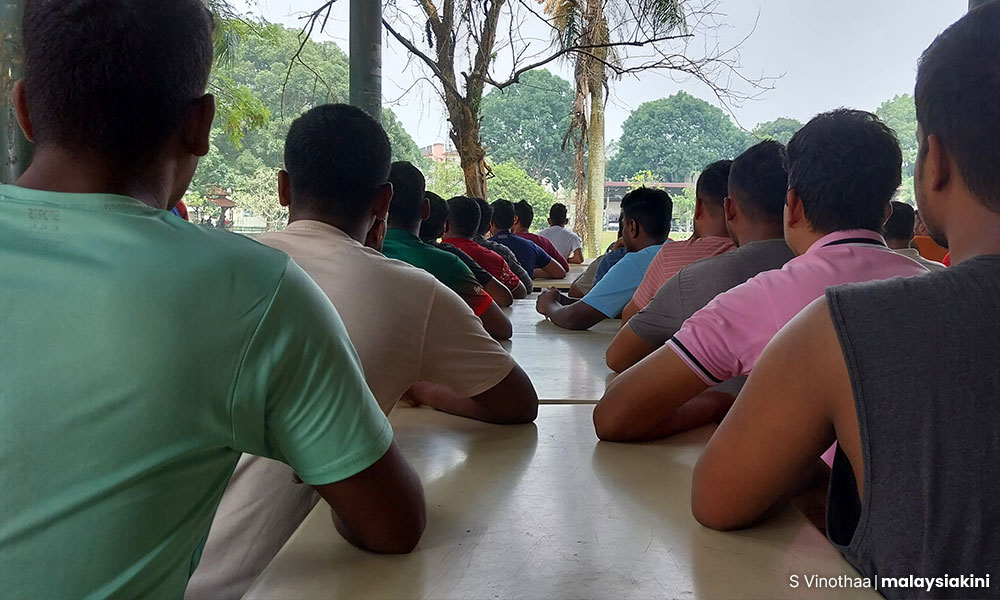
According to him, the system was not merely dysfunctional but deliberately manufactured to benefit “powerful elites and cronies”.
“This has resulted in cases of false demand, overpriced recruitment, confiscated passports, non-payment of wages and overtime,” added the Asean Parliamentarians for Human Rights co-chair.
Malaysia has long faced criticism over its treatment of migrant workers, particularly in the plantation, construction, and manufacturing sectors.
Reports of forced labour have led to import bans by countries such as the United States, affecting major glove manufacturers and palm oil exporters.
MOUs failed
Charles said the recurring abuses pointed to systemic failures in existing governance and enforcement. He argued that bilateral memorandums of understanding (MOUs) signed between governments had failed to provide meaningful protection for workers.
“MOUs have failed. They are not enforceable and are too easily ignored or manipulated. What we need is a binding labour migration agreement that enforces rights and accountability across borders for workers, businesses, recruitment agents and governments,” he stressed.
He further called on Prime Minister Anwar Ibrahim and Home Minister Saifuddin Nasution Ismail to take leadership at the regional level.

“Malaysia cannot continue with piecemeal reforms while depending on cheap foreign labour. We must push for a rights-based framework that binds all stakeholders - or we will remain vulnerable to scandals and global censure,” Charles said.
Civil society groups have echoed similar concerns, warning that unless systemic corruption is dismantled, migrant workers will remain trapped in cycles of debt and exploitation, while Malaysia continues to bear the brunt of reputational damage in global supply chains.
/file/publisher-c1a3f893382d2b2f8a9aa22a654d9c97/2023/11/70b2aad32074d1e8455ecb2cd9925c57.jpg)
/file/publisher-c1a3f893382d2b2f8a9aa22a654d9c97/2025/02/5c5efcccf711e3d25ce8083646bb6c3c.jpg)
/file/publisher-c1a3f893382d2b2f8a9aa22a654d9c97/2024/11/a50426a391846c6f6dd8d3237ec08099.jpg)
/file/publisher-c1a3f893382d2b2f8a9aa22a654d9c97/2022/03/09627429ab1448393285c01bf552ac2a.jpg)
/file/publisher-c1a3f893382d2b2f8a9aa22a654d9c97/2024/08/b10410c6223ec19ef2e98a6d8be0c636.jpg)


Are you sure you want to delete this comment?
This action cannot be undone.