


/file/publisher-c1a3f893382d2b2f8a9aa22a654d9c97/2022/03/09627429ab1448393285c01bf552ac2a.jpg)

Group warns migrant recruitment model may lead to 'modern slavery'
A migrant worker rights group has cautioned that Malaysia could become a hub for modern day slavery if systemic flaws in the recruitment of foreign workers are not urgently addressed.
Tenaganita executive director Glorene Das urged the government to dismantle the recruitment model and instead pursue binding bilateral labour agreements with all source countries.
Summary
Tenaganita urges government to replace its syndicate-driven foreign worker recruitment model with enforceable, rights-based bilateral labour agreements developed through inclusive consultation.
Glorene Das criticises the existing non-binding MOUs for enabling politically connected agencies to monopolise recruitment.
A migrant worker rights group has cautioned that Malaysia could become a hub for modern day slavery if systemic flaws in the recruitment of foreign workers are not urgently addressed.
Tenaganita executive director Glorene Das urged the government to dismantle the recruitment model and instead pursue binding bilateral labour agreements with all source countries.
"The existing memoranda of understanding (MOUs) signed with Bangladesh and other source countries are non-binding and lack enforceability.
"Crafted without meaningful consultation with civil society, trade unions, or migrant worker representatives, they have opened the door for a handful of politically connected agencies to monopolise recruitment under the guise of legality.
"These syndicates are often awarded quotas without proper due diligence, even when they have no actual business operations or financial capacity," she said in a statement today.
She explained that the bilateral agreement system she touted must be rights-based, enforceable, and developed through multi-stakeholder consultations.
They must also have clear provisions on ethical recruitment, job guarantees, grievance redress mechanisms, wage protection, and oversight structures, she added.
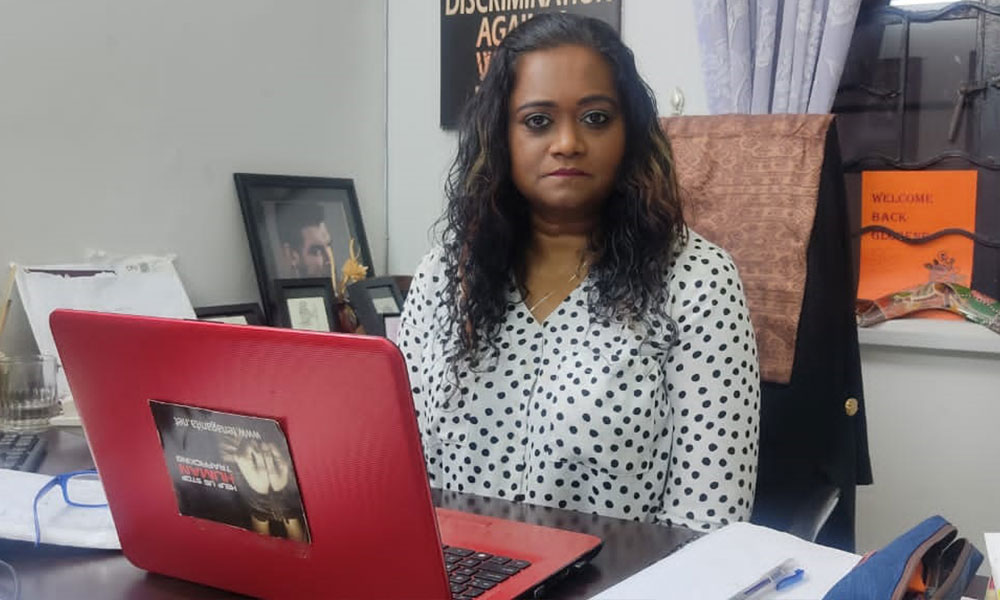
Glorene said any new system, including the suggested bilateral agreement system, must be rights-based, enforceable, and developed through multi-stakeholder consultations.
She added that such agreements must include clear provisions on ethical recruitment, job guarantees, grievance redress mechanisms, wage protection, and oversight structures.
On July 3, a Bangladeshi government adviser also raised concerns about the recruitment arrangement with Malaysia.
According to The Daily Star, Expatriates Welfare and Overseas Employment Ministry adviser Asif Nazrul called for the agreement to be reviewed, saying it formalises a syndicate system many want abolished.
“We can’t force Malaysia to change it (the agreement). If they refuse, we have two options: follow their terms and send workers through 20, 50, or 100 agencies, or stop sending workers altogether,” he was quoted as saying by the Bangladesh news site.
He added that sending workers would expose him to accusations of being complicit in the syndicate, while halting recruitment would affect tens of thousands of workers.
Criminal accountability
Glorene also called for criminal accountability for those involved in the syndicate model.
"Between January 2022 and September 2024 alone, over 351,000 Bangladeshi workers entered Malaysia legally with valid documentation, but many were left without employment, forced to survive in squalid conditions, and exposed to arrest and deportation," she claimed.
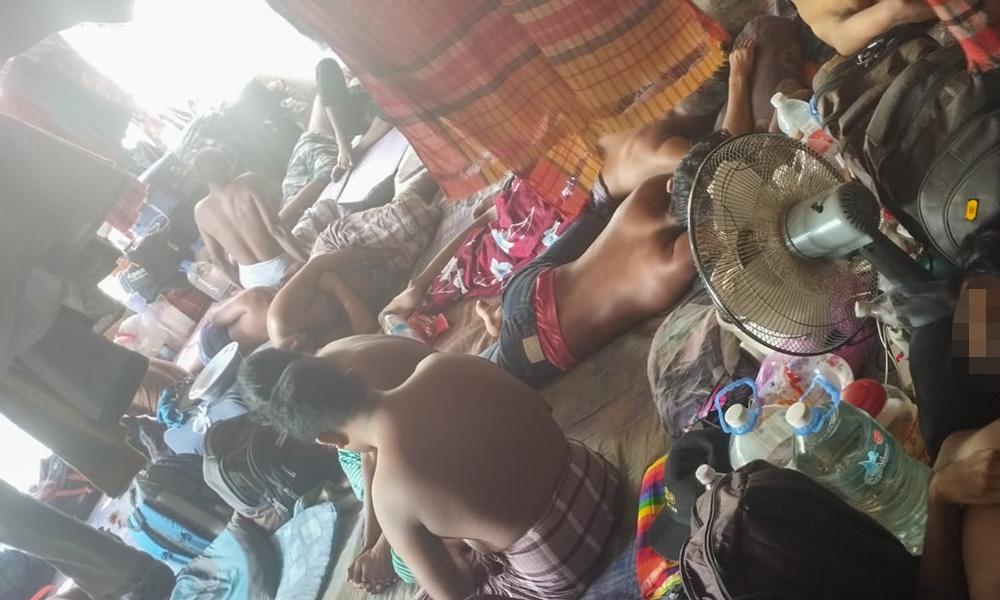
She cited a recent court case in which a group of Bangladeshi workers sued the government and a recruitment company after allegedly being left jobless despite paying tens of thousands of ringgit each in fees.
"This is not an isolated issue. It is a systemic crisis, perpetuated by vested political and financial interests and enabled by the lack of political will, transparency, and enforcement.
"Until now, syndicate-styled recruitment remains the norm, prioritising profits over the rights and dignity of migrant workers," she said.
M’sia-Bangladesh deal
The Human Resources Ministry signed the agreement with Bangladesh in December 2021 after the previous deal expired in February 2020, with the new terms set to remain in force until December 2026.
Before signing the new agreement, both countries stated their intention to eliminate the “syndicate” system formed by a select list of agencies handling the recruitment process - a practice linked to rising costs and various irregularities.
However, concerns were raised by the Bangladesh Association of International Recruiting Agencies, which demanded fair opportunity for all of its approximately 1,600 member agencies to participate in the recruitment process for Malaysia.
Under the agreement, Malaysia proposed a list of 25 Bangladeshi recruitment agents and 250 sub-agents. The proposal, however, was reportedly rejected by Imran Ahmed, the then-minister for overseas employment and migrant welfare.
On Oct 23 last year, Bangladeshi police arrested a former minister linked to a large-scale investigation into labour agencies sending workers to Malaysia.
Dhaka police reportedly confirmed Imran’s arrest but did not disclose the reason.
/file/publisher-c1a3f893382d2b2f8a9aa22a654d9c97/2024/08/b10410c6223ec19ef2e98a6d8be0c636.jpg)
/file/publisher-c1a3f893382d2b2f8a9aa22a654d9c97/2024/10/a957c9e11ad58c24e691e9250faf5796.jpg)
/file/publisher-c1a3f893382d2b2f8a9aa22a654d9c97/2024/11/a50426a391846c6f6dd8d3237ec08099.jpg)
/file/publisher-c1a3f893382d2b2f8a9aa22a654d9c97/2021/03/8662cdd7ce355cf246215c238b415c53.jpg)
/file/publisher-c1a3f893382d2b2f8a9aa22a654d9c97/2025/06/1db558a308e4cdd0067e66af535f8e07.jpg)


Are you sure you want to delete this comment?
This action cannot be undone.