


/file/publisher-c1a3f893382d2b2f8a9aa22a654d9c97/2024/10/5f974941cc2ff66676393e6f77c6e03a.jpg)

Malaysia among 60 nations hit by new 10pct US tariff
Malaysia is among 60 countries to be hit by new import tariffs from the United States ranging from 10 to 12.5 percent - scheduled to take effect today.
The US trade representative’s office said that the new levies are being imposed on 60 trading partners “for their failure to impose and effectively enforce a prohibition on the importation of goods produced with forced labour”.
Malaysia is among 60 countries to be hit by new import tariffs from the United States ranging from 10 to 12.5 percent - scheduled to take effect today.
The US trade representative’s office said that the new levies are being imposed on 60 trading partners “for their failure to impose and effectively enforce a prohibition on the importation of goods produced with forced labour”.
“Today, Ambassador Jamieson Greer is taking final action, at President (Donald) Trump’s direction, under Section 301 of the Trade Act of 1974 by imposing tariffs on 60 economies,” the agency said, according to a statement posted on its website.
Besides Malaysia, countries which have been slapped with the 10 percent rate include Argentina, Bangladesh, Cambodia, Canada, Ecuador, El Salvador, Guatemala, Honduras, India, Indonesia, Jordan, Mexico, Pakistan, Sri Lanka, Trinidad and Tobago, and the United Kingdom.
“Ten percent is the appropriate rate of Section 301 duties for investigated economies that (i) impose a forced labor import prohibition; (ii) have committed to impose and enforce such a prohibition through an Agreement on Reciprocal Trade; or (iii) have imposed a partial regime with the effect of preventing the importation of certain forced labor goods,” the statement said regarding the above countries.
However, a Reuters analysis speculated that the new round of tariffs is part of the Trump administration’s strategy of overcoming a decision by the US Supreme Court that had struck down his earlier round of tariffs announced last year.
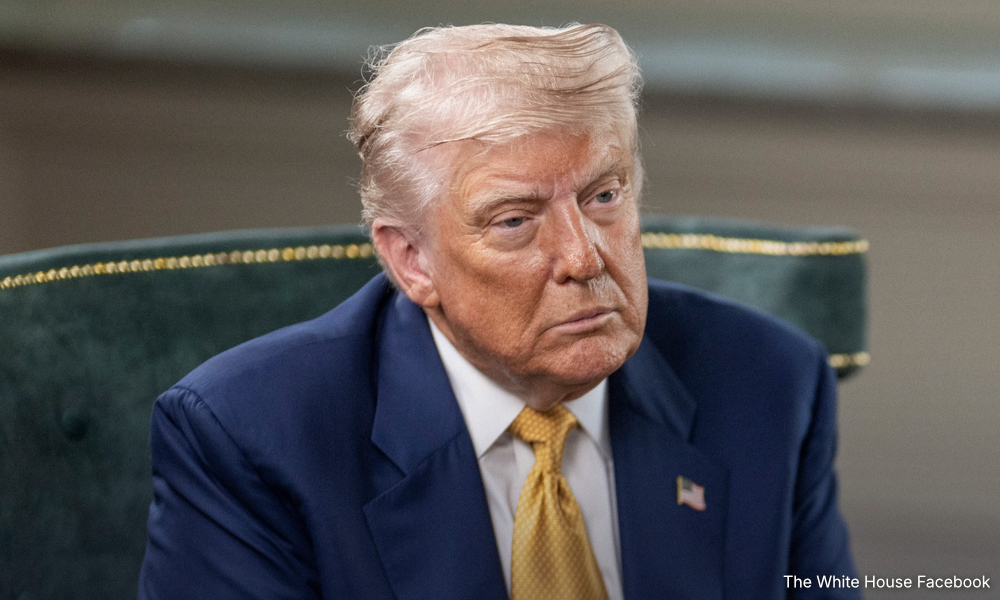
In retaliation for that decision in February, Trump had imposed a global 10 percent tariff for 150 days, which expires today. The new tariffs take effect as soon as the 150 days are up.
Former Klang MP Charles Santiago had previously warned that Malaysia risked exposing itself to these new tariffs if the Madani administration did not act on complaints of forced labour in the country.
Exemptions for certain products
Despite the flat 10 percent rate, the USTR also said that exemptions would be granted for certain products from Malaysia as well as Argentina, Bangladesh, Cambodia, Ecuador, El Salvador, the European Union, Guatemala, Indonesia, Jordan, Switzerland, Taiwan, or the UK.
The exemption is granted to “encourage these economies to fulfil commitments regarding forced labour import prohibitions or to enact and effectively enforce a forced labour import prohibition”.
Certain products that would be charged a 10 to 12.5 percent tariff include those from EU nations, Taiwan, Japan, South Korea, and Switzerland, the USTR said.
Other countries the USTR had investigated but which were not listed above will be charged a levy of 12.5 percent on their goods which are imported by the US, the statement said.
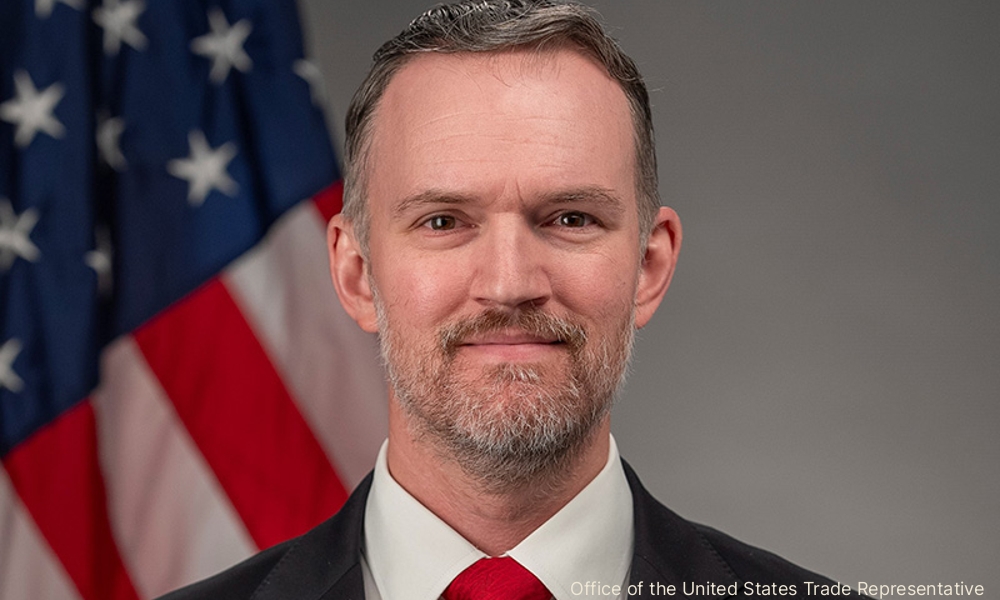
The USTR said the decision was reached after it completed its investigation of labour practices in these countries, which included “two rounds of public hearings, more than 2,100 public comments, and engagement with our trading partners to remedy these longstanding concerns.”
“President Trump recognises that decades of moral suasion have not eradicated forced labour from global supply chains,” Greer said in the statement.
“The US has had a forced labour import ban for nearly a century, and rigorously enforces it; it’s well past time for our trading partners to do the same,” Greer said.
/file/image/77267628_605.jpg)
/file/publisher-c1a3f893382d2b2f8a9aa22a654d9c97/2025/10/6d92d2846a3e53eca358c6b7e890a202.jpg)
/file/publisher-c1a3f893382d2b2f8a9aa22a654d9c97/2025/02/5fb497c31bd5621b91e2aa478a2a324b.jpg)
/file/publisher-c1a3f893382d2b2f8a9aa22a654d9c97/2025/01/addb0f8976281d9533114f2cc83b9e35.png)
/file/publisher-c1a3f893382d2b2f8a9aa22a654d9c97/2026/01/af0f8d278138185433755bab04a95c03.jpg)
/file/publisher-c1a3f893382d2b2f8a9aa22a654d9c97/2025/09/98efd8d6dc8a7783a71d67340520e3a4.jpg)


Report this comment
Are you sure you want to delete this comment?
This action cannot be undone.