


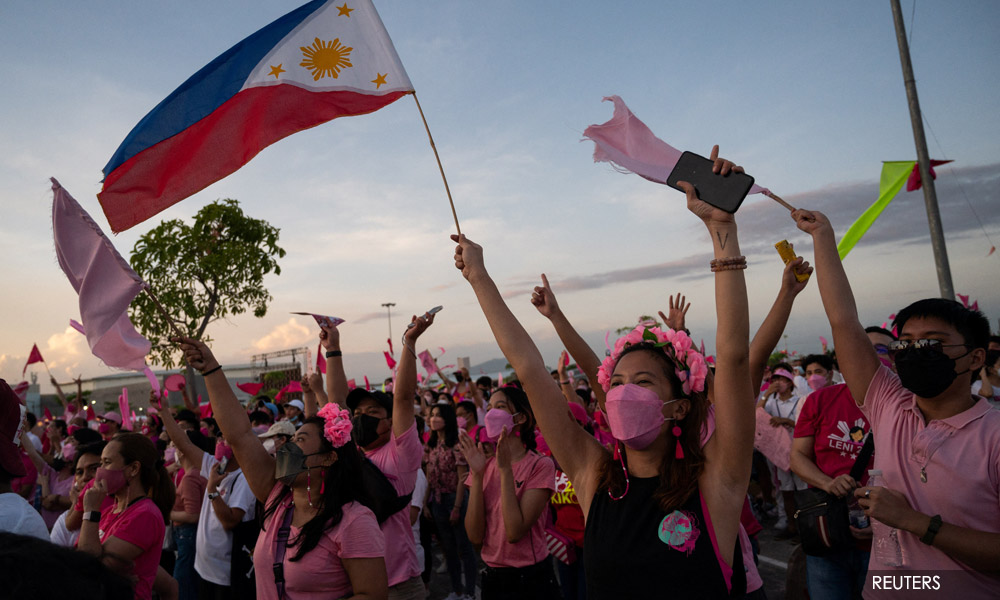

Explainer: A guide to the Philippines election
Below is a rundown of what to expect.
What’s being decided?
The election will choose a president, vice president, 12 senators, 300 lower house legislators, and...
The Philippines holds an election on Monday (May 9) to decide thousands of positions across the archipelago, including who will take over from Rodrigo Duterte and become its president for the next six years.
Below is a rundown of what to expect.
What’s being decided?
The election will choose a president, vice president, 12 senators, 300 lower house legislators, and about 18,000 officials across 7,600 islands, including mayors, governors, and their deputies.
About 67.5 million of the Southeast Asian nation's 110 million population are eligible voters and most ballots will be cast on election day, with polls open from 6am to 7pm (2200-1100 GMT).
Each voter must select one candidate for each post, from the president, vice president, and senate, all the way down to their local district councillors.
Winners serve three-year terms, except for the president, vice president, and senators, who serve six years.
Who are the presidential contenders?
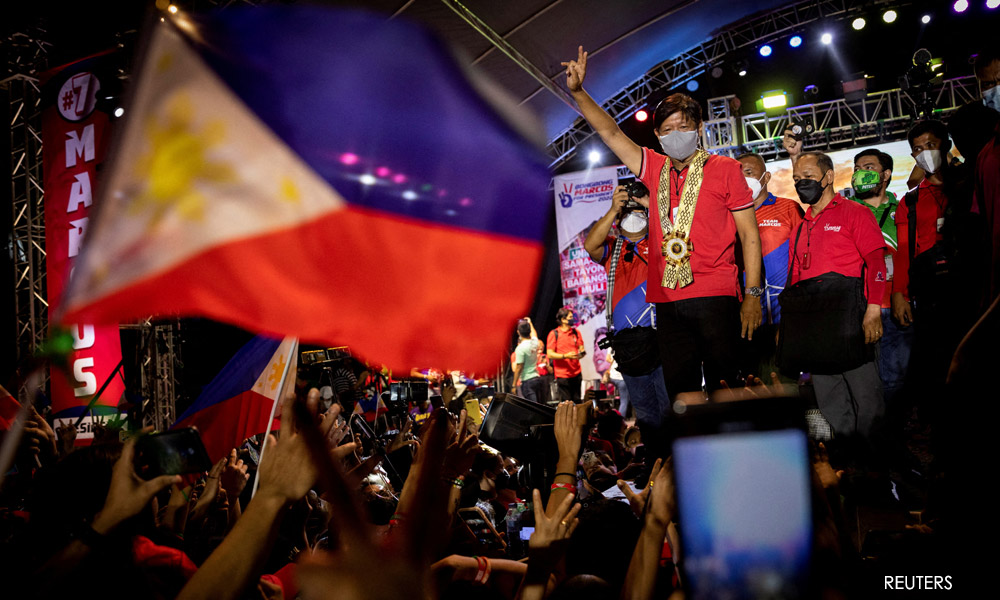
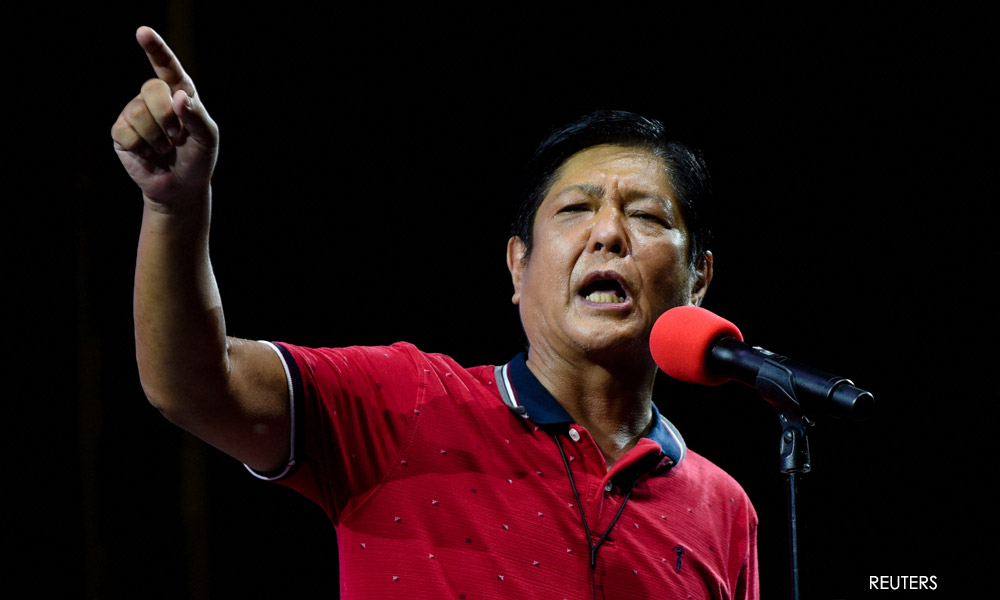
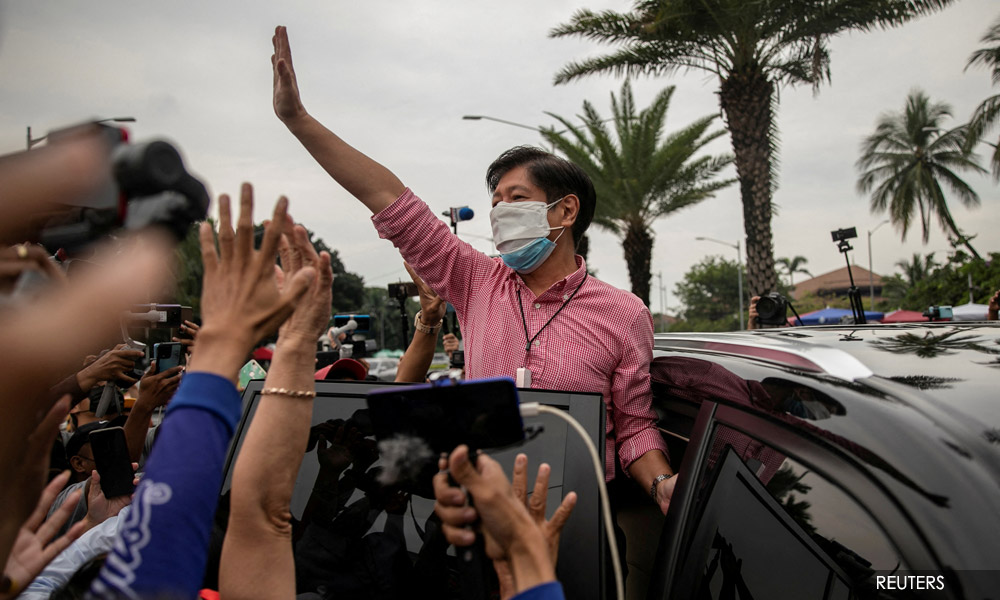
Ferdinand Marcos Jr, 64, the son and namesake of the dictator overthrown in a 1986 "People Power" uprising, has been the clear leader in all opinion polls this year.
A former governor, congressperson, and senator, Marcos is a political heavyweight from a family with deep pockets and powerful connections.
Critics say him winning the presidency is the Marcos family's endgame in whitewashing its past and changing narratives of authoritarianism, plunder, and opulent living.
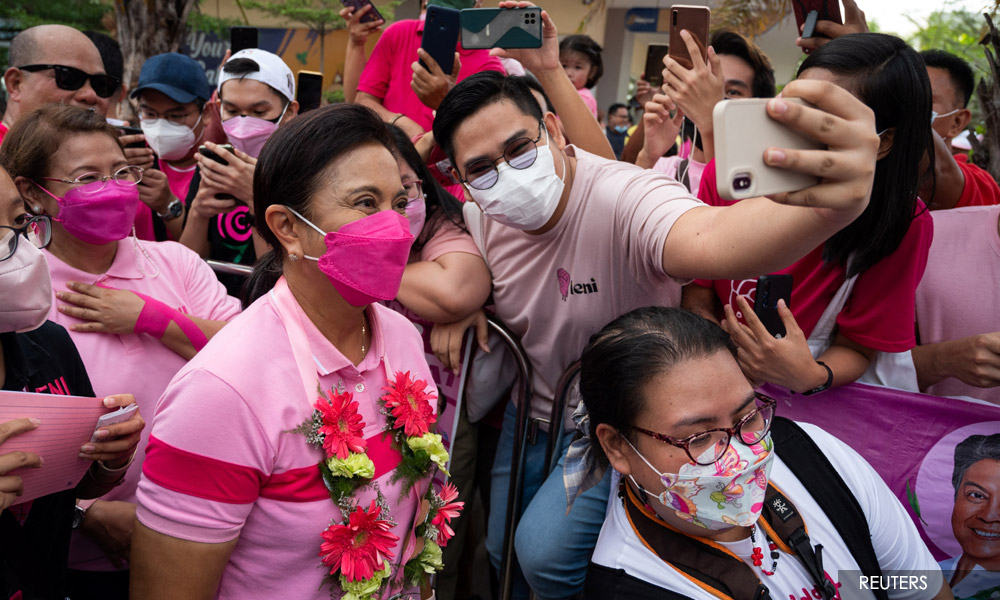
Marcos's campaign message is unity and during recent interviews has been unabashed in praising his late father for his "genius" and leadership.
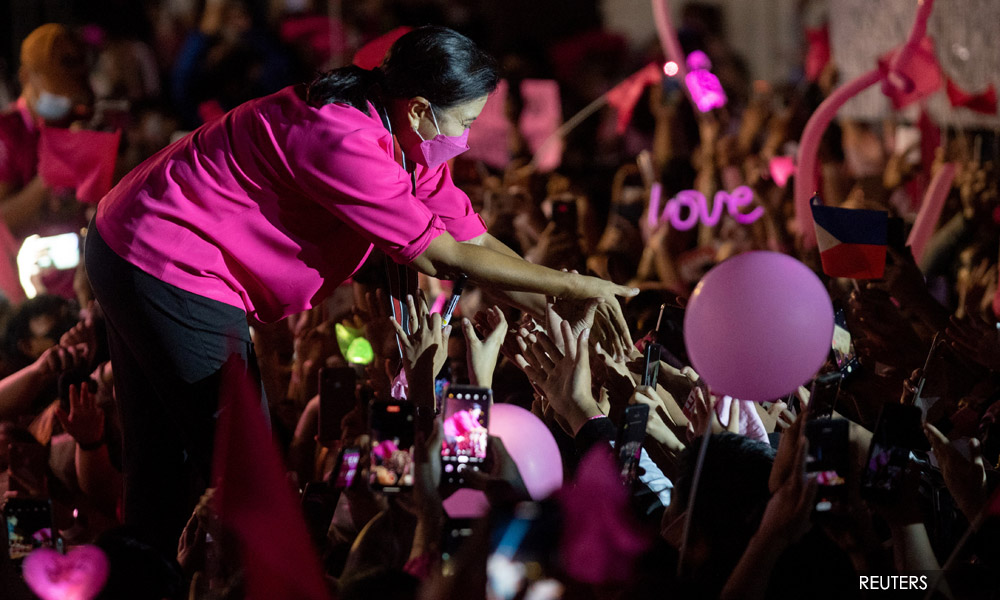
His closest rival is Leni Robredo, 57, who beat Marcos in the 2016 vice-presidential election.
Robredo is a former human rights lawyer and staunch liberal who as vice president has led campaigns against poverty and gender inequality.
She entered politics in 2013 after her husband, a former interior minister, died in a plane crash.
Other candidates include Manila mayor Francisco "Isko Moreno" Domagoso, retired boxing champion Manny Pacquiao, and Panfilo Lacson, a former police chief, although they have consistently trailed in polls.
Are Philippine elections credible?
Although vote-buying, political violence, and occasional glitches with electronic voting machines have been problems in the Philippines, fraud on the level that would cast doubt on the credibility of polls or their outcome is very unlikely.
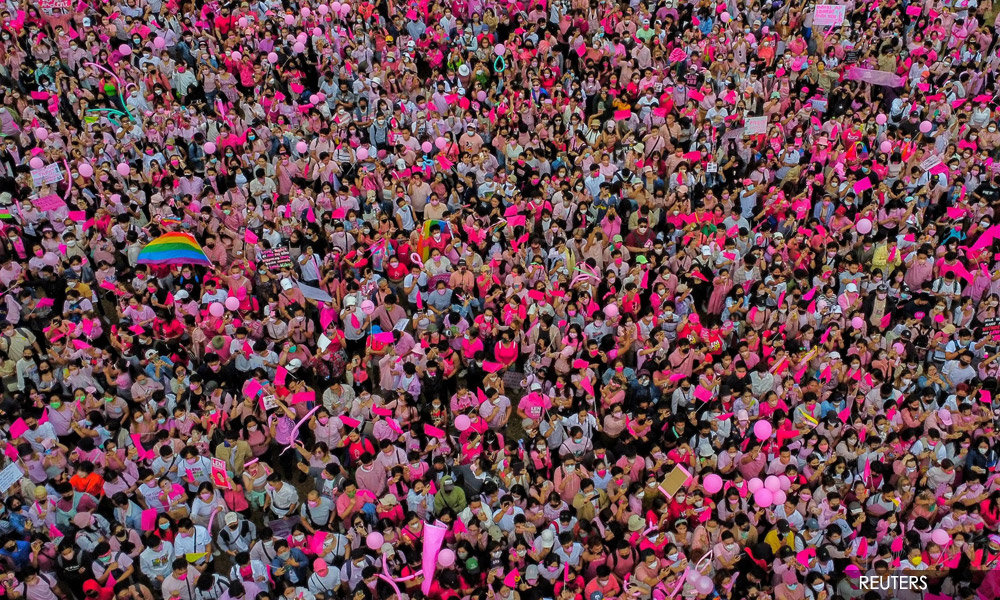
Independent poll monitor the Asian Network for Free Elections concluded that the most recent Philippines elections were generally free and fair, with turnout remaining high at about 80 percent.
How important is the overseas ballot?
Millions of Filipinos have either settled or taken jobs overseas. They collectively remit tens of billions of dollars each year, helping sustain families and drive the Philippine economy.
As breadwinners, the 1.7 million registered overseas voters - and many more Filipinos holding other nationalities - can be key in influencing the voting choices of their families back home or their communities abroad.
When will winners be known?
Vote-counting starts after polls close and there can be a strong indication of who will be the new president within a few hours via a live, unofficial vote count.
The election commission is aiming to announce most of the winners by the end of May and they will soon be confirmed by a proclamation of the current legislature.
The president-elect has seven weeks before being sworn in, during which their transition team will work out policy plans and sound out potential cabinet members.
Does the vice presidency matter?
The vice president has no real power unless the president vacates office, but as election running mates, they can be crucial allies in rallying supporters behind presidential candidates.
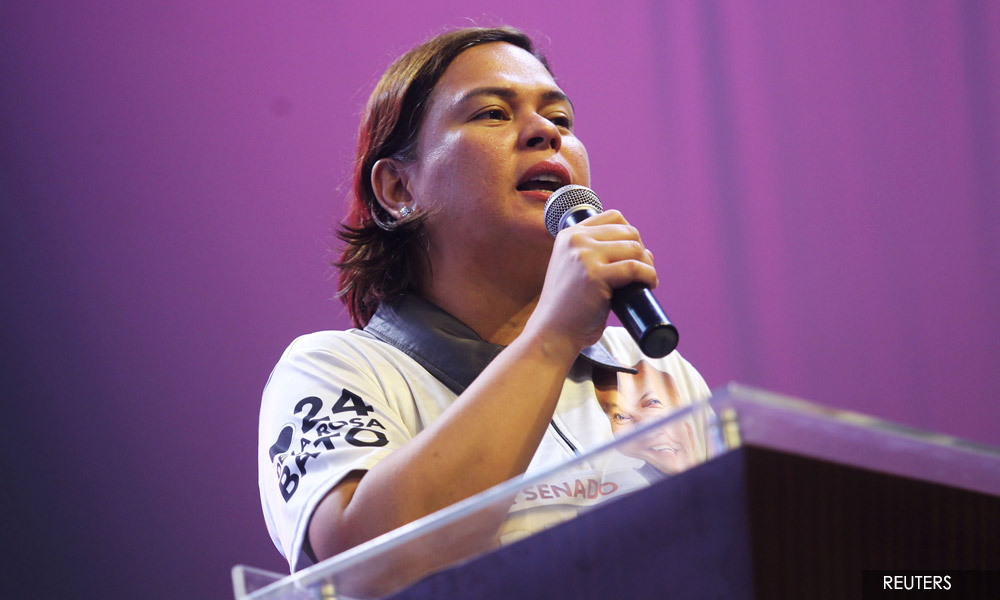
Marcos has teamed up with current President Duterte's daughter, Sara Duterte-Carpio. Her support in the south - historically a weak spot for the Marcos family - could be a game-changer.
While her father has not endorsed Marcos or any other candidate, he is almost certain to absorb some of the outgoing president's support.
The vice president is elected in a separate contest and may not be an ally of whoever becomes president.
What about parties?
In the Philippines, political parties tend to be secondary to personalities, with loyalties shifting easily.
Family names and endorsements from celebrities, social media influencers, and politicians carry enormous weight - far more than party affiliation.
Widespread defections are anticipated and lawmakers will often ally themselves with whoever becomes president, although rivalries and ideological differences will ensure a political opposition exists.
- Reuters


Are you sure you want to delete this comment?
This action cannot be undone.