




Bar Council accuses SC of 'harassment, intimidation'
The Bar Council has slammed the Securities Commission (SC) for denying adequate legal representation to four journalists under recent investigation and for hauling in one of the journalist's counsel for questioning.
The Bar Council has slammed the Securities Commission (SC) for denying adequate legal representation to four journalists under recent investigation and for hauling in one of the journalist's counsel for questioning.
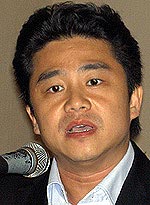 Bar Council vice-president Lim Chee Wee (
right
) described the SC's actions as "blatant intimidation" of journalists and "harassment" of lawyers representing them.
Bar Council vice-president Lim Chee Wee (
right
) described the SC's actions as "blatant intimidation" of journalists and "harassment" of lawyers representing them.
Lim argued that the presence of lawyers during interrogations was an inalienable right and important in ensuring the rights of the interviewees.
"Denying an interviewee his or her counsel of choice is unjust and calls into question the transparency and accountability of the SC when conducting its investigations," said Lim in a statement today.
He adds that the questioning of the lawyer threatens the independence of the Bar and interferes with his duties.
"Such questioning (of lawyers) makes a mockery of the fundamental principle of solicitor-client confidentiality by which lawyers are bound," he said, adding that such practice violates international conventions.
'Regressive law'
Lim also expressed concern over section 134 (2) of the Securities Commission Act 1993 which compels witnesses to answer any of the SC's questions regardless of whether it incriminates the witness.
He described the law as "regressive" because it denies the rights of witnesses guaranteed under the Criminal Procedure Code.
Lim was referring to four journalists investigated by the SC following their reports on the recent trading in shares of troubled furniture maker Kenmark Industrial Co (M) Sdn Bhd.
One journalist from the Star daily was reportedly questioned for eight hours by the SC, prompting fears that the interrogation would compromise basic journalistic freedoms and reveal sources.
The three other journalists include one from Business Times and two from The Malaysian Reserve . The SC claims that all four were quizzed as witnesses and denied applying "pressure" on them.
Following this, the SC attempted to quiz a lawyer acting for the Star , but the publication has since obtained an interim stay order preventing the commission from doing so.


Are you sure you want to delete this comment?
This action cannot be undone.