


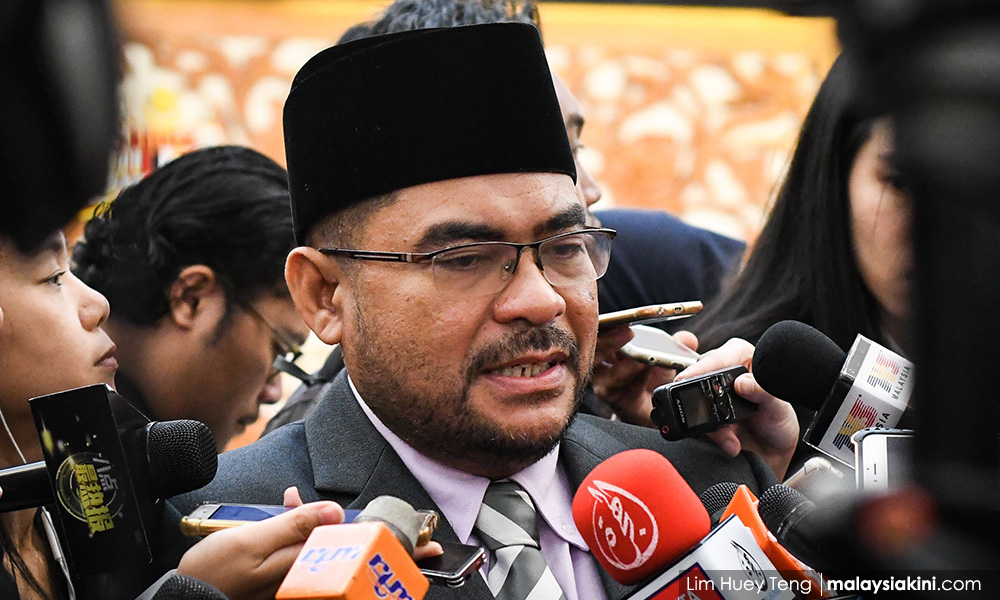

Why would Mujahid say what he said?
"When I do good, I feel good. When I do bad, I feel bad. That's my religion."
– Abraham Lincoln
COMMENT | For some time now, I have been a strong advocate of a counter-narrative to the mainstream dogma of Islam in this country.
While the Pakatan Harapan regime has been cowardly in their response to certain issues – ranging from the public caning of lesbians, to coddling extremist like Zakir Naik, and the Kampung Manjoi incident – the latest from de facto Islamic Affairs Minister Mujahid Yusof Rawa on all things Islamic and his dust-up with The Star over its headline is worth paying attention to.
If people have been paying attention, there really isn’t much good news when it comes to Islam in this country; if anything, the Harapan regime has been derelict in their duty of confronting the Islamists.
So why would Mujahid make statements such those he made in an interview in The Star? Let us examine these statements.
1. “Let’s say you commit something within your personal, individual sphere – I will not interfere.”
What does this mean? That Mujahid personally won’t knock down doors and drag Muslims out of their private spheres? Is he speaking as a minister in charge of Islamic affairs, or is he just shooting the breeze, his words having no meaning in a policy sense and are not worth considering?
2. “For example, consumption of alcohol is wrong for a Muslim, but if you consume it within your sphere, then as part of the government, I will not interfere.”
Now, he is talking as someone who is part of the government. Well, if he talking as a representative of the government, what does this mean? That there will be no more raids or whatever else kind of moral policing? Because if his words do have meaning as a representative of the government, what else could they mean in terms of policy?
3. “My concern is what goes on in public that encroaches on sensitivity, legality or criminality. Only then does the government come in, not because we want to be moral police but because we want to secure the public sphere.”
So now we know for sure that Mujahid is speaking as a government official. The use of the term “we” signifies that this is government policy, and not some sort of personal preference. So, could we assume that there would be no more moral policing in private spheres as opposed to public ones? Apparently not...
"When I do good, I feel good. When I do bad, I feel bad. That's my religion."
– Abraham Lincoln
COMMENT | For some time now, I have been a strong advocate of a counter-narrative to the mainstream dogma of Islam in this country.
While the Pakatan Harapan regime has been cowardly in their response to certain issues – ranging from the public caning of lesbians, to coddling extremist like Zakir Naik, and the Kampung Manjoi incident – the latest from de facto Islamic Affairs Minister Mujahid Yusof Rawa on all things Islamic and his dust-up with The Star over its headline is worth paying attention to.
If people have been paying attention, there really isn’t much good news when it comes to Islam in this country; if anything, the Harapan regime has been derelict in their duty of confronting the Islamists.
So why would Mujahid make statements such those he made in an interview in The Star? Let us examine these statements.
1. “Let’s say you commit something within your personal, individual sphere – I will not interfere.”
What does this mean? That Mujahid personally won’t knock down doors and drag Muslims out of their private spheres? Is he speaking as a minister in charge of Islamic affairs, or is he just shooting the breeze, his words having no meaning in a policy sense and are not worth considering?
2. “For example, consumption of alcohol is wrong for a Muslim, but if you consume it within your sphere, then as part of the government, I will not interfere.”
Now, he is talking as someone who is part of the government. Well, if he talking as a representative of the government, what does this mean? That there will be no more raids or whatever else kind of moral policing? Because if his words do have meaning as a representative of the government, what else could they mean in terms of policy?
3. “My concern is what goes on in public that encroaches on sensitivity, legality or criminality. Only then does the government come in, not because we want to be moral police but because we want to secure the public sphere.”
So now we know for sure that Mujahid is speaking as a government official. The use of the term “we” signifies that this is government policy, and not some sort of personal preference. So, could we assume that there would be no more moral policing in private spheres as opposed to public ones? Apparently not.
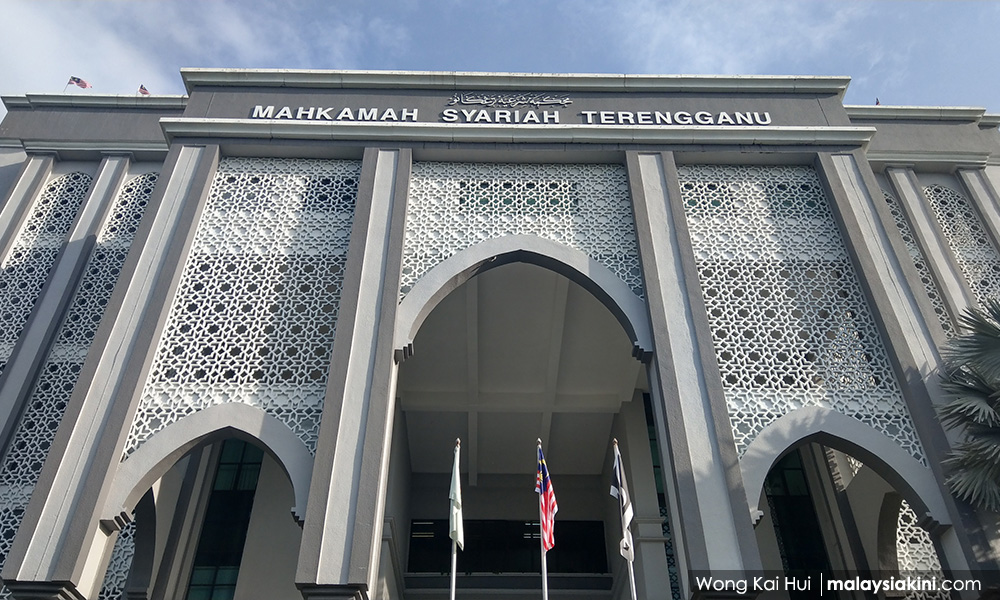
4. “The government’s narrative of Islam will translate into our policies, all the Islamic judiciary activities, all our relations with other faiths.”
Here we go again. Mujahid says that this opinion of his would translate to government policy. So if a rational person reads this, what would they conclude? That the government will not carry out moral policing in the private sphere but would do so in the public sphere so as to not hurt the sensitivities of the majority, right? Apparently not.
5. “This issue of enforcement on khalwat has been misused and exploited in some cases. It is important that they (enforcement officers) do not interfere with the individual sphere.”
Here we go again. Mujahid claims that enforcement has been misused, but more importantly officials should not interfere in the private sphere of Muslims. So this would mean that it is government policy not to raid private spheres of Muslims, right? Apparently not.
6. And this bit of reportage – “Although such raids fall under the state jurisdictions, he is engaging the religious agencies at state levels to convince them to adopt the stance of the federal authority.”
So why exactly is he engaging the state religious authorities? If by his own admission it is the government policy not to interfere in the private sphere of Muslims, what is Mujahid attempting to convince state-level actors to do?
Now apparently to the current Harapan grand poohbah, all this sounds great. So much so that Dr Mahathir Mohamad goes on about how Islam has been given a bad rep by the hardliners.
Mind you in his first incarnation as prime minister in the 'old Malaysia', the prime minister admitted in an interview with Time that he kept hudud at bay, with the mischief only beginning after he stepped down.
Grand words
“They were not able to make any progress with their hudud laws during my time. I didn’t tell them that this Islam is out-of-date or anything like that. I said Islam stresses justice and what you are doing is to create injustice, therefore it is wrong.
“But when I stepped down, they brought it up again. Hudud is man-made; it’s political, it is just meant to show that you are very Islamic.
"Today, Muslims are in a lot of turmoil, and it’s not because of Islam. It is because they reject Islam,” he said.
Speaking of not allowing "them" to make progress with their hudud laws, perhaps the current Harapan regime should demonstrate such resolve by not throwing more obstacles in front of former Sungai Benut MP Tawfik Ismail's challenge against PAS president Abdul Hadi Awang’s tabling of the motion to amend the Syariah Courts (Criminal Jurisdiction) Act 1965 (Act 355).
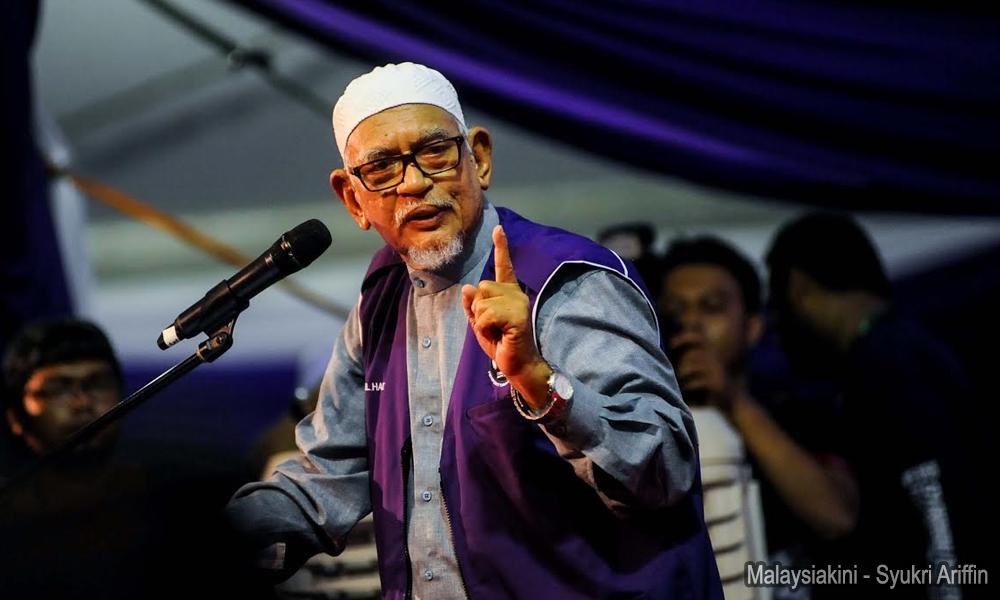
The Attorney-General’s Chambers may think this matter is now academic, but as claimed by Tawfik’s lawyer Rosli Dahlan – a lawyer who defended the late Kassim Ahmad and a recipient of the transgressions of the Umno state – how can the matter be academic when Hadi will no doubt bring Act 355 up again?
A far more honest approach would be Harapan political operatives making clear their stand on Hadi’s bill, perhaps by stating they would not support it – in keeping with the prime minister’s history of keeping hudud “at bay” – or agreeing with Tawfik’s contention that the proposed bill is unconstitutional. But, as usual, I digress.
The prime minister backing up Mujahid's stance that the federal government will not intrude into the private sphere of Muslims in this country is a good first step. Reading the old maverick's rather forceful defence of Mujahid policy intent and the kind of Islam Harapan wants to promote is a positive indication that (perhaps) this was really a new-ish Malaysia.
No doubt the media in question is going to fold. This is why some people in this country despise the political operatives from Amanah. They do not have the guts to be a moderate Islamic party, but have no problem attacking PAS's conservative stand.
What I do not understand is why doesn’t Harapan make the argument that moral policing is expensive? We are supposed to be in a time when the government is on an austerity drive.
Lim Guan Eng is worried that he would be the most disliked finance minister because of the cost-cutting measures that are going to be in the next budget. Tabung Harapan Malaysia supposedly rejected a large sum of money because the federal government thought there would be strings attached.
Shouldn’t this be the time when the federal religious bureaucracy chips in and helps ‘save Malaysia’ too? Shouldn't this be the time when state religious departments in Harapan-controlled states do their bit when it comes to cost-cutting? As I said, policing morality takes time and money. Both of which are in short supply.
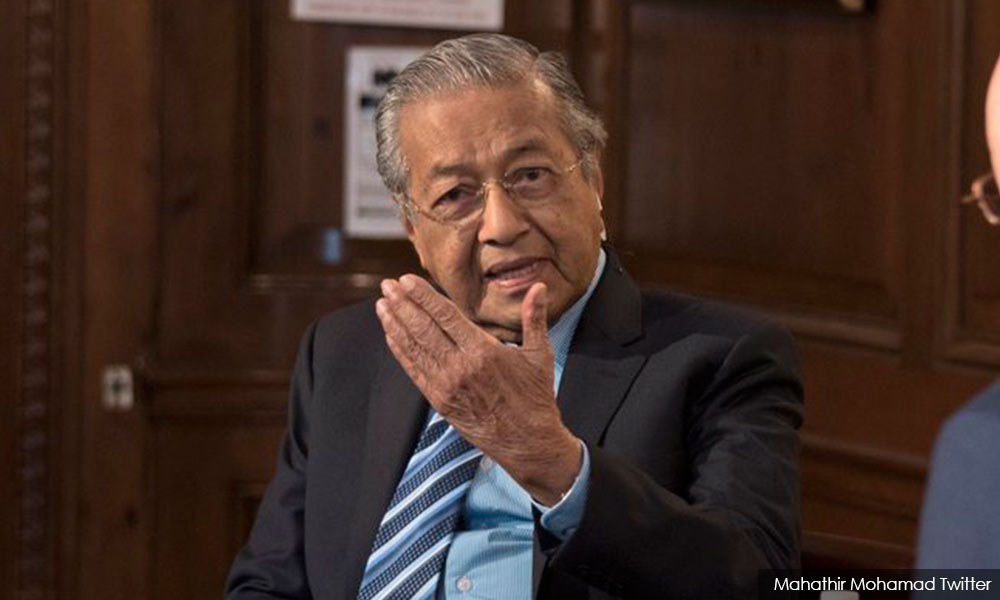
The fact is that Mujahid is not confident enough to promote the kind of "moderate" Islam that he goes on about. The prime minister, who apparently does not have a problem with what Mujahid said, is now left hanging while Mujahid’s minions promise stern action against The Star for what some would (mendaciously) argue is a faulty headline.
Before the election, grand words flowed from his mouth; now, he is just another bureaucrat playing to specific bases, knowing that the Harapan base will not hold him accountable for failing to further a so-called moderate Islamic agenda.
So I guess the more important question is not why Mujahid said the things he said, but can anyone trust whatever comes out from his mouth?
S THAYAPARAN is Commander (Rtd) of the Royal Malaysian Navy.
The views expressed here are those of the author/contributor and do not necessarily represent the views of Malaysiakini.


Report this comment
Are you sure you want to delete this comment?
This action cannot be undone.