
COMMENT | New PN order marks the end of BN
COMMENT | Post-Sheraton coup, the immediate need for Umno, PAS and Bersatu to have more seats to distribute among themselves will alter the political landscape in massive ways. This piece predicts that the three parties will create “the pool” of 135 of the 165 peninsula seats, taking away a significant number of seats previously contested by Barisan Nasional component parties.
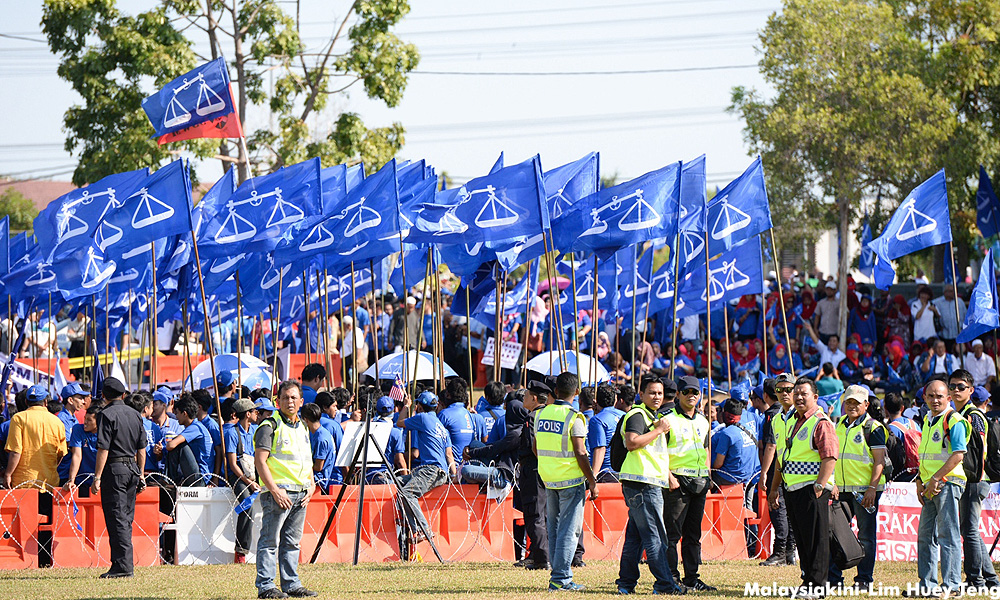
In the 14th General Election, of the 165 parliamentary seats in the peninsula, Umno contested 105 seats, MCA 39, Gerakan 11, MIC nine and MyPPP one.
Umno also contested 14 seats in Sabah and one seat in Labuan.
On election night in 2018, of the peninsula seats, Umno won 47 of 105 seats contested, MCA won one of 39 seats contested while MIC won two of nine seats contested...
COMMENT | Post-Sheraton coup, the immediate need for Umno, PAS and Bersatu to have more seats to distribute among themselves will alter the political landscape in massive ways. This piece predicts that the three parties will create “the pool” of 135 of the 165 peninsula seats, taking away a significant number of seats previously contested by BN component parties.
In the 14th general election, of the 165 parliamentary seats in the peninsula, Umno contested 105 seats, MCA (39), Gerakan (11), MIC (nine) and MyPPP had one.
Umno also contested 14 seats in Sabah and one seat in Labuan.
On election night in 2018, of the peninsula seats, Umno won 47 of 105 seats contested, MCA won one of 39 seats contested while MIC won two of nine seats contested.
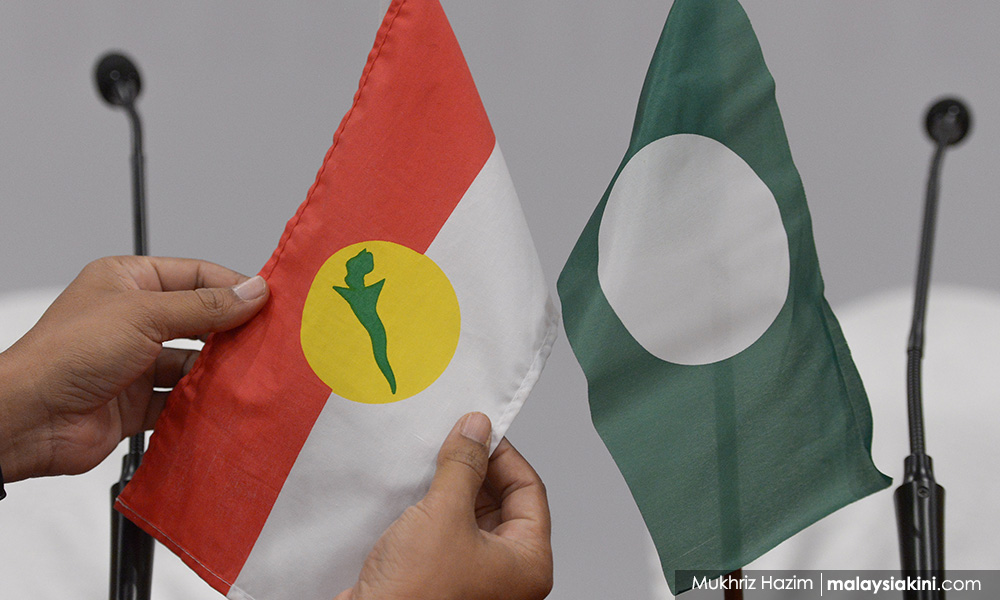
In the 14th general election, Umno, Bersatu and PAS contested against each other. In October 2019, Umno and PAS formalised the Muafakat Nasional coalition while the Sheraton coup brought Bersatu into the Umno-PAS-Bersatu equation.
Post-Sheraton coup, Umno, PAS and Bersatu will have to carve up the 165 peninsula seats among the three parties before a general election can be called. Whether and when snap polls would be triggered very much hinge on the seat deals among the three parties.
There are talks that Bersatu president Muhyiddin Yassin may join Umno, thus solving all the puzzles. While I do not rule out that possibility, it won’t be an easy one. Even if Muhyiddin joins Umno, the party would still have to settle seat allocation with PAS in order not to compete against each other.
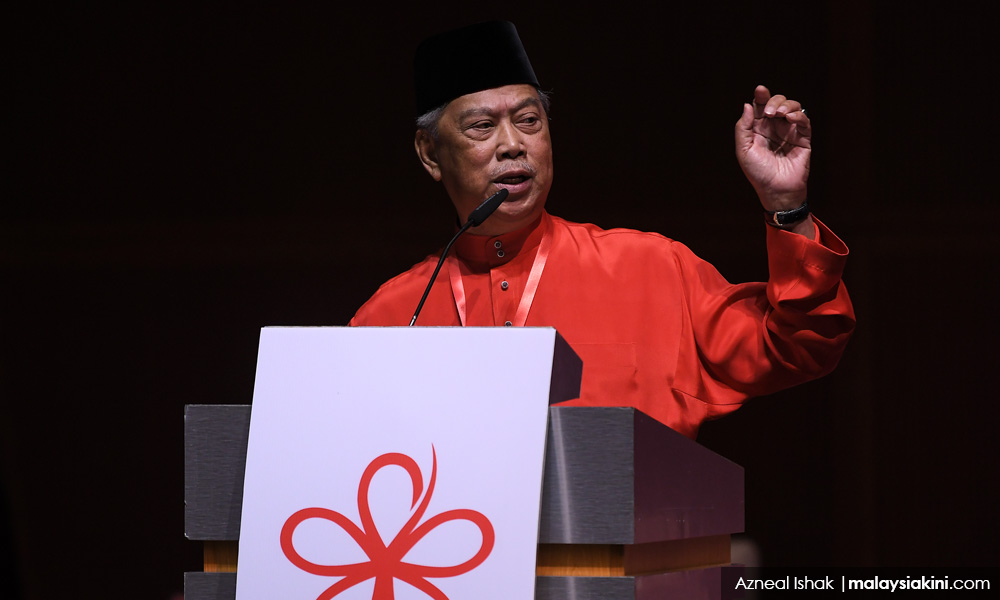
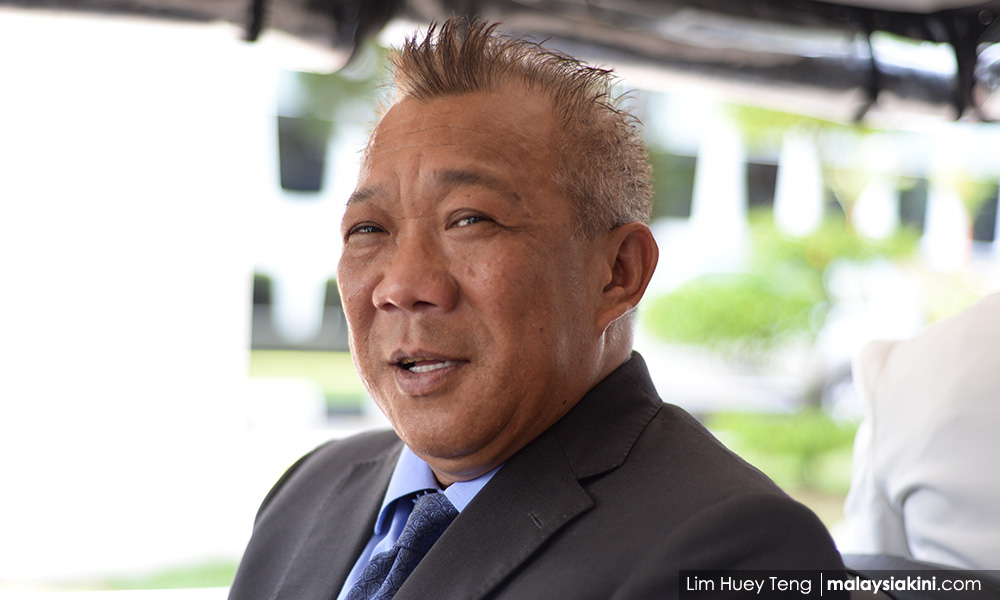
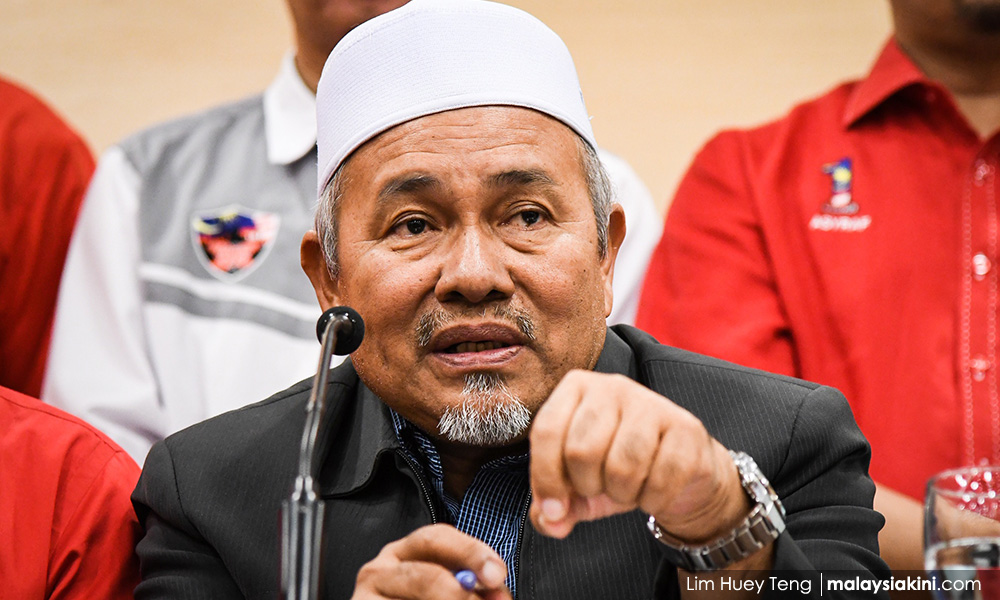
According to media reports, when Muhyiddin (above) met PAS president Abdul Hadi Awang, the prime minister told Hadi that he would like Bersatu to contest 50 parliamentary seats. I supposed that is the initial bid, but it is quite unlikely that PAS and Umno would allow Bersatu to contest 50 seats.
Whichever the case, it is certain that MCA won’t get to contest 39 seats and MIC would contest much fewer seats than the nine it contested in 2018.
As a guide, with very rare exceptions, seats contested by MCA and MIC, as well as those previously contested by Gerakan and MyPPP, that has Malay voters more than 50 percent would go to “the pool” for Umno, PAS and Bersatu to carve up.
If more seats are needed to satisfy Umno, PAS and Bersatu, mixed seats that has close to 40 percent Malay voters may also go to “the pool” and no longer to be contested by MCA, MIC or Gerakan.
Gerakan left Barisan Nasional in 2018 and it is very unlikely that Bersatu, Umno or PAS would be bothered to give Gerakan any winnable seats to contest.
The Penang seats of Gerakan will probably go to MCA to make up for its losses of rights to contest in elsewhere, such as Batu Kawan, Bukit Bendera, Tanjong, Jelutong. Beruas and Kepong are likely to be in the same category, therefore, six seats to MCA’s tally from the former Gerakan seats.
The Gerakan contested seats of Taiping (38 percent Malay voters), Teluk Intan (40 percent Malay voters), Puchong (36 percent Malay voters), Batu (42 percent Malay voters) and Simpang Renggam (59 percent Malay voters) are likely to be contested by Umno or Bersatu.
MIC will face a massive “Cameron Highland Effect” of its previously contested seats. In the January 2019 Cameron Highland by-election, for winnability, MIC gave way to Umno to contest the seat.
Bersatu or Umno will take away Hulu Selangor, Sungai Buloh, Kapar, Kota Raja, Port Dickson and Segamat.
It is quite likely that MIC would only contest Sungai Siput and Tapah.
While Bentong (46.5 percent Malay voters), Ayer Hitam (57.68 percent) and Tanjong Piai (56.8 percent) have very significant composition of Malay voters, due to the big names from MCA, they are likely to be contested by MCA.
But other MCA contested seats with more than 40 percent Malay voters are likely to go to “the pool” for Umno and Bersatu to contest. MCA is likely to lose the right to contest in the following seats:
Alor Setar (63.58 percent Malay voters)
Padang Serai (59.05 )
Gopeng (42.37 percent)
Tanjong Malim (55.56 percent)
Raub (52.07 percent)
Kuantan (66.39 percent)
Selayang (51.79 percent)
Ampang (54.79 percent)
Pandan (45.58 percent)
Bangi (48.47 percent)
Petaling Jaya (46.57 percent)
Wangsa Maju (59.82 percent)
Seremban (48.39 percent)
Alor Gajah (60.84 percent)
Bakri (44.23 percent)
Kluang (41.63 percent)
Tebrau (47.19 percent)
The MyPPP seat of Segambut is probably also going to “the pool”.
In conclusion, MCA is likely to contest 28 seats (taking into account the six former Gerakan seats mentioned above) while MIC is likely to contest two seats. If Gerakan’s seats are not counted, MCA’s contested seats are slashed from 39 to 22.
Through this exercise, “the pool” for Umno, Bersatu and PAS to choose from will have an additional 30 seats to play with, in addition to the 105 seats Umno previously contested.
Among Umno, Bersatu and PAS, they will negotiate from “the pool” of 135 of the 165 Peninsula seats.
This change will significantly alter the political landscape.
Based on the previous Pakatan seat arrangement, DAP will likely to face Umno or Bersatu in Taiping, Teluk Intan, Puchong, Raub, Cameron Highland, Bangi, Segambut, Seremban, Bakri and Kluang.
Also basing on the 2018 Pakatan seat deal, PKR will likely face Umno or Bersatu in Alor Setar, Padang Serai, Gopeng, Tanjong Malim, Kuantan, Hulu Selangor, Selayang, Ampang, Pandan, Petaling Jaya, Sungai Buloh, Kapar, Wangsa Maju, Port Dickson, Segamat and Tebrau.
The idea of Barisan Nasional seat/power-sharing is finally buried in the seat negotiation process of Perikatan Nasional due to the pressing need of more seats to distribute among Umno, PAS and Bersatu.
For DAP and PKR, contesting directly against Umno or Bersatu in significantly more seats than previously is the new scenario that these parties will have to adapt to.
LIEW CHIN TONG is a senator and ex-deputy defence minister.
The views expressed here are those of the author/contributor and do not necessarily represent the views of Malaysiakini.