
MP SPEAKS | Sarawak's own mobile Internet provider - another 'hot air' project?
MP SPEAKS | Will Abang Johari Openg’s proposal for the Sarawak government to operate a mobile Internet service provider company be another one of his “hot air” projects or white elephant initiative wasting Sarawakians’ money in the millions or even hundreds of millions?
Since taking the helm of the state, there has been no shortage of “hot air” proposals by the chief minister.
Here are some, just to name a few...
MP SPEAKS | Will Abang Johari Openg’s proposal for the Sarawak government to operate a mobile Internet service provider company be another one of his “hot air” projects or white elephant initiative wasting Sarawakians’ money in the millions or even hundreds of millions?
Since taking the helm of the state, there has been no shortage of “hot air” proposals by the chief minister.
Here are some, just to name a few:
- An LRT stretching all the way from Kuching to Santubong and Serian;
- A 5G/7G network in his keynote address in 2017 International ICT Infrastructure and Digital Economy Conference Sarawak (Idecs);
- Building 5,000 telco towers in the state;
- The state government to own an airline company;
- A hydrogen bus project with its inaugural bus entering a workshop for a few months shortly after its launch; and
- Chartering a plane to sell local farm products in Singapore.
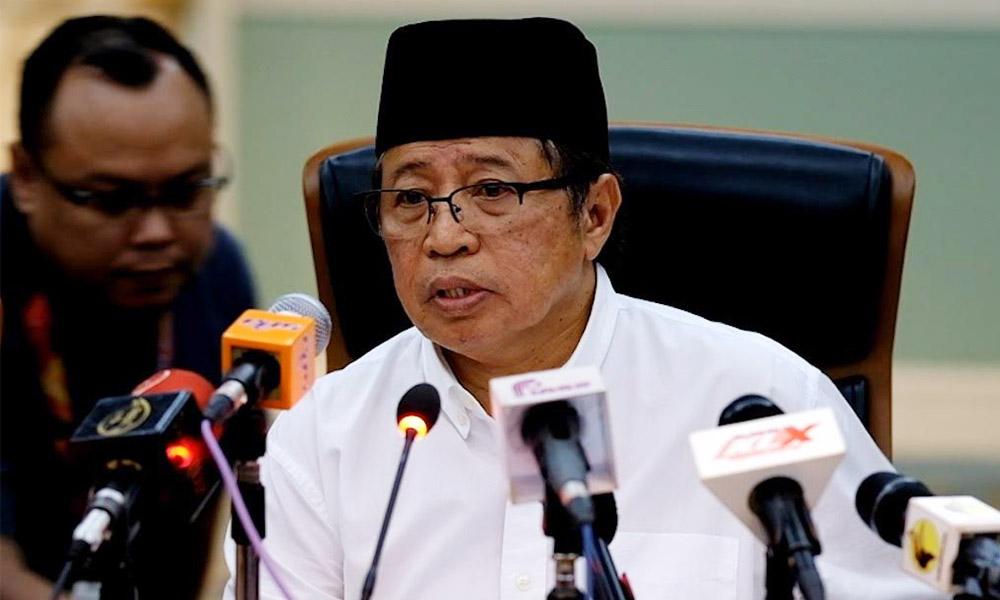
Abang Johari’s () suggestion a few days ago that the state government own and operate a mobile Internet service provider company to provide Internet to rural areas, is the latest on the list.
Such companies operate in a highly competitive market. One of the key factors for any such provider to succeed is the economy of scale. At a certain stage, even the market of Malaysia's whole population of 32 million is considered insufficient to achieve the optimal economy of scale to operate such services, let alone Sarawak’s population of 3.2 million which is sparsely scattered in rural areas.
The main reason why telco companies do not want to venture into the state's rural area is the cost factor which far outweighs its potential revenue. Therefore, for the state government to own and run a mobile Internet service provider company with the purpose to serve the rural sector, it is set to run on heavy government subsidy and grants to sustain its loss which will run into hundreds of millions or more.
Abang Johari’s proposal will involve the following steps:
- An application to the Malaysian Communications and Multimedia Commission (MCMC) for the issuance of a licence;
- Engagement of consultants to study and compile a paper for the setting up of the company;
- Selection of the board of directors for the company;
- Setting up the proper management team and operational team;
- Selecting a headquarter office and branch offices all over the state;
- Rolling out the packages of subscription, marketing and providing actual Internet services on the ground.
All this will take at least two years to implement and the cost will be enormous. Moreover, looking at all these steps involved, it only opens up opportunities for cronyism, corruption and kickbacks to take place in the process.
In fact, to provide Internet services for the rural community, there are more cost-effective ways than owning and operating a mobile Internet service provider company. What the state government needs to do, which Sarawak DAP is now proposing, are as follows:
- The Sarawak government should negotiate with existing telco companies for Internet coverage for all the targeted rural areas with the proposal that the state government will absorb all the losses incurred by these companies due to the lack of economy of scales in these areas and even with some marginal profits for the telco companies; and
- The Sarawak government to direct Sacofa Sdn Bhd to stop charging high rental on these telco companies for the installation of signal transmitters on Sacofa’s telco towers. As I was told, one of the key hindrances for the existing telco companies to provide services to the rural areas is the exorbitant rental charges by Sacofa for the use of its telco towers.
Compared to Abang Johari’s proposal, Sarawak DAP’s plan will only incur less than 10 percent of the cost and can be implemented immediately.
The chief minister's proposed project is analogous to the idea of buying a calf and then taking the time to raise it until it can produce milk, just because we want to drink a cup of milk, instead of going to a convenience store or supermarket to buy a readily available box of it.
Abang Johari’s suggestion that because we want to provide Internet services to the rural area, we set up a full-blown mobile Internet service provider company, is akin to that and will take time and cost so much more.
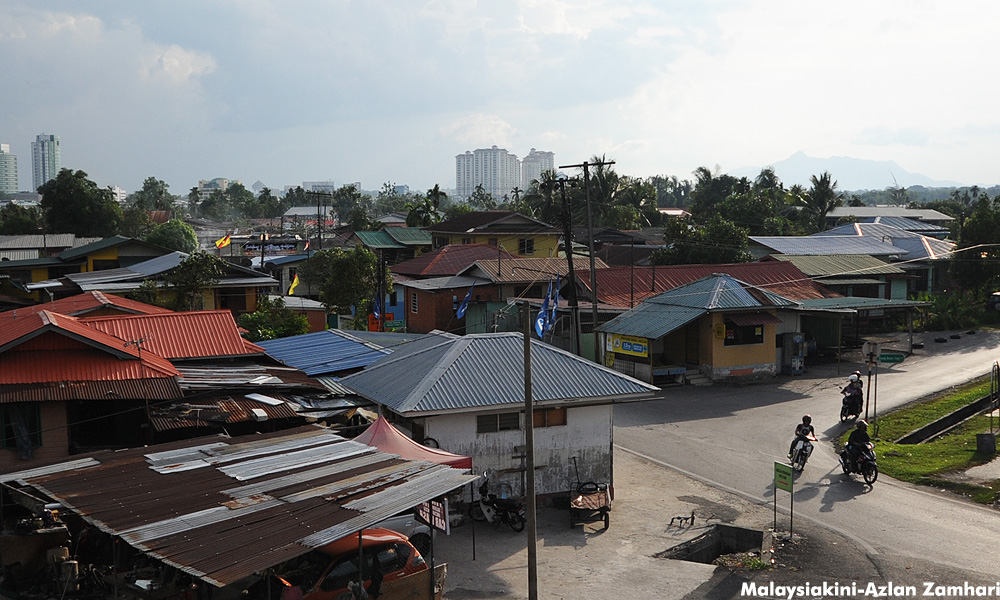
If you want to provide Internet access to rural people, why not approach and negotiate with the existing telco companies? Subsidise their operations in the rural area, or give them some government incentives and business advantage if they take up the venture.
There are sufficient telco companies in the market to provide the necessary competition so that the state will get the best deal possible.
Sarawak DAP calls on Abang Johari to abandon the idea and take up our suggestion so that hundreds of millions of Sarawakians’ money will not be wasted and the rural people can enjoy Internet services without further delay.
CHONG CHIENG JEN is Stampin MP, former deputy domestic trade and consumer affairs minister, as well as Sarawak DAP chairperson.
The views expressed here are those of the author/contributor and do not necessarily represent the views of Malaysiakini.