




MP SPEAKS | Doctor-population ratio does not present the full picture
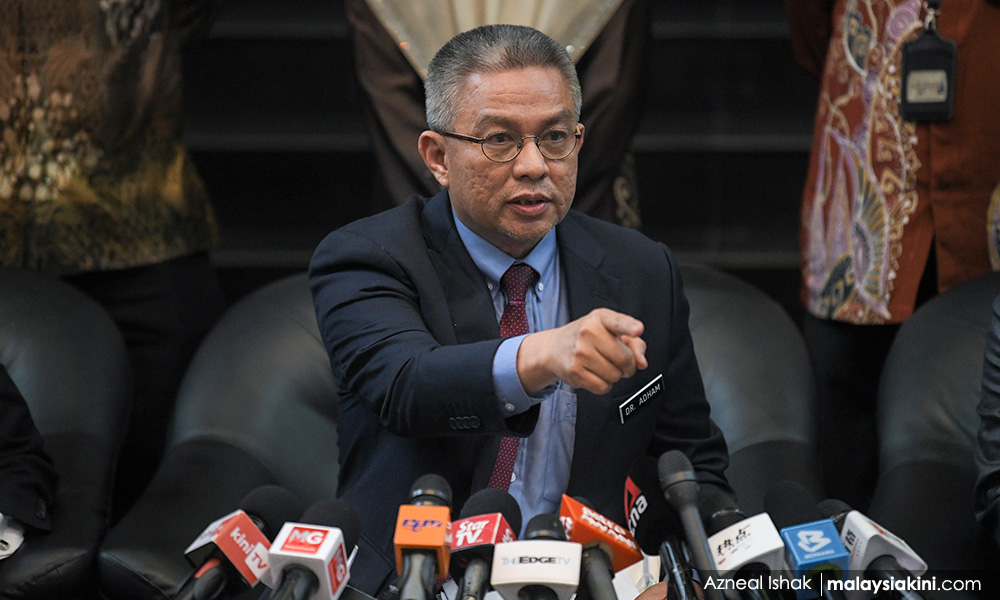
MP SPEAKS | The recent statement by Health Minister Dr Adham Baba that Malaysia has exceeded the World Health Organisation's (WHO) target on the ratio of doctors and nurses for universal health coverage may not paint the full picture of the reality of the ground, especially the needs of doctors in the rural areas in Sabah and Sarawak and Orang Asli settlements in West Malaysia.
To use merely ratio of doctors to patients to measure universal healthcare coverage in our country does not present the entire situation as even with a high ratio, it can also mean that there is a congestion of healthcare workers in the bigger cities, especially in the Klang Valley, but lacking in the rural areas.
The ratio basically shows the average of the whole country, but if we were to look at it at a micro-level, especially state by state, you’ll find a different picture...
MP SPEAKS | The recent statement by Health Minister Dr Adham Baba that Malaysia has exceeded the World Health Organisation's (WHO) target on the ratio of doctors and nurses for universal health coverage may not paint the full picture of the reality of the ground, especially the needs of doctors in the rural areas in Sabah and Sarawak and Orang Asli settlements in West Malaysia.
To use merely ratio of doctors to patients to measure universal healthcare coverage in our country does not present the entire situation as even with a high ratio, it can also mean that there is a congestion of healthcare workers in the bigger cities, especially in the Klang Valley, but lacking in the rural areas.
The ratio basically shows the average of the whole country, but if we were to look at it at a micro-level, especially state by state, you’ll find a different picture. For example, the official ratio of doctors to the population in Sabah is about 1:856 and Sarawak 1:662.
If we go on a more micro-level and analyse the urban-rural disparity, we will get see a clearer picture. About 45.6 percent or 98 out of 215 rural clinics in Sarawak do not even have doctors and are operated by medical assistants and nurses.
If we analyse the different departments as well, we will see yet another picture where there are departments still lacking in manpower. An auditor-general's report in 2018 clearly states that the emergency and trauma departments are understaffed, underfunded and overworked.
These will lead to burnouts, which again affect the quality of care given to patients.
That is why to fully achieve the principle of universal health coverage, there are other areas that need to be taken into consideration, including comprehensive population coverage, adequate health care services and also affordable access to healthcare.
In order to achieve all these, what is more important is the actual distribution of doctors and healthcare workers, especially in rural areas.
That is the core issue that the Health Ministry has to address, including finding ways to incentivise doctors to work in areas with a lack of medical expertise.
That is why I hope the ministry will not use this ratio as an excuse to avoid absorbing more healthcare workers into public service as we still are in urgent need of greater investment into public healthcare, including human resources.
KELVIN YII is MP for Bandar Kuching.
The views expressed here are those of the author/contributor and do not necessarily represent the views of Malaysiakini.




Are you sure you want to delete this comment?
This action cannot be undone.