



COMMENT | Wives of the pandemic
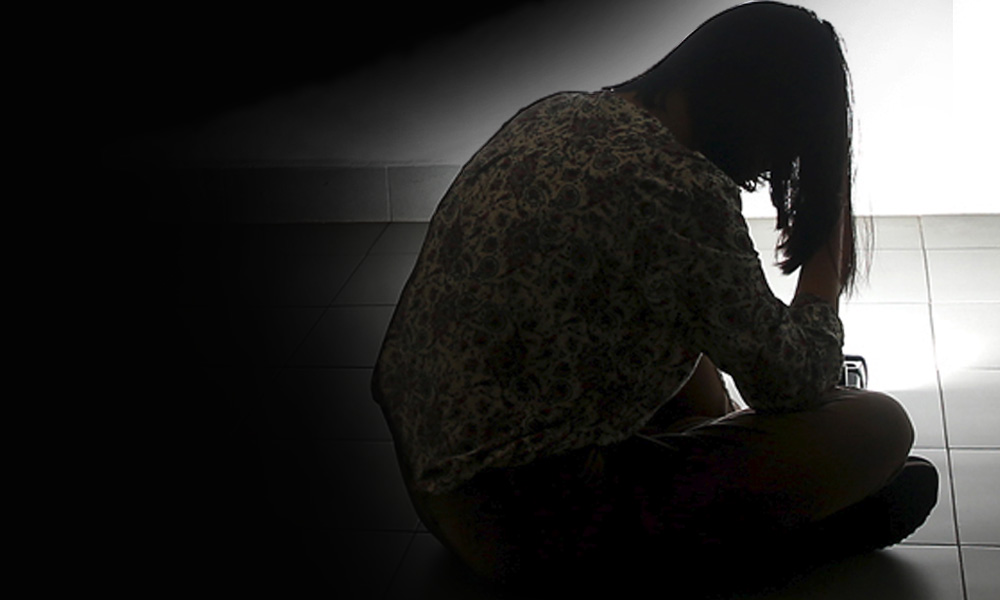
COMMENT | The perspective which shall be put forth in this essay shall aim to highlight the rise in domestic abuse against women and the effects it has on its victims who are complying to lockdown measures imposed by the country.
Facts and possible remedies will be proposed using the voice of concern from a youth in a country where these issues are glossed over and given insufficient attention and effort to curtail. A point might be raised that there are other challenges such as the exceptional damage to the economy that may result in the devastation of a nation, however, the reason the essay's focal point is domestic abuse, dubbed ‘intimate terrorism’ is the glaring under-coverage of this issue.
The pandemic has educated many on the ramifications of the oil crisis and work of incompetent politicians, yet the lack of concern and outrage over atrocities which half the world population are at risk of being subjected is shameful...
COMMENT | The perspective which shall be put forth in this essay shall aim to highlight the rise in domestic abuse against women and the effects it has on its victims who are complying to lockdown measures imposed by the country.
Facts and possible remedies will be proposed using the voice of concern from a youth in a country where these issues are glossed over and given insufficient attention and effort to curtail. A point might be raised that there are other challenges such as the exceptional damage to the economy that may result in the devastation of a nation, however, the reason the essay's focal point is domestic abuse, dubbed ‘intimate terrorism’ is the glaring under-coverage of this issue.
The pandemic has educated many on the ramifications of the oil crisis and work of incompetent politicians, yet the lack of concern and outrage over atrocities which half the world population are at risk of being subjected is shameful.
The increase in domestic abuse, as well as the response, will be considered in foreign countries such as China and the US, and the situation in Malaysia will be explored with heightened detail and care. The essay will then express the further resonance that such acts can have of women and children and offer solutions to mitigate such effects.
The United Nations advised countries to ensure that women’s safety should be prioritised and violent conducts towards women should be reprimanded in the wake of a global lockdown.
Certain nations have observed a significant increase in activity on search engines seeking information regarding abuse and who to contact, as well as a rising number of calls that have been received on emergency help hotlines. Studies into the increase of such behaviour have attributed close confinement as the primary cause, however more precise observation has added a corollary to that.

The pandemic had led to unemployment rising exponentially, resulting in considerable financial setbacks in certain cases which can be presumed to increase tensions within the private sphere of families and enhance the already soaring statistics of domestic abuse.
Patterns discerned resemble that of occasions such as Hurricane Katrina and 9/11, as it required measures similar to that of a pandemic such as confinement, fear and hardships.
An example of one of many cases involved a woman in Spain whose husband habitually abused her, commanded constant surveillance and resorted to violent measures such as kicking doors down if she protested. Seeking refuge in the bathroom was nor permitted under his Orwellian gaze. Any means of appealing to help would put even her life at risk.
Moreover, there generally exists a relationship of complete financial dependence between domestic abuse survivors and their abusers in countries like Malaysia, where 90 percent of the economy constitutes stallholders and family-run businesses.
Financial independence means absolute subservience to the abuser. A survivor may be hesitant in taking up the current help available as there are instances whereby the prodigious stride they take towards addressing the police or other similar government institutions often leads to misunderstandings. They would be forced to return to their abuser after having rebelled against them to no avail.
For example, in the Chinese city of Shenzhen, a woman circulated a recorded conversation with a police officer where he replied to her plea of help: “He has a very good job. You would ruin his life if you reported him.” The officer had also troublingly cited the husband’s drunken state as an excuse for such behaviour, inquiring, “Why would you believe his words (death threats) when he was drunk?”
The source made clear that the abuser was detained, and the police officer was disciplined. However, one cannot assume the outcome of cases handled in such a manner is always positive. Domestic abuse has always been a prevalent issue and certain events which require confinement correlate strongly in the increase in cases.
Survivors face obstacles such as not being able to reach out to help, having no other source of finance as well as risking the possibility of being brushed away by authorities. In a lockdown, the Covid-19 pandemic has exacerbated the effects and severely limited survivors’ access to support.
Malaysia has proposed to implement a six-step emergency response which will aid the spike in domestic abuse cases. The first being the request for a comprehensive SOP (standard operating procedure) to be announced which would aid survivors in reaching out for help as they would be clear on the due process. The second is to allow for IPOs (Interim Protection Order) and EPOs (Emergency Protection Order) to be issued for survivors.
Receiving an IPO may be troublesome due to the court not being able to operate as usual. Therefore, this step encourages the empowerment of the Social Welfare Department so they will be better equipped in issuing EPOs. Although an EPO ensures protection for a span of a week, it might enable survivors to remove themselves from threatening situations.
The third step is to invest money into publicity for support and help platforms such as the One-Stop Crisis centre and WAO (Women’s Aid Organisation) hotlines while the fourth is to make temporary shelters more available. The fifth expands on granting financial aid to survivors and the sixth is to make certain the efficiency of emergency resources by staffing institutions like Talian Kasih who observed a 57 percent increase in calls.
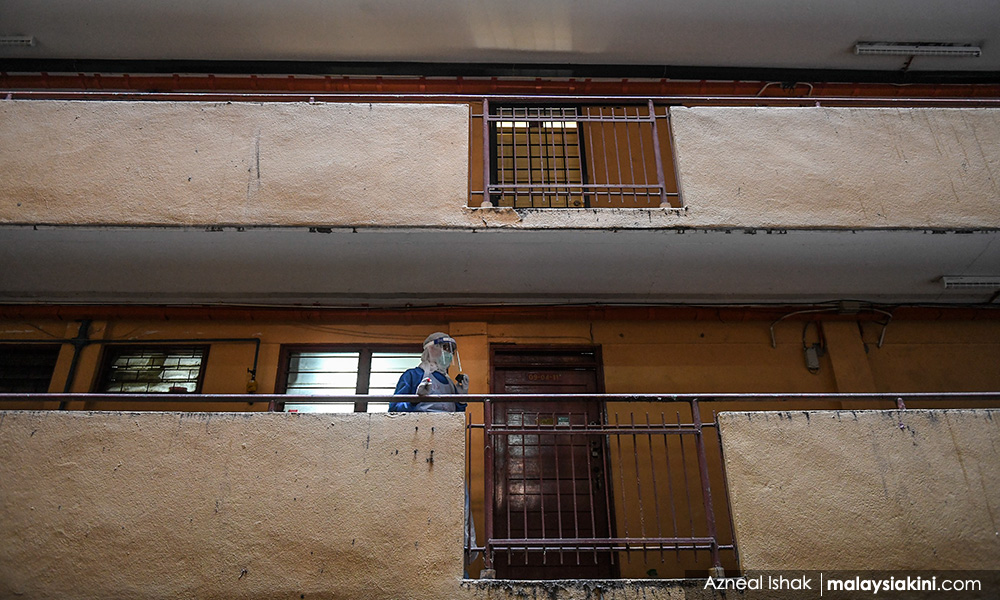
The aforementioned steps will surely ensure the mitigation of widespread domestic violence in this country, yet there has been little to no indication of the extent these steps have been exercised. One also must take into consideration that Malaysian ministers’ advice to the wives of the country was to act subservient, to dress up for their husbands and ensure their complete satisfaction during the movement control order (MCO).
It is necessary to question whether the government considers it a priority to prevent violence against the same women they order to subject entirely to their husbands. The standard operating procedure has to be specified and refined in order to apply to variations of people who live in areas of varying accessibility as well as people of different socio-economic circles.
Publicity of platforms which offer support must be able to reach more rural regions and should apply to people who are not adept at certain languages as there are cases whereby the wife has married into the country having no knowledge of the native tongue. Besides the refinement of the programme, it may still prove to be inefficient due to possible factors such as government mismanagement, inadequate funding and certain authorities' reluctance to invade the ‘private sphere’ of families.
In order for assured change, there must be outrage. As a nation, there is no better cause for fury than the persecution of our women. This is a duty we should be obligated to take upon ourselves.
The government should further invest in a long-term plan aiming to treat the psychological effects women and children have developed over the course of abuse such as Stockholm Syndrome and immense emotional harm. Extensive measures must be undertaken to curb the widespread abuse of women which will is akin to the murder of the soul.
The end of the crisis will not be accompanied by the end of extensive abuse; studies have revealed that it may lead to a period of repression which would make people inclined to increase the frequency and intensity of the abuse. The resonance of such violence can be discerned in the lives of the children who bear witness to it. In the wake of the pandemic, children will be forced to spectate and in certain instances, participate in the abuse for continued periods of time due to close confinement.
There should be mandatory psychological evaluation and the choice for further help if needed, replicating systems in countries like America which (often) provide free counselling for trauma survivors. Malaysia should take up arms against a far greater monster than a woman with no makeup, husbands who bruise their wives black and blue.
In summation, the primary causes of reluctance to seek help for domestic abuse during the MCO as well as the worldwide lockdown is an elevated amount of constant surveillance, financial dependence and ineffective authorities. These pose as hurdles for the six-step programme. The effectiveness of the steps cannot yet be evaluated as there has been no statistics released which regard it.
Covid-19 has wrought chaos upon the globe, yet it has been impartial in the spread of violence. The economy has plenty of people attending to its recovery yet the rise in domestic abuse has yet to become a global sensation, possibly due to broadcasting agencies being anxious about not appearing politically correct. Efforts to curtail domestic abuse are efforts appealing to humanity, it is an issue which is palpable, and very lasting. Close confinement as a result of Covid-19 has challenged the physical and psychological safety of women worldwide.
Once the pandemic ends, we should no longer look into the intervention of the abuse, but its prevention.
ARYANNA KAUR BHINDER is a student at Garden International School. The above won first prize in the recent Oxford-Cambridge Society of Malaysia's essay competition on Covid-19 for youths.
The views expressed here are those of the author/contributor and do not necessarily represent the views of Malaysiakini.


Are you sure you want to delete this comment?
This action cannot be undone.