



COMMENT | Collect household waste with dedicated system, prevent Covid-19
COMMENT | According to the Health Ministry, Malaysia recorded more than 9,354 cases and 128 deaths from Covid-19 as of Sept 1, 2020, at 12pm.
The total number of cases reported globally at the same time was around 25.3 million cases, and the total death toll has exceeded 848,000. The worldwide death rate due to Covid-19 is around 3.4 percent.
The spreading of Covid-19 is via human-to-human transmission, with an average basic reproductive rate (R0) of 2.2, meaning for each patient, 2.2 other individuals become infected.
In Malaysia, the daily generation of clinical waste in 2013 was 50 tonnes per day and 18,000 tonnes annually. Currently, it is estimated that the generation of biomedical waste is 90 tonnes per day or 33,000 tonnes annually, whereby about 75 to 80 percent is non-pathogenic waste.
Based on the 27 percent increase in the generation of biomedical waste during the Covid-19 pandemic, it is estimated that about 25 tonnes are Covid-19-based biomedical waste.
There are currently 144 government hospitals with 42,000 beds and 240 private hospitals with 16,000 beds which generate clinical waste daily. According to the Department of Environment (DOE) Malaysia, the amount of clinical waste produced in hospitals is about 20 to 40 percent as compared to general waste.
During the Covid-19 pandemic, the increase in clinical waste generation could be from swabs, syringes, needles, sharps, blood or body fluid, excretions, mixed waste, laboratory waste, material, or equipment contaminated with the virus, masks, or disposable gloves, as well as personal protective equipment (PPE) that are used for screening and treatment of Covid-19 infected individuals...
COMMENT | According to the Health Ministry, Malaysia recorded more than 9,354 cases and 128 deaths from Covid-19 as of Sept 1, 2020, at 12pm.
The total number of cases reported globally at the same time was around 25.3 million cases, and the total death toll has exceeded 848,000. The worldwide death rate due to Covid-19 is around 3.4 percent.
The spreading of Covid-19 is via human-to-human transmission, with an average basic reproductive rate (R0) of 2.2, meaning for each patient, 2.2 other individuals become infected.
In Malaysia, the daily generation of clinical waste in 2013 was 50 tonnes per day and 18,000 tonnes annually. Currently, it is estimated that the generation of biomedical waste is 90 tonnes per day or 33,000 tonnes annually, whereby about 75 to 80 percent is non-pathogenic waste.
Based on the 27 percent increase in the generation of biomedical waste during the Covid-19 pandemic, it is estimated that about 25 tonnes are Covid-19-based biomedical waste.
There are currently 144 government hospitals with 42,000 beds and 240 private hospitals with 16,000 beds which generate clinical waste daily. According to the Department of Environment (DOE) Malaysia, the amount of clinical waste produced in hospitals is about 20 to 40 percent as compared to general waste.
During the Covid-19 pandemic, the increase in clinical waste generation could be from swabs, syringes, needles, sharps, blood or body fluid, excretions, mixed waste, laboratory waste, material, or equipment contaminated with the virus, masks, or disposable gloves, as well as personal protective equipment (PPE) that are used for screening and treatment of Covid-19 infected individuals.
The amount of waste generated during Covid-19 is estimated to be about 0.4 to 1.0kg per bed, per day, from an infected individual.
Managing clinical waste during the Covid-19 pandemic
The current practice of clinical waste management and Covid-19-related waste follows the existing policy and legislation of clinical waste management under Schedule Waste Regulation (2005), Environmental Quality Act, 1974, and with the standard operating procedure (SOP) provided by the Health Ministry.
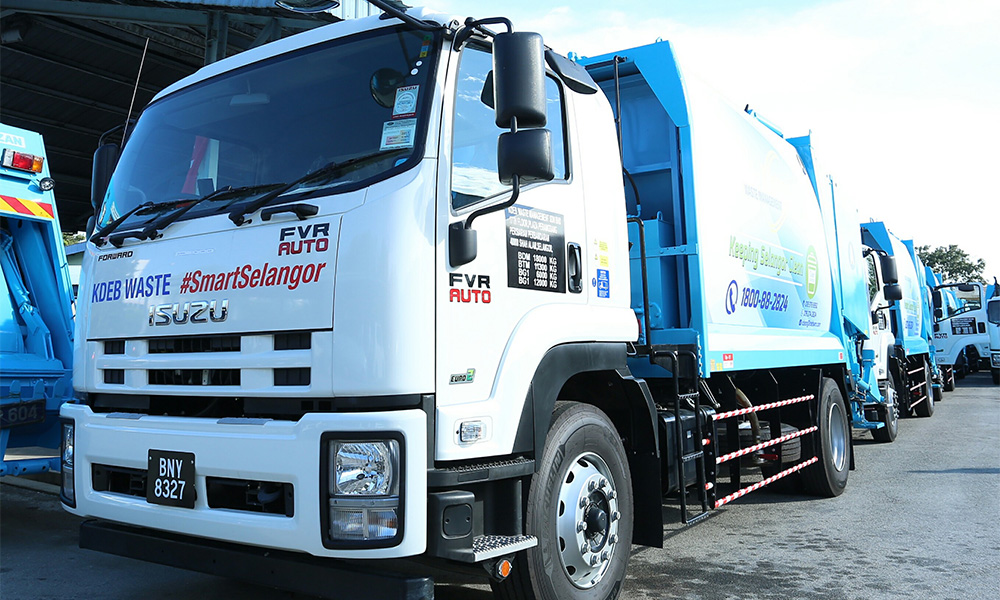
The clinical waste generated is basically classified into four different categories as stated in Scheduled Waste Regulations 2005 as SW403, SW404, SW421, and SW422.
The contractors for the management of clinical waste in Malaysia are licensed under Section 18 (Environmental Quality Act 1974) regulation provided by the DOE.
The disposal of clinical waste is done by separating the clinical waste from general waste, which are then labeled and disposed into proper containers and bags. They are then collected by licensed contractors for disposal and treatment at 12 different incineration facilities nationwide.
The waste is disposed of according to colour-coded containers or plastic bags. This is in line with the Environment Quality Act (Scheduled waste) 1989 which stipulates that all healthcare establishments in Malaysia must adopt the colour-coding standard in classifying biomedical waste.
So it can be stated that Malaysia is managing healthcare waste effectively where all waste is incinerated, and the ash disposed at the Integrated Hazardous Waste Treatment Center.
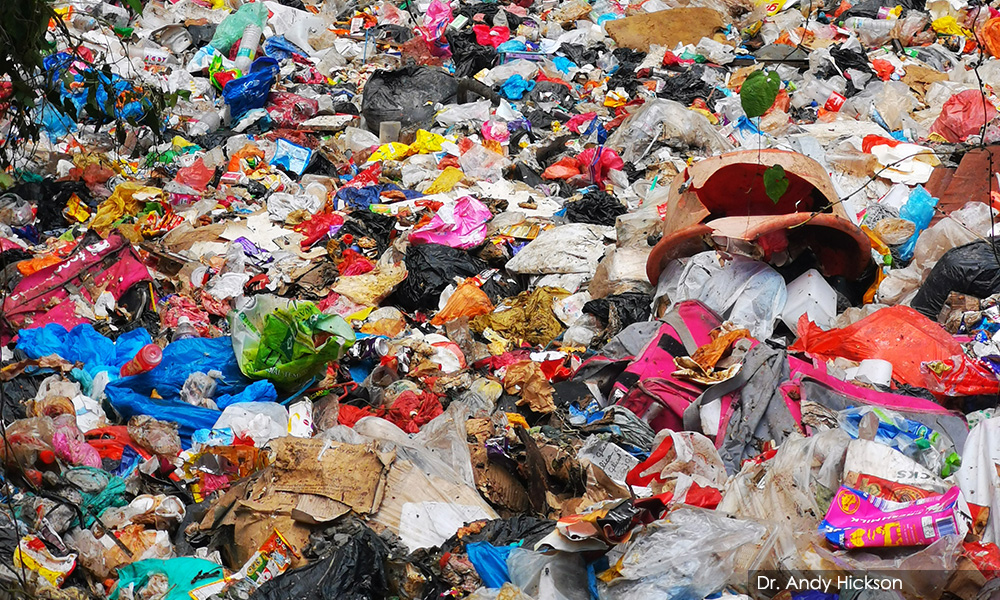
However, hazardous household waste is still an issue and often face-masks are discarded openly without much environmental concern. If not managed properly, this can lead to public health risks, releasing toxins in the environment, and possibly causing secondary transmission to humans.
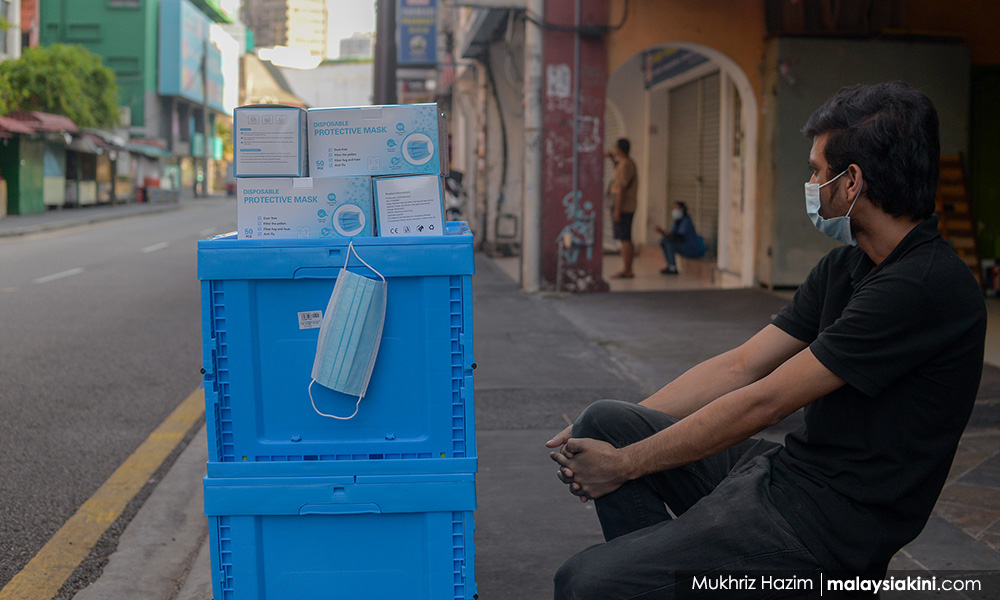
A report in medical journal The Lancet found that the coronavirus can last on a surgical mask for seven days. This waste can also reach water sources and increase river and marine pollution.
The United Nations Environmental Programme (UNEP) has called for Covid-19-related waste to be segregated at the household level. Waste containers should be sealed and kept safe from scavengers. It has also advised that waste handlers wash their hands thoroughly after sealing bags.
Waste separation is the key to waste management. This is where we can play a role. We would do well to emulate advanced waste separation practices in Japan and Korea.
As Malaysia continues to battle the pandemic, it is important for us to protect ourselves today and protect the environment for tomorrow.
[This article is partly based on a paper accepted for publication in the Waste Management and Research journal.]
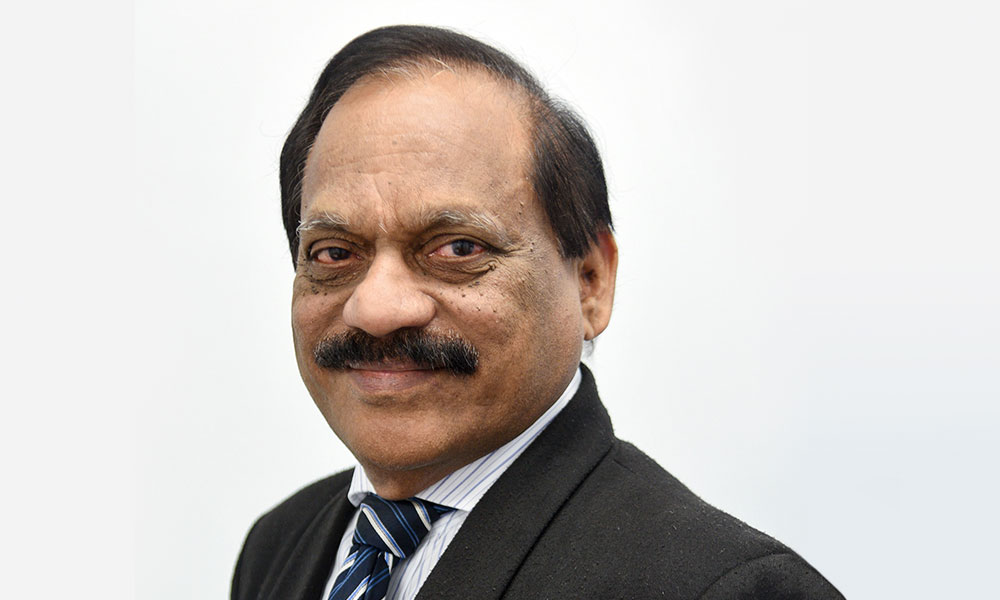
Agamuthu Pariatamby is a professor specialising in solid and hazardous waste management at Sunway University's Jeffrey Sachs Center on Sustainable Development.
The views expressed here are those of the author/contributor and do not necessarily represent the views of Malaysiakini.


Report this comment
Are you sure you want to delete this comment?
This action cannot be undone.