


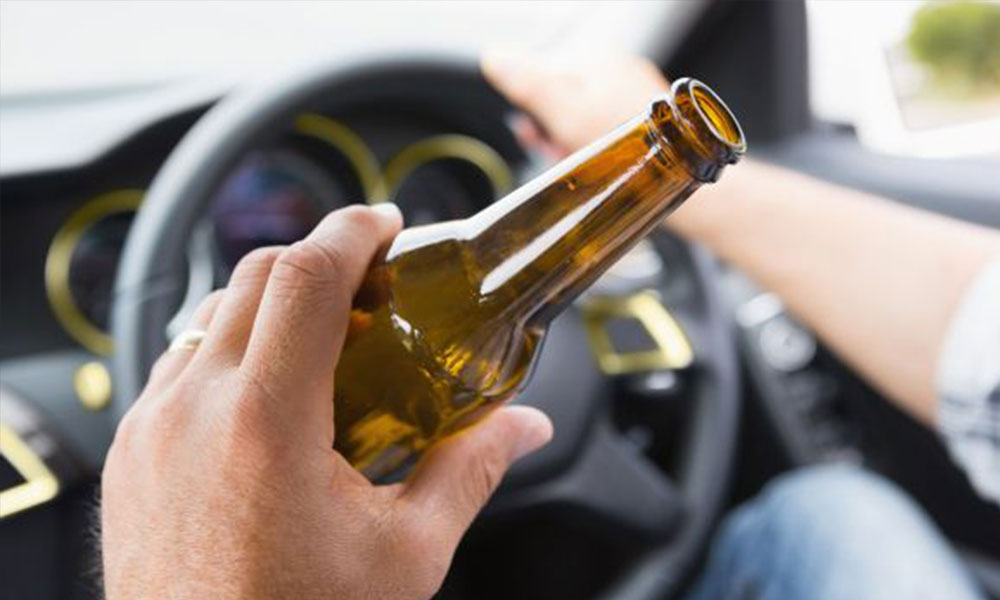

COMMENT | Disconnecting drinking from driving
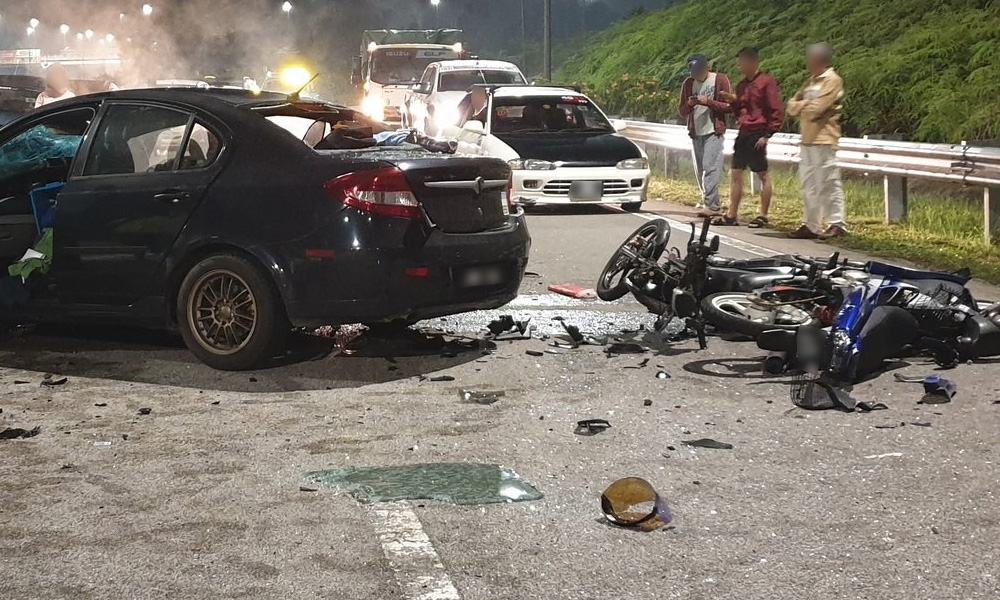
COMMENT | Have you ever driven past a collision, its car doors crumpled like a sardine can, a lifeless body pinned to the driver’s seat shrouded by an airbag, and another sprawled on the road, half-covered with a blood-stained blanket?
The gruesome scene stays with you. Then, you would wonder how two lives could have been spared if one had slowed down or stopped somewhere for a break.
Every car crash that kills is one too many. The Road Transport (Amendment) Act 2020 aims to stem this tragic trend.
Reckless and dangerous drivers will now face stiffer punishments, particularly drink drivers.
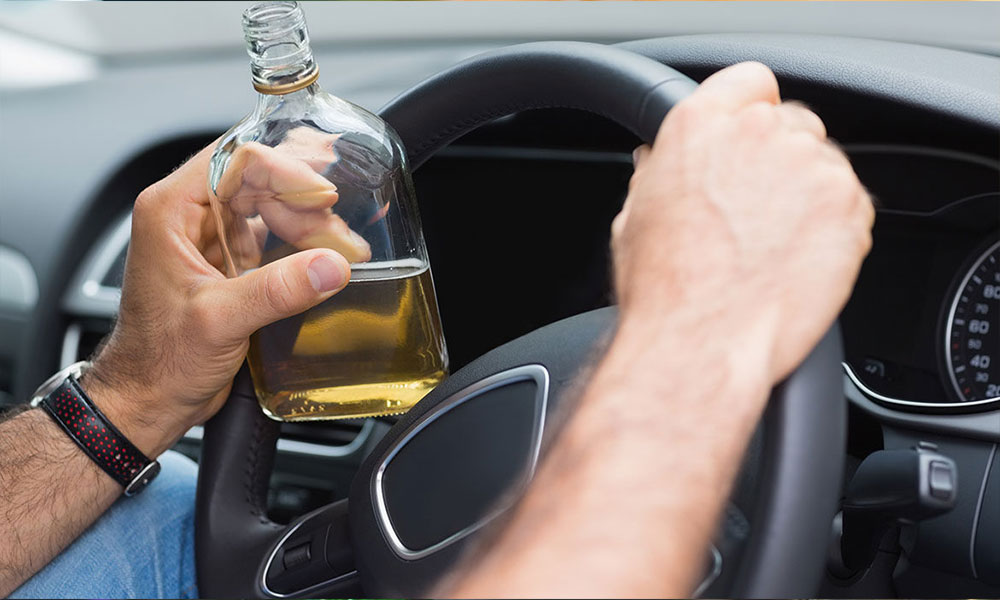
The legal blood alcohol concentration (BAC) limit of 0.08 is now 0.05. But I doubt if this will significantly reduce the number of alcohol-related road deaths...
COMMENT | Have you ever driven past a collision, its car doors crumpled like a sardine can, a lifeless body pinned to the driver’s seat shrouded by an airbag, and another sprawled on the road, half-covered with a blood-stained blanket?
The gruesome scene stays with you. Then, you would wonder how two lives could have been spared if one had slowed down or stopped somewhere for a break.
Every car crash that kills is one too many. The Road Transport (Amendment) Act 2020 aims to stem this tragic trend.
Reckless and dangerous drivers will now face stiffer punishments, particularly drink drivers.
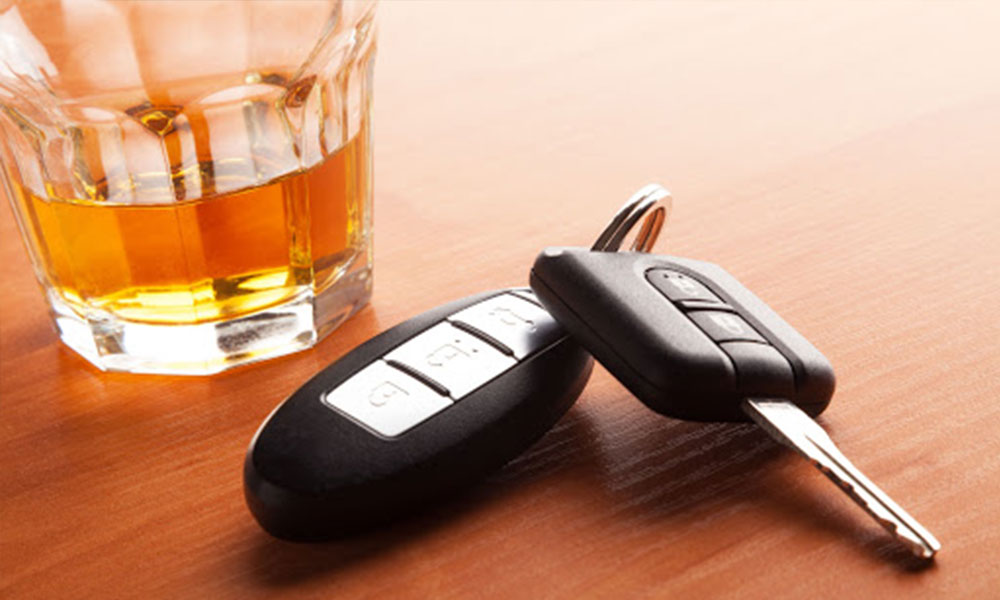
The legal blood alcohol concentration (BAC) limit of 0.08 is now 0.05. But I doubt if this will significantly reduce the number of alcohol-related road deaths.
The body typically metabolises 0.01 BAC per hour, which is roughly one (standard) drink per hour. A ‘standard drink’ generally refers to 10g of alcohol. Each 375ml can of mid-strength beer (3.5 percent alcohol) equals one standard drink.
How many drinks one can actually have before reaching 0.05 varies according to a person’s height, weight, age and, to an extent, genetic disposition.
I could chug a beer or three in good company – and exceed the BAC limit. But I would still be sober while my wife could not even tolerate a whiff of alcohol. When I drink, she drives - I’m not stupid.
Even if less than one percent of road deaths in Malaysia are alcohol-related, according to WHO global status report on road safety, the police should come down hard on aggressive behaviour by drivers of all ages – sober or drunk regardless – including the 'Mat Rempit' on the highways.
Speeding, racing, texting and chatting on a mobile phone while driving, prevalent among young novice drivers, are as potentially fatal to other road users as blowing a BAC level of 0.05.
Sections 39 to 45 of the Road Transport (Amendment) Act deal with reckless and dangerous driving offences. The stiffer penalties of structured fines range from RM300 to RM2,000 for speeding and RM8,000 to RM20,000 with jail terms of three to 10 years for drink driving that kills someone.
Stiffer punishments aside, the authorities should mandate better road-user education for learner drivers and implement higher-visibility police enforcement to clamp down on the road ragers, reckless speedsters - and drink drivers.
Road fatalities on Australian roads, for instance, are mainly caused by speeding followed by driver fatigue and alcohol. Unmarked police cars, mobile speed checks and random breath tests, especially on weekends, act as major deterrents.
In Czechia (former ‘Czech Republic’), where I visit often for short stays, zero alcohol tolerance and RBTs have contained the number of alcohol-related road crashes. This is despite the country being renowned for its pilsner, where a beer at US$1 for a half-litre is cheaper than bottled water.
Visible police enforcement in Australia and Czechia have shown to be a more powerful deterrent to drink driving than stiffer penalties, notwithstanding their sociolegal justification.
The Australian experience says it is more pragmatic to disconnect drinking from driving.
Bartenders and workers in hospitality are required to complete a Responsible Service in Alcohol certificate, which trains them “to identify and prevent possible drunk drivers before they get to the road”.
As part of the road user education campaign, all bottles, casks and cans of alcoholic beverages are required to note the number of standard drinks on their labels with a DrinkWise logo.
Anti-drink driving campaigns are used to shock young drivers into action, such as the Transport Accident Commission of Victoria’s public information commercial on drink driving, which brought me to tears watching it as I remembered my uncle, who was killed by a speeding motorist in Penang. He was only 33 years old.
'Alcohol' and 'arak' trivia
Given the religious undertones of PAS’s suggestion to restrict the sales of alcohol - if not, an eventual ban - I searched for how the word ‘alcohol’ and ‘arak’ came about.
A blanket religious rationale for prohibition overlooks the many references to the delights of wine and “sins” of drunkenness during the Old Testament period and early Arab-Islamic world.
Few of my Muslim and Christian friends occasionally indulge in wine and beer to celebrate life, notwithstanding Proverbs 23:20 that states: "Do not join those who drink too much wine or gorge themselves on meat, for drunkards and gluttons become poor, and drowsiness clothes them in rags."
The Quran acknowledges that there is ‘’some benefit’’ (in alcohol) but that the margin of error is greater than the benefit. “They ask you about wine and gambling. Say, ‘In them is great sin and [yet, some] benefit for people. But their sin is greater than their benefit . . .’ [Quran, 2 :219]
Looks like “everything is permissible, but not everything is beneficial”. Fermented beverages are one of them.
The word ‘alcohol’ is derived from ‘kuhl’, an Arabic term for a fine black powder obtained from the process of sublimation - heating a solid to gas or vapour and cooling it to obtain the refined matter. Arab women used the ‘kuhl’ as eyeliners.
The 8th-century Muslim alchemist Abu Musa Jabir ibn Hayyan is said to have designed the first alembic pot still, a contraption that allowed for the effective distillation of alcohol that is used today.
“The Arabic phrase al-kuḥl (‘the kohl’), which refers to the sublimation process, then transitioned into the English language to refer to ‘alcohol’ as it means today – an intoxicating spirit.
And, “arak” is “a Levantine alcoholic spirit in the anis drinks family. It is a clear, colourless, unsweetened anise-flavoured distilled alcoholic drink. Arak is the traditional alcoholic beverage in Lebanon, Iraq, Syria, Jordan and Palestine”.
ERIC LOO is the founding editor of the academic journal Asia Pacific Media Educator.
The views expressed here are those of the author/contributor and do not necessarily represent the views of Malaysiakini.


Report this comment
Are you sure you want to delete this comment?
This action cannot be undone.