


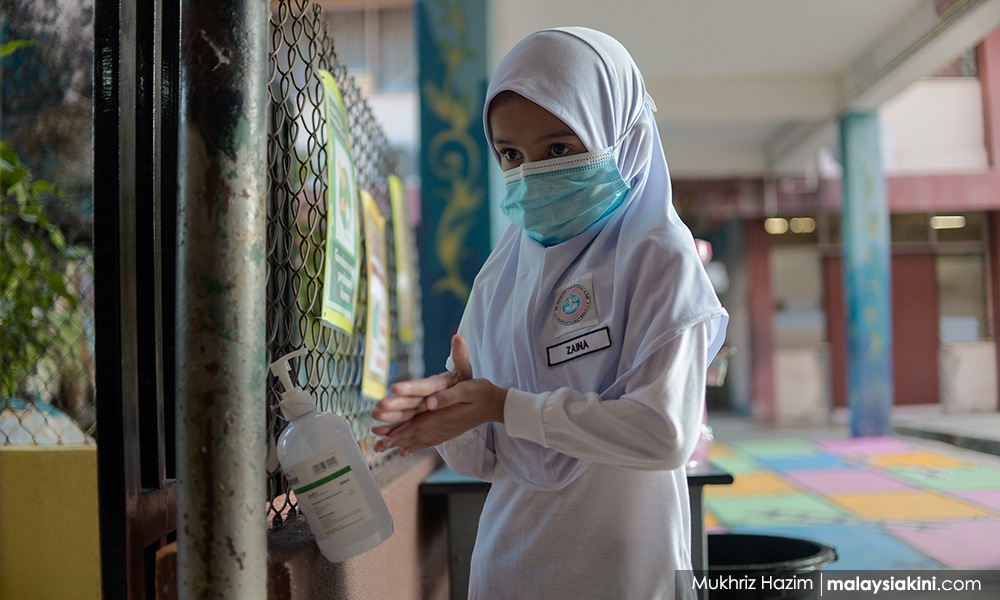

COMMENT | Covid-19 pandemic and its impact on children
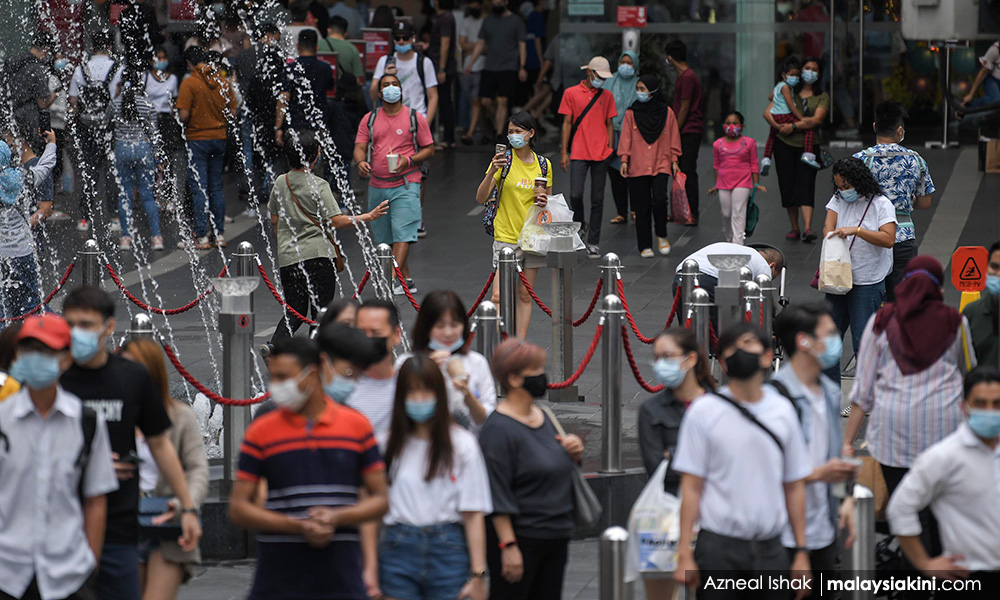
COMMENT | The Covid-19 pandemic has significantly impacted all of society, especially those in poverty or economically challenged. It has also stretched all support organisations and unmasked the failures in our systems to support marginalised individuals and families.
While we expect the Covid-19 pandemic "marathon" to last for another one to two years, even with an effective vaccine, there will be a prolonged post-pandemic recovery of another two to three years.
There is an under-appreciation of the impact of Covid-19 on children. It is likely that we will continue to see psychological morbidity, demographic change and limited educational outcomes for many generations to come. This brief write-up summarises the key impacts on children and offers some suggestions to mitigate them.
COMMENT | The Covid-19 pandemic has significantly impacted all of society, especially those in poverty or economically challenged. It has also stretched all support organisations and unmasked the failures in our systems to support marginalised individuals and families.
While we expect the Covid-19 pandemic "marathon" to last for another one to two years, even with an effective vaccine, there will be a prolonged post-pandemic recovery of another two to three years.
There is an under-appreciation of the impact of Covid-19 on children. It is likely that we will continue to see psychological morbidity, demographic change and limited educational outcomes for many generations to come. This brief write-up summarises the key impacts on children and offers some suggestions to mitigate them.
Collateral health morbidity
While the majority of children are not generally affected by serious Covid-19 illness or death, however, there is collateral morbidity and mortality for other medical conditions. Children with many other diseases have suffered a loss in progress in health status and have worse outcomes for chronic illnesses. Data on this is currently anecdotal but the general impact is considered significant.
We need to monitor delayed, incomplete and interrupted treatment using proxy disease indicators. This will offer data that will allow us to work to mitigate such effects by re-engineering our child health services to become more accessible amidst the pandemic. Moving existing paediatric services to community centres, away from hospitals, is a useful possibility to explore.
Downward poverty spiral
Prior to Covid-19, about 400,000 households lived in poverty, that is, below our poverty line income of RM2,280. This translated into approximately 1.2 million Malaysian children. The worsening poverty due to Covid-19 is expected to push another five to eight percent of the adult population, with an additional two to three million children, into serious poverty (Merdeka Centre October 2020).
Covid-19 has in effect worsened and accelerated the rich-poor divide. Data from the Unicef October 2020 Families on the Edge Report (Part 2) reports that 37 percent of inner-city families struggle to purchase food and 70 percent have difficulty meeting basic living expenses. There is a need to have a mapping of all families at risk, the development of a comprehensive safety net that does not miss any, and sustained economic support to ensure food security.
Effective measures to get resources to them require government agencies to work in partnership with civil society organisations.
The education pause button
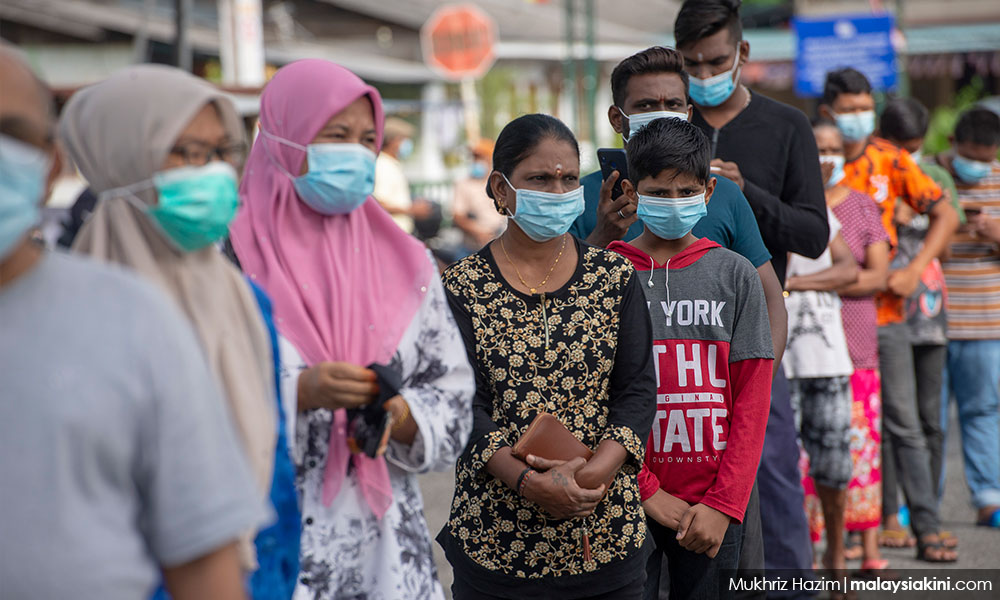
The patchy education that many children of all ages have experienced this past year due to school closures has resulted in some children losing basic skills, regressing in learning abilities and having to re-learn how to make friendships.
A Ministry of Education (MOE) survey in March-April 2020 showed that 37 percent of children did not possess any digital device and only 15 percent of students had personal computers; half relied on using smartphones. This digital divide outlines the disparity in home environments for learning during school shut-downs.
Of more concern is the data from the Unicef October 2020 Families on the Edge Report (Part 2) where one in five inner-city parents reported children had lost interest in school. We urgently need a national and community initiative to bridge this digital divide by making Chromebooks and Internet access available to children of poorer families.
As a community, we could give away our pre-loved (older) devices to poorer families. We need to keep schools and child care centres open as much as possible but with good SOPs. This will also support parents, who are poor and have no child care, to earn a living.
Worsening childhood malnutrition
The MOH National Health and Morbidity Survey 2017 showed that eight percent of all children are stunted. Som 10 percent of the children come to school without breakfast and another 60 percent have irregular breakfast. COVID-19 will worsen childhood malnutrition with long-term consequences for height growth.
The school-based Supplementary Food Programme was vital for some of these children with poor food security. We need to get schools open again safely and institute a universal school breakfast programme as a means to ensure adequate nutrition. It should be noted that due to lockdowns with decreased physical activity, some children and adults in the communities have become overweight or obese.
Trapped in abuse
There is limited data for 2020 on child abuse but reports and data from NGOs suggest a rise in local domestic violence and child abuse during the various lockdowns, as seen in many countries. The Ministry of Women, Family and Community Development (KPWKM) reported 1,929 domestic violence reports from March to October 2020, while police data suggest a decline. The KPWKM reports a decline in the number of child abuse cases reported in the first nine months of this year (3,875), while police in some states report an almost 100 percent increase in incest cases during the movement control orders (MCO).
The confused data suggests grossly incomplete coverage and reporting. Sexual and physical abuse of children occurs primarily in their own homes. It is important to realise that children are not able to tell others about abuse as they are confined to the home and not in school. This may falsely reduce reported numbers. Welfare Department officers are very busy with meeting ‘welfare’ needs of the poor at this time and anecdotal data suggest that response time for child abuse has become weaker.
We urgently need to strengthen social services staff; utilising (deputising) NGO staff to help is an option. Getting schools safely back in operation is also vital to allow abused children respite from homes.
Loss of focus and support for indigenous children
Covid-19 is a key distractor and many support services have been impaired or retarded in growth. In addition, lockdowns impair the ability of NGOs to visit vulnerable communities. There has been a loss of focus for our Orang Asli children and vital community feeding programmes have stuttered in their implementation and not grown in this pandemic year.
The vast majority of Orang Asli children are malnourished and we cannot afford to ignore these children amidst the Covid-19 crisis. The authorities should proactively enlist the support of NGOs and the community to support the food security of Orang Asli in this time period. NGOs should be facilitated to visit Orang Asli villages regularly to ensure food distribution.
Trapped by the authorities
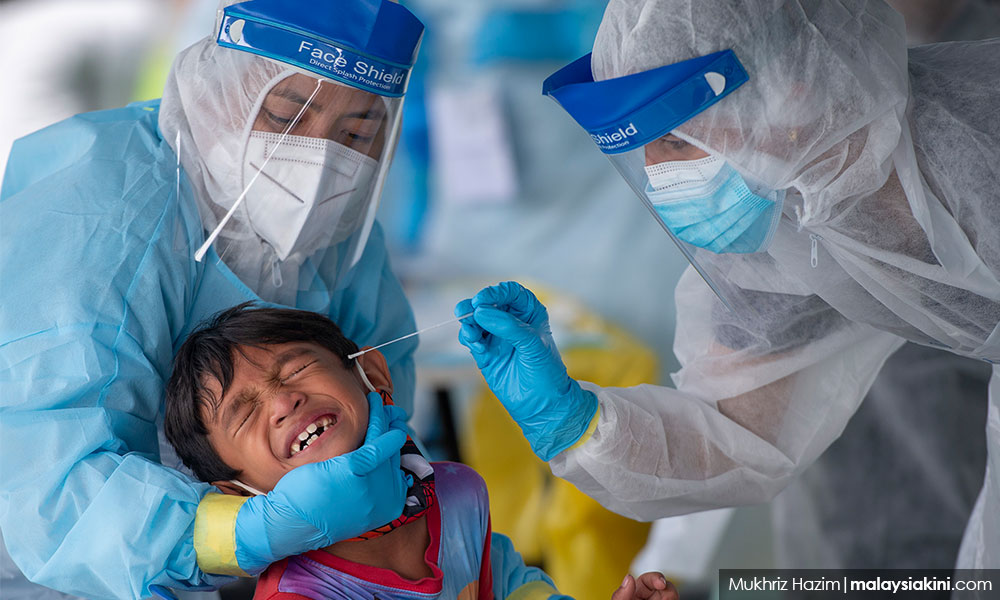
The Home Ministry reported in October 2020 that there were 756 children detained at immigration detention centres. Of these, 405 were being held without their parents or guardians present. The only "crime" these children have committed is being undocumented. With Covid-19, there has been a loss of advocacy for these children. Besides, NGOs are not able to visit them.
The UNHCR has been denied access to the detainees since August 2019. As a signatory to the UN Convention on the Rights of the Child (UNCRC) and in line with our Child Act, we have a legal responsibility to protect the rights of these and other all children in the country (including "street" children). We urgently need to move these children out of detention centres into safe shelters where they can have access to meaningful education and healthcare.
Disabling the disabled
People with disabilities are marginalised in society and continually struggle with inclusion. Covid-19 has made that struggle even harder and disrupted their routine and lives; it has become a risk to their health. Children with disabilities have a greater risk of severe Covid-19 illness and death. They have been hardest-hit by a loss of therapy and progress.
Children newly identified to have disabilities now have a later diagnosis, later therapy and hence poorer outcomes. Some children with disabilities who are isolated at home (especially autism) are not able to cope with the change in routine and parents struggle with behavioural problems.
People with disabilities also have problems receiving appropriate Covid-19 information due to vision, hearing, and cognitive impairments. Many children with disabilities who are in special education classes (PPKI classes) have not been able to get back to school for much of 2020. This is a serious loss of education and progress for them. Most Early Intervention Centres (EIPs) run by NGOs (non-commercial) are struggling due to the loss of community funding. Some will close down and others lose staff.
It is vital to keep them open as they are a lifeline to children with disability, as existing services are so limited. We suggest that the government budget to provide half their operating costs (staff pay and running fees) for the next two years as a means to keep vital services alive. We cannot afford to lose the staff and services as government services for the disabled are extremely inadequate.
A generational scar/gap
On average, there is a 1.5 to 2.5 percent reduction in total births each year. The Department of Statistics Malaysia reports that births have decreased by 5.9 percent in the July to September 2020 quarter compared to the previous year. Due to Covid-19 many couples are delaying getting married and postponing having a child. There is an associated increase in divorces. This reduction in planned births will take its full effect in 2021 where we will see a major change in births.
The reduction in yearly birth volume may last much longer after Covid-19 due to increased poverty and the need to rebuild lives. The impact of this "lost generation" will be seen in the education system (reduction in students/classes), long-term manpower needs and health considerations (increased later age pregnancies).
Polluting our children’s future
The World Health Organization recognises that 25 percent of childhood deaths (children below five years) is due to environmental pollution (Prüss-Ustün A, et al 2016). While we have had a transient improvement in air and water quality with lockdowns, the environment has been significantly affected by the worsening of deforestation and plastic pollution (from masks, PPEs and food takeaway).
Medical masks often contain plastics such as polypropylene with a lifespan of 450 years, an "ecological time bomb" (Éric Pauget 2020). This coupled with climate change will have far- reaching consequences for the children of today. We must mandate a national mask policy for the public that advocates for reusable masks.
Many nations have begun to use the Covid-19 pandemic as a catalyst to spur the economy such as using electricity-driven public transport in the city, restricting cars severely, doing more walking and cycling, and growing city green lungs in car parks.
Loss of the future
In the near future, the alphabet "C" in all the pre-schoolchildren’s books will be used to represent coronavirus. It will signify a disease or condition that is tough/hard to beat and when life is turned upside down, and filled with hopelessness.
The pandemic, with its fears and need for masks and vigilance, is making our children grow up too fast. They are becoming a "fearful generation". In tandem with the Covid-19 pandemic is a mental health pandemic.
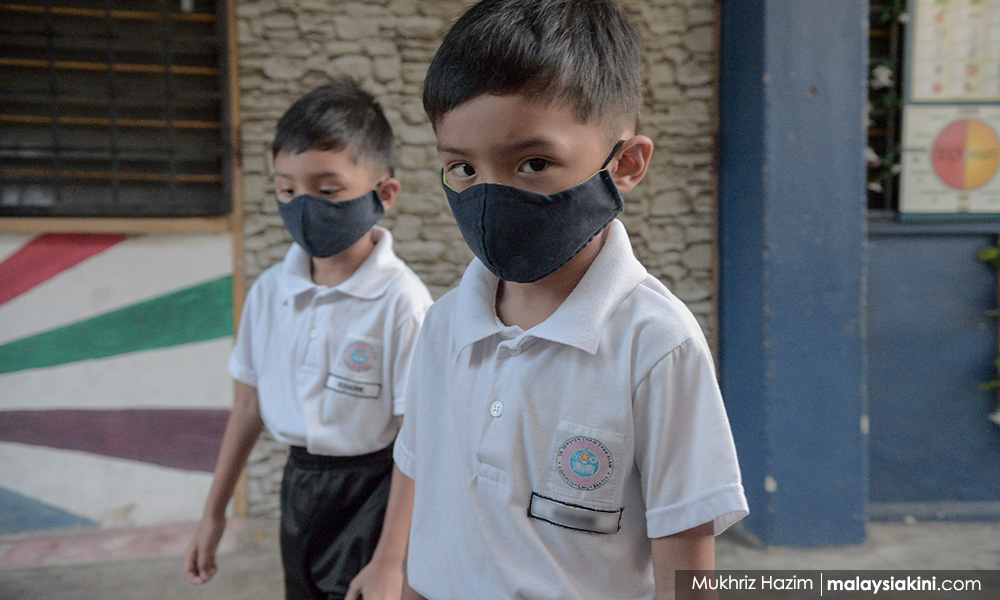
We will only come to realise in the future the full impact what this prolonged and fearful pandemic has on our children. There are and will be increased long-term phobias and fears, post-traumatic stress disorders (PTSD) and suicides.
There is an even greater likelihood for younger persons to live for the moment and not trust tomorrow; for tomorrow may bring an even worse pandemic. It is vital that parents work to build a resilient family now amidst the Covid-19 pandemic.
We must move from just survival to resilience and growth. We must stop waiting for Covid-19 to end, living our lives on a "pause button" and move to living heartfully, meaningfully today for our children.
Many of the gains we have made for child health under the Sustainable Development Goals (SDGs) may be lost or reversed. While we have expanded much of our energy thus far to "surviving" the threat of Covid-19 pandemic, we must give thought and energy and resources to building into the system mechanisms that allow our children to transcend the negative impacts of this crisis.
A failure to do so will result in many generations of our children carrying the scars of Covid-19 through adulthood.
Dr AMAR-SINGH HSS is a senior consultant paediatrician.
The views expressed here are those of the author/contributor and do not necessarily represent the views of Malaysiakini.


Are you sure you want to delete this comment?
This action cannot be undone.