
COMMENT | What Najib and MCA have in common
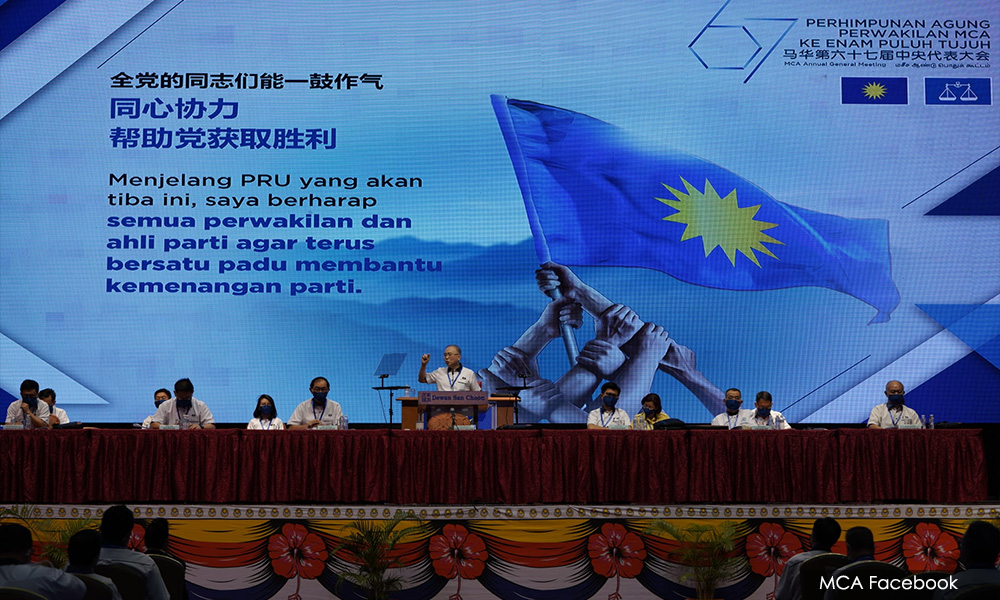
COMMENT | Everyone laughed when MCA announced it could start accepting non-Chinese into the party, but I wasn’t one of them. Granted, MCA is not accepting non-Chinese as full members; only associate members without voting rights.
Many criticisms point to the obvious: There is no demand for MCA in the membership market, nor will the inclusion of non-Chinese improve MCA’s image or chances in the election. I concur that MCA’s problems are more deep-seated than what a simple change of membership rules could resolve. But I also think that any consideration of efficacy is missing the point.
The crucial insight here is the inevitability of multiracialism as a prerequisite in all political parties.
What brought MCA from an electoral powerhouse to a dismal two-seat party, commonly a subject of ridicule, is more than a few embarrassed and impotent leaders. One of the primary reasons for its decline was the unsustainability of its...
COMMENT | Everyone laughed when MCA announced it could start accepting non-Chinese into the party, but I wasn’t one of them. Granted, MCA is not accepting non-Chinese as full members; only associate members without voting rights.
Many criticisms point to the obvious: There is no demand for MCA in the membership market, nor will the inclusion of non-Chinese improve MCA’s image or chances in the election. I concur that MCA’s problems are more deep-seated than what a simple change of membership rules could resolve. But I also think that any consideration of efficacy is missing the point.
The crucial insight here is the inevitability of multiracialism as a prerequisite in all political parties.
What brought MCA from an electoral powerhouse to a dismal two-seat party, commonly a subject of ridicule, is more than a few embarrassed and impotent leaders. One of the primary reasons for its decline was the unsustainability of its race-based model to a multiracial country like Malaysia.
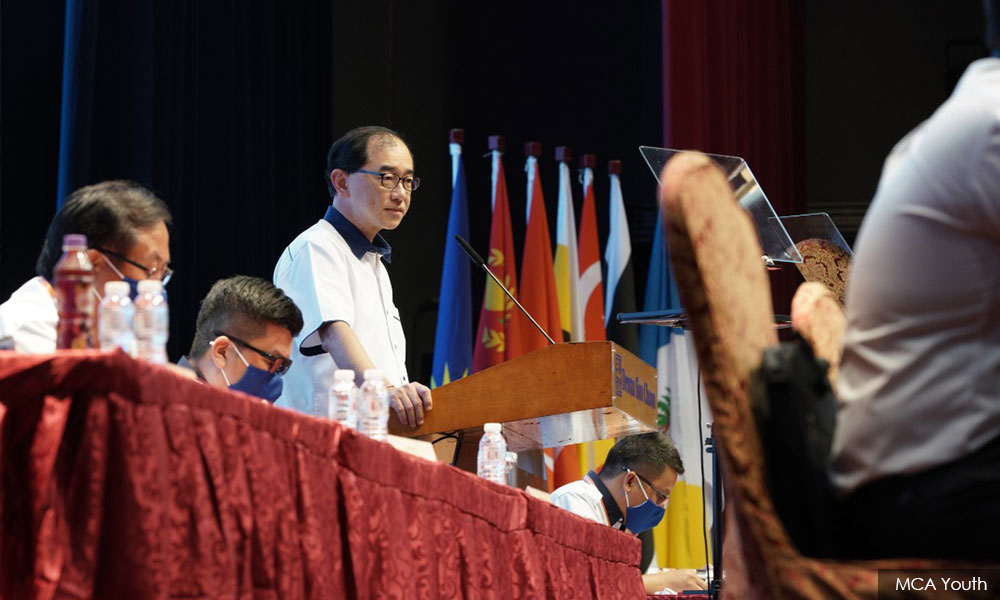
The consociational model of having each political party (Umno, MCA, MIC) to represent the three biggest races was innovative to build a compromise at the time of independence, but only at that time. To build a country from there requires substantive cooperation and cross-racial interactions that are more than a piecemeal solution.
Breaking MCA’s Chinese veneer
Although MCA does not represent the future, they are a fabric of our past. While they recognised this ought to be only a stop-gap measure for a diverse place like Malaysia, the sensation of having power was exhilarating. Barisan Nasional and its component parties manipulated racial differences to consolidate political strength, and MCA grew to be a hegemon in the non-Malay market.
Even until as recently as 2004, MCA was able to garner as many as 31 seats in Parliament, and over a million votes in total. Any governing party would find MCA as a useful additive to their governing fuel.
This means MCA opening up to non-Chinese as associate members is a big deal. They are admitting to a reality that every Malaysian has long accepted on the ground: Multiracialism is inevitable. The force of a multiracial society is so overwhelming that MCA is willing to take action that fundamentally challenges its identity and voting base. The voice of democracy - our voice - still counts.
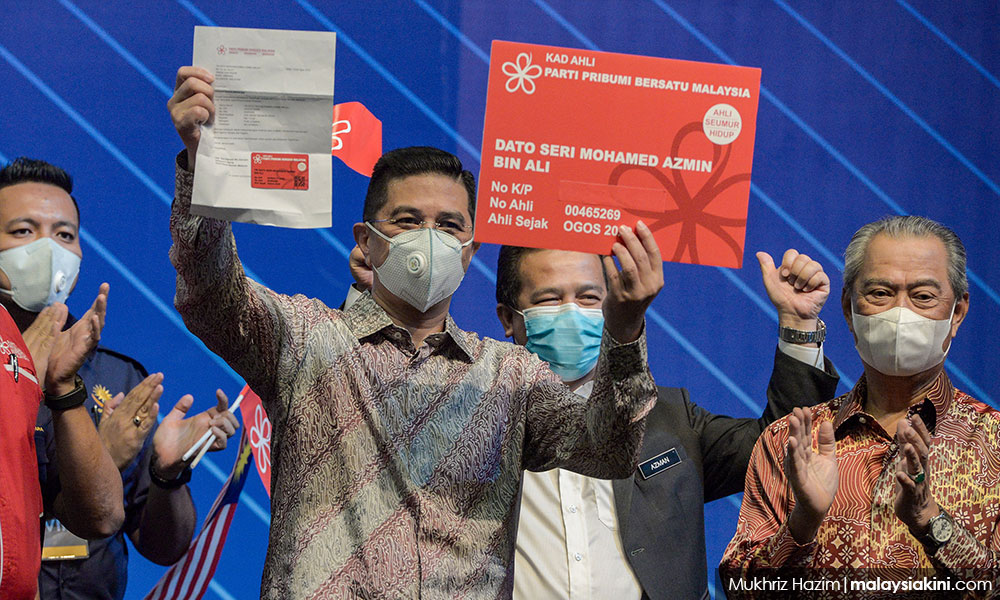
Around the same time, former DAP members Paul Yong and A Sivasubramaniam have joined a bumiputera-only party, Bersatu, as associate members.
At its inception five years ago, Bersatu was hesitant to allow non-bumiputera associate membership because they were afraid it would make their bumiputera identity impure. But once again, the inevitability of multiracialism is stronger than their outdated outlook, so they allowed it. They are even considering to amend their party constitution to allow for fuller participation of non-Malays in the party.
Almost all parties formed in recent years have associate membership for non-core races. Now, any party without non-core races are considered an exception rather than the norm.
Najib thinks multiracialism too
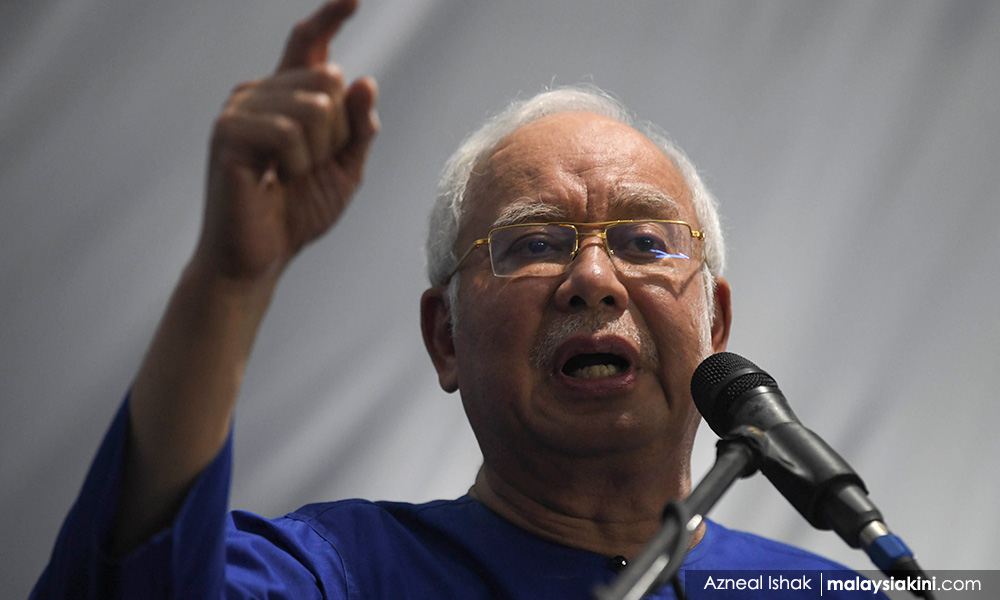
Two weeks ago, Najib sang to a similar tune. For the first time, a beneficiary of the Malay-unity project of the Umno-Bersatu-PAS tie-up has publicly challenged its concept. He said that it is easy to be carried away with the Malay-Islam rhetoric, and we ought to pay attention to the details before committing to a catch-all Malay-Islam support.
This was a conceptual underpinning that divides Bersatu and Umno. The collaboration between the three Malay-Muslim parties was in pursuit of power and not protecting race, religion, and identity. The personalities are not archetypal racial-religious defenders, nor have they pursued policies that reflect that baser tribal instinct. A spanner to the racial-religious purity project will fall immediately when it is no longer convenient.
I know these are not the best examples of the progress we are making as a country. None of these examples also prove that MCA, Bersatu or Najib are true believers in a multiracial party.
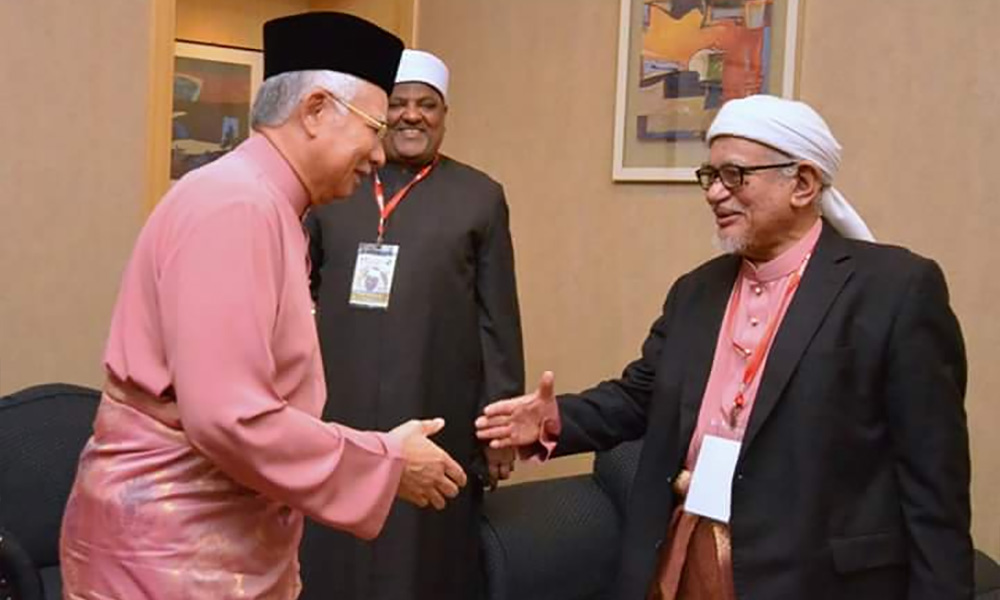
The most likely reason for all of them to act in the way they did was for self-preservation and an egoistic venture of staying in power.
MCA wants to scrape the bottom of the barrel to stay alive. Paul Yong and A Sivasubramaniam have no other party that would accept their infamous history, and Bersatu would not mind more elected representatives under their belt - after all, Bersatu is the party that takes in anyone without question. Najib is crossed with Bersatu’s ingratitude and arrogance against Umno’s contribution to Bersatu’s enjoyments.
Hungry politicians
But even in this series of bleak affairs, there is still something positive to be said. All political players realise that their problems are not defined by race, and race does not solve their problems.
Being Chinese-centric and race-based will not return MCA to its former glory, and the real problems of having timid leaders, a bankruptcy of new ideas, and a lack of wholesale reform are not defined by race. Bersatu also realised that the friends who think like them, Yong and Sivasubramaniam are not necessarily Malay-bumiputera. Najib also realises that the country is more diverse than Malay-Muslims, and “we must not forget that there are many non-Muslims in Sabah and Sarawak”.
You may think I am reading too much into this. But this has been the story of Malaysia for quite some time now: The confluence of the people’s goodwill and the accidental progressivism from hungry politicians.
JAMES CHAI is a legal consultant and researcher working for Invoke, among others. He also blogs at jameschai.com.my. You may reach him at jameschai.mpuk@gmail.com.
The views expressed here are those of the author/contributor and do not necessarily represent the views of Malaysiakini.