
COMMENT | Does public need to know? Media's role in reporting pandemic
COMMENT | Last week, a local daily reported on the death of a medical frontliner who suffered a fatal heart attack. On a regular news day, this would not be notable but the frontliner had received the Covid-19 vaccine and the translated headline read simply as “Nurse who received vaccine dies of heart illness”.
While not incorrect, the arrangement of the headline and the fact that it was presented as news, would invariably lead people to the false conclusion that the death may have been caused by the vaccine.
This incendiary headline drew ire from the coordinator of the National Covid-19 Vaccination Programme, Khairy Jamaluddin, who condemned the news outlet for spreading misinformation and damaging public confidence in the vaccination process. The daily then posted a retraction with an apology.
This is an interesting case as it highlights the role and importance of the media in presenting relevant news and information that shapes the...
COMMENT | Last week, a local daily reported on the death of a medical frontliner who suffered a fatal heart attack. On a regular news day, this would not be notable but the frontliner had received the Covid-19 vaccine and the translated headline read simply as “Nurse who received vaccine dies of heart illness”.
While not incorrect, the arrangement of the headline and the fact that it was presented as news, would invariably lead people to the false conclusion that the death may have been caused by the vaccine.
This incendiary headline drew ire from the coordinator of the National Covid-19 Vaccination Programme, Khairy Jamaluddin, who condemned the news outlet for spreading misinformation and damaging public confidence in the vaccination process. The daily then posted a retraction with an apology.
This is an interesting case as it highlights the role and importance of the media in presenting relevant news and information that shapes the public interest.
The headline can be seen as semantically correct, but its publication as news and headline arrangement can only be interpreted as intentional to allude to a particular meaning if read hastily. It is important to note that the daily technically did not lie but was reckless and careless in its presentation.
At present, public engagement with the vaccine is low which indicates that there is a strong case of vaccine hesitancy that is prevalent among Malaysians.
For readers who are hesitant, headlines like these can result in snap judgements that subsequently lead to the spread of misconceptions and misinformation about the vaccine.
It is important to note that the article itself did not state that the vaccine was the cause of death and anyone who read it would not have arrived at that conclusion, but this alludes to a larger problem where Malaysians generally make snap judgements just by reading the headlines.
The media is of course aware of this which results in the use of clickbait headlines like this to draw clicks and traffic to their sites. The media needs to stop this unethical practice that sows public discord for the sake of profits.
Despite the inflammatory nature of the story, that does not mean that the media must blindly support the health policy mandate to improve the acceptance of vaccinations.
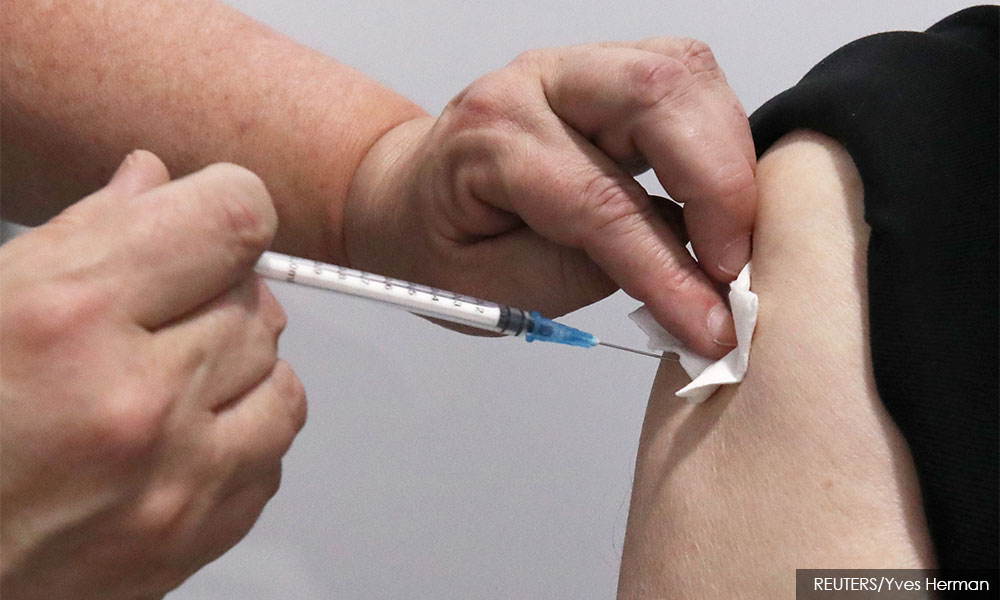
In playing its part to assist in increasing public support for vaccinations, it must also continue to play a role in monitoring the government. This includes doing in-depth investigations, scrutinising government policies and highlighting important information that the public needs to know.
If indeed there were deaths that were caused by the vaccine, then it would be the media’s responsibility to report it to the public and not suppress that information to ensure public compliance with the vaccine. The people have a right to know of the risks involved if there are any.
The media play an important role in setting the agenda for public discourse and are instrumental to ensure the efficacy of comprehensive health policies, especially in a pandemic.
But the media also needs to remember that it must continue to remain vigilant in the event certain parties take advantage of these conditions for their own selfish gains.
When the public knows that the media are keeping the government accountable and honest, so too will their support and trust in the government and its pandemic-related policies.
There are existing media outlets that are doing their part to serve as the vanguard for the public, but it is not enough.
Without enough reliable media, people seek information from less reputable sources, further eroding trust in government pandemic policies as conspiracies and fake news start to dominate public discourse.
That cannot be allowed to happen, and the media needs to step up to protect the public interest.
BENJAMIN YH LOH is a senior lecturer at the School of Media & Communication, Taylor’s University.
The views expressed here are those of the author/contributor and do not necessarily represent the views of Malaysiakini.