




COMMENT | Will the Pemulih package restore recovery?
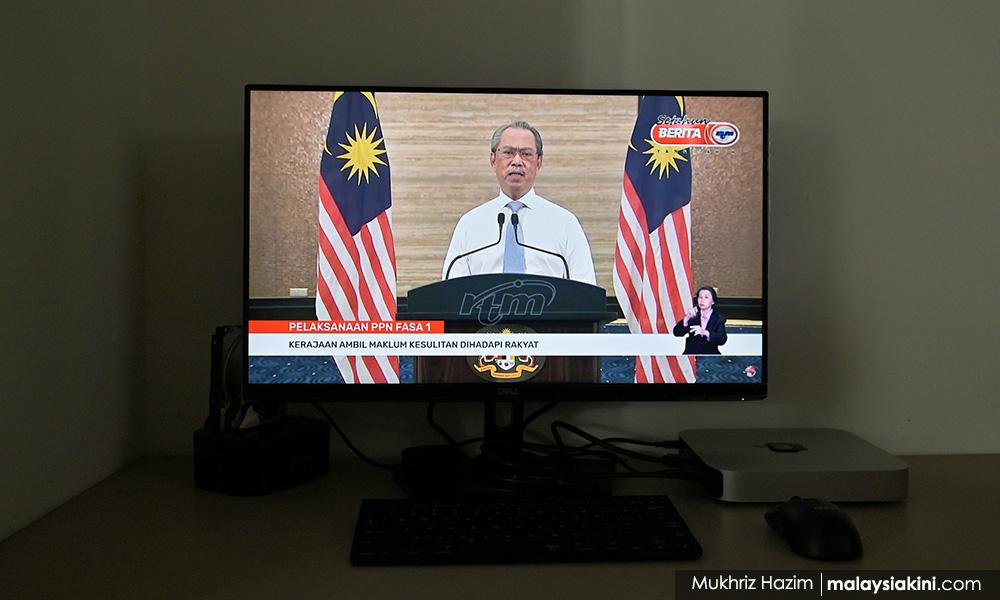
COMMENT | The RM150 billion announced by Prime Minister Muhyiddin Yassin in the new Pemulih stimulus package is certainly a headline-grabbing figure and close to our estimated cost for the lockdown, which is just shy of RM170 billion.
It is very unclear how the government got to the RM150 billion total based on the list of initiatives announced but what is clear is that just like before, the direct injections are small relative to the total at only around 6.7 percent of the headline figure.
The details show about RM10 billion in direct cash transfers with RM4.6 billion for the Bantuan Khas Covid-19 (BKC) scheme and RM3.8 billion for the extended wage subsidy programme. This will help the poorest but only with small, delayed and sporadic assistance.
The wealthy will have to rely on their own resources in the EPF withdrawals, estimated to be worth RM30 billion under the new i-Citra scheme. At RM5,000 maximum per person, this suggests only six million of the 15 million EPF account holders have enough left to use this scheme or put another way, that nine million don't have enough anymore...
COMMENT | The RM150 billion announced by Prime Minister Muhyiddin Yassin in the new Pemulih stimulus package is certainly a headline-grabbing figure and close to our estimated cost for the lockdown, which is just shy of RM170 billion.
It is very unclear how the government got to the RM150 billion total based on the list of initiatives announced but what is clear is that just like before, the direct injections are small relative to the total at only around 6.7 percent of the headline figure.
The details show about RM10 billion in direct cash transfers with RM4.6 billion for the Bantuan Khas Covid-19 (BKC) scheme and RM3.8 billion for the extended wage subsidy programme. This will help the poorest but only with small, delayed and sporadic assistance.
The wealthy will have to rely on their own resources in the EPF withdrawals, estimated to be worth RM30 billion under the new i-Citra scheme. At RM5,000 maximum per person, this suggests only six million of the 15 million EPF account holders have enough left to use this scheme or put another way, that nine million don't have enough anymore.
Taken together, the direct injection and i-Citra are worth around RM40 billion, which is lower than our suggested RM60 billion necessary to provide a significant consumer-based stimulus.
So, essentially, the government is finding part of the necessary cash injections but rather than fund it through debt or printing money, they are getting more than half of it funded by the people themselves.
Actually if you look at the total withdrawals from EPF, including RM19.45 billion under i-Lestari, RM57.97 billion approved under i-Sinar and now RM30 billion estimated under i-Citra, this is more than RM107 billion compared to RM86.6 billion in direct injections from all packages, including this new Pemulih scheme. Based on this comparison, the rakyat are paying out of their own pockets for the lockdowns.
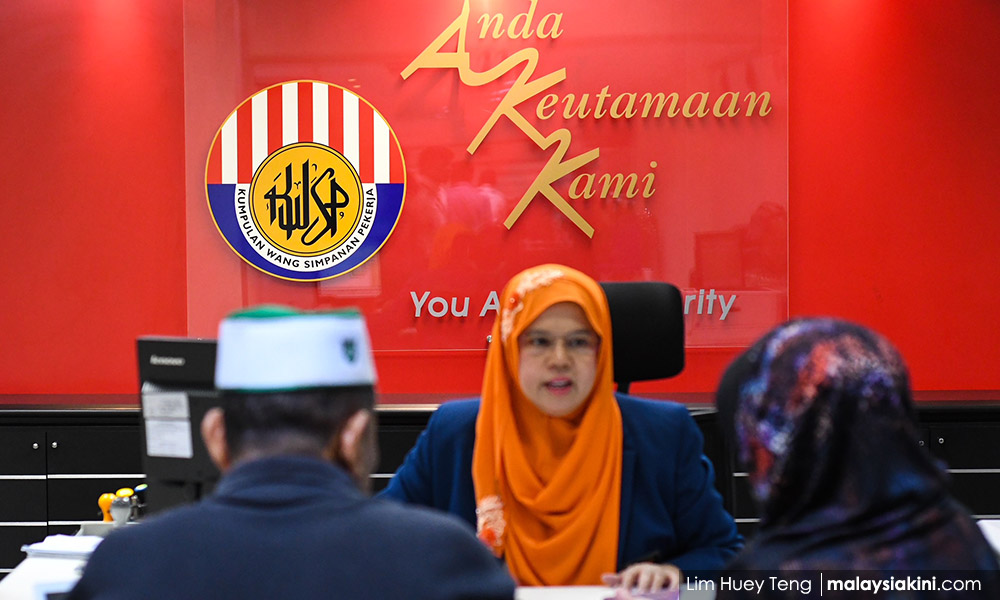
In fact, EPF had budgeted around RM30 billion more from i-Sinar than was actually applied for and approved so the i-Citra scheme is little more than a replacement for that. Around RM7 billion of the i-Sinar withdrawals have yet to be paid. Since there wasn’t a full appetite for the amount available the last time, there is a question as to whether the full RM30 billion available under i-Citra will in fact be used.
A compromise has been reached on the loan moratorium by allowing opt-in but automatic approval for consumers while for SMEs, they will still have to go through an application vetting procedure. So it remains to be seen what impact that will have. The attractiveness of the offer is very uncertain and not what the SME associations were calling for.
Something that may be overlooked but is similar in effect is the moratorium on payment of takaful and insurance premia, which will benefit one million people to the tune of RM2.6 billion or RM2,600 on average. But again, this is conditional and only for those affected by the pandemic.
One million people have lost their jobs...
In terms of the social impact, the government has acknowledged what was confirmed by new data from DOSM, that one million people have lost their jobs due to the lockdowns, either through direct unemployment or underemployment in the form of shorter working hours or taking lower-paid, lower-skilled jobs after losing their normal positions. The RM500 one-off handout will be very disappointing compensation for that.
The rest is the usual list of projects for special interest groups, which won't help the masses and won't have much economic impact.
The assistance for OKU will, of course, be welcome but why are only 20,000 to benefit when there are 560,000 OKU registered with the Social Welfare Department?
Similarly, the RM400 million loan relief for 1.6 million students is not generous as it's only RM250 each or RM84 per month. The BKC payments are also small and spread out over several months.
Overall, we will have to look at the fine details but we do not see that this new Pemulih will inject RM150 billion into the economy any more than the previous packages injected RM380 billion.
Although these are the headline figures, the actual stimulus is much lower because the money doesn't filter to the intended recipients. In this case, the handouts will be staggered and will not start until August, at the earliest in most cases. This means the poorest and those hit hardest will have to wait longer.
With such a small direct injection worth less than seven percent of the total, the full impact of the Pemulih package is uncertain. Much will depend on how many people draw down their life savings and push their ever-increasing debt further into the future.
What is certain is that while we are still in lockdown, any economic stimulus will not be fully effective - you can't put one foot on the accelerator while you still have the other on the brake.
PAOLO CASADIO is an economist at Help University and GEOFFREY WILLAIMS is an economist at Malaysia University of Science and Technology.
The views expressed here are those of the authors/contributors and do not necessarily represent the views of Malaysiakini.




Report this comment
Are you sure you want to delete this comment?
This action cannot be undone.