


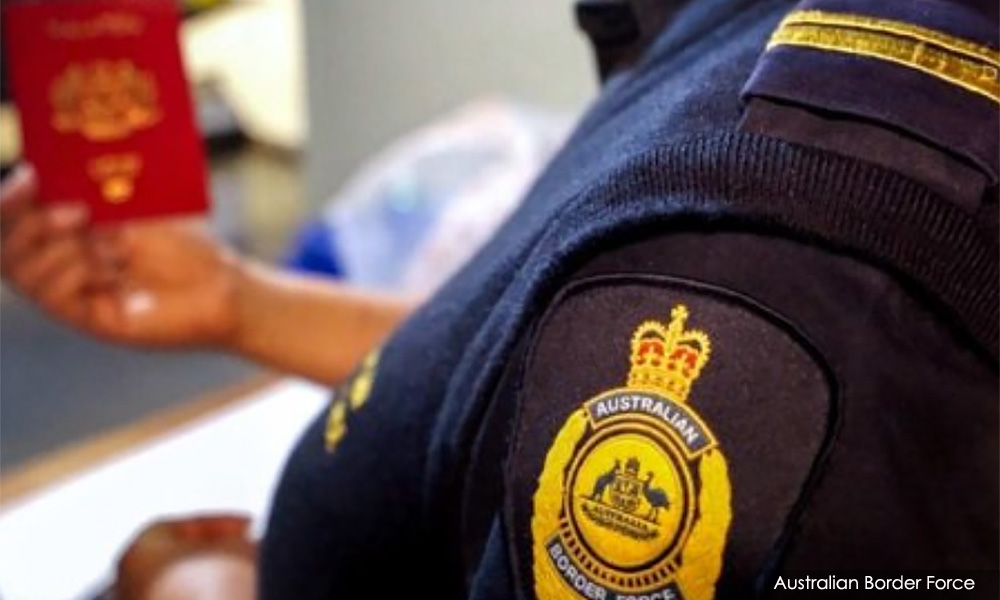

COMMENT | What’s Putrajaya doing about passport renewal delays in Australia?
COMMENT | Malaysians in Australia are waiting close to a year for an appointment to present their passport for renewal at the High Commission in Canberra and Consulate General in Melbourne. Which, by the way, is not that newsy.
What’s newsier is this: the Consulate General in Melbourne has only one passport machine, two immigration officers and three assistants to process the applications, according to a recent report.
And, this is despite the three diplomatic missions (Canberra, Melbourne and Perth) apparently clearing close to 10,000 renewal applications a year, presumably before the Covid-19 lockdowns.
Given that the diplomatic missions work under the directives of the Foreign Affairs Ministry, and passports fall under the purview of Home Affairs, the news report stopped short of asking the real question.
What is Putrajaya doing to address the systemic problem of unbelievably long delays in...
COMMENT | Malaysians in Australia are waiting close to a year for an appointment to present their passport for renewal at the High Commission in Canberra and Consulate General in Melbourne. Which, by the way, is not that newsy.
What’s newsier is this: the Consulate General in Melbourne has only one passport machine, two immigration officers and three assistants to process the applications, according to a recent report.
And, this is despite the three diplomatic missions (Canberra, Melbourne and Perth) apparently clearing close to 10,000 renewal applications a year, presumably before the Covid-19 lockdowns.
Given that the diplomatic missions work under the directives of the Foreign Affairs Ministry, and passports fall under the purview of Home Affairs, the news report stopped short of asking the real question.
What is Putrajaya doing to address the systemic problem of unbelievably long delays in processing Malaysian passports in Australia?
State and territory border closures to non-essential travels in Australia this year have led to an unexpected surge in online applications.
Those holding Malaysian passports of less than six-month validity are plainly screwed. They cannot travel overseas except to Kuala Lumpur by direct flight on MAS to renew their passport.
The fluctuating cost and frequency of MAS direct flights, coupled with the rigmarole of quarantine requirements are no comfort either as displayed in frustrated Facebook posts by Malaysians in Australia and Malaysian Quarantine Support Group.
The Consulate General in Melbourne, according to a personal source, receives close to 30 walk-in applicants on a normal day. This means, in theory, processing about six applications hourly per working day.
A source from Canberra said requests for “extra resource” to clear the backlog were submitted to Putrajaya in March. To date, the relevant ministries are still sitting on it.

Dismal lack of urgency
The High Commission’s organisational chart shows 13 diplomatic personnel currently work in-house, excluding seven locally recruited clerks and a receptionist.
This compares to 12 at the Consulate-General in Melbourne, including two immigration officers and three immigration assistants. (Passports are only issued in Melbourne, which also processes “urgent applications” from Malaysian residents in New Zealand wherein all other applications are sent by diplomatic bag monthly to Putrajaya for clearance and issuance).
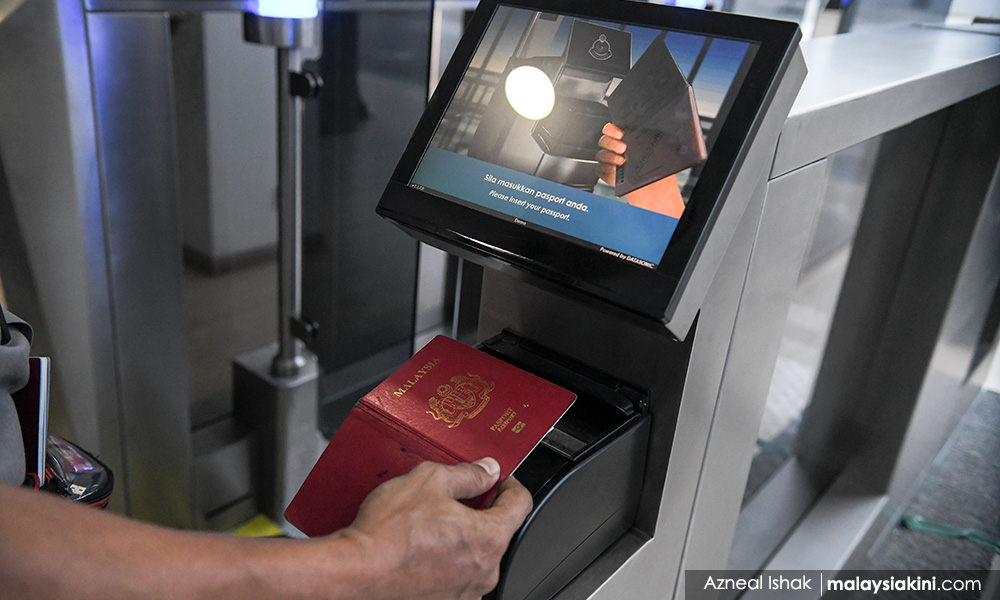
Installing an additional high-security passport-issuing machine at the Melbourne consulate by the Malaysian vendor is highly unlikely. (Comments from Datasonic Technologies unavailable at the time of writing).
A better explanation is the dismal lack of urgency from Putrajaya in addressing the plights of Malaysian residents in Australia, notwithstanding the online flak thrown at consulate staff.
Or, as social media chats have it, the government seems to treat those who chose to leave Tanah Air for various reasons as a ‘disloyal’ lot who are relatively inconsequential voters - if they ever vote at all. Hence, their low political priority.
I wrote recently that inaccessibility to diplomatic staff – and confusing Facebook notices from the High Commission and Consulate-General – do underscore a critical need to review the standard operating procedure and duty of care for Malaysians in Australia.
Meanwhile, an FAQ page, which curiously also displays strings of strike-through texts, recently published by the High Commission has clarified some of the ongoing issues and placed the backlog in context.
However, the frustration of Malaysians needing to return home will linger as long as their expiring passports prevent them from visiting family and kin in other countries.
Protracted passport renewals, nevertheless, are happening globally since the pandemic have restricted economic activities and delimited social interactions.
The critical difference is that governments in advanced economies have taken proactive steps, for instance, in hiring additional staff to put in extra hours to clear the backlog and upgrade the online application system. But, not our foreign affairs and home affairs ministers.
The convenience in accessing a public service as fundamental as applying for an international passport and renewing it online for five or 10 years has prompted some to doubt their national ties.
As a friend and former Malaysian journalist who has lived in a country town for years quipped: “My (Malaysian) passport expires in 2023. Better I take up Oz citizenship instead of having to be at their (immigration department) mercy.”
That last resort does not imply an ugly divorce from the homeland.
It’s more of an amicable separation - a separation from a political system that still marches to the beat of one step forward with Pakatan Harapan in May 2018, and many steps back with the Sheraton Move in February 2020, and lately, the small-minded politicising of Hannah Yeoh wearing a tudung during her visit to a mosque, and moralising by theocratic ideologues (cigarettes, alcohol, gambling – and, yes, sex too).
ERIC LOO is the founding editor of the academic journal Asia Pacific Media Educator.
The views expressed here are those of the author/contributor and do not necessarily represent the views of Malaysiakini.


Report this comment
Are you sure you want to delete this comment?
This action cannot be undone.