



COMMENT | Peace, not conflict, is what world needs in this troubled time
COMMENT | The world is embroiled in conflicts, some took decades to be settled, others endlessly continue, all of them have had devastating consequences.
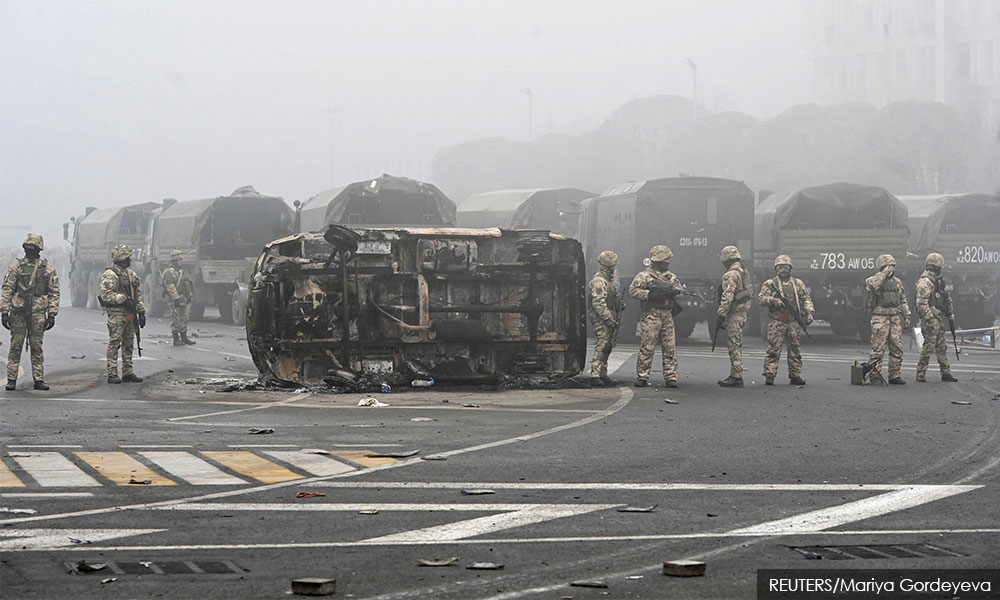
From Palestine to Afghanistan, Syria to Libya, Yemen, Ukraine and now Kazakhstan, the people long for peace and prosperity but do not have peace, either due to the lack of political will of the parties involved or because of their inability to settle the conflicts peacefully, or the interests of “war profiteers” require that the conflicts be prolonged.
While many existing conflicts remain unresolved, new hotspots are emerging, which, if not settled amicably, could lead to fresh wars that will benefit no one, except those who derive profit from them by selling their weapons.
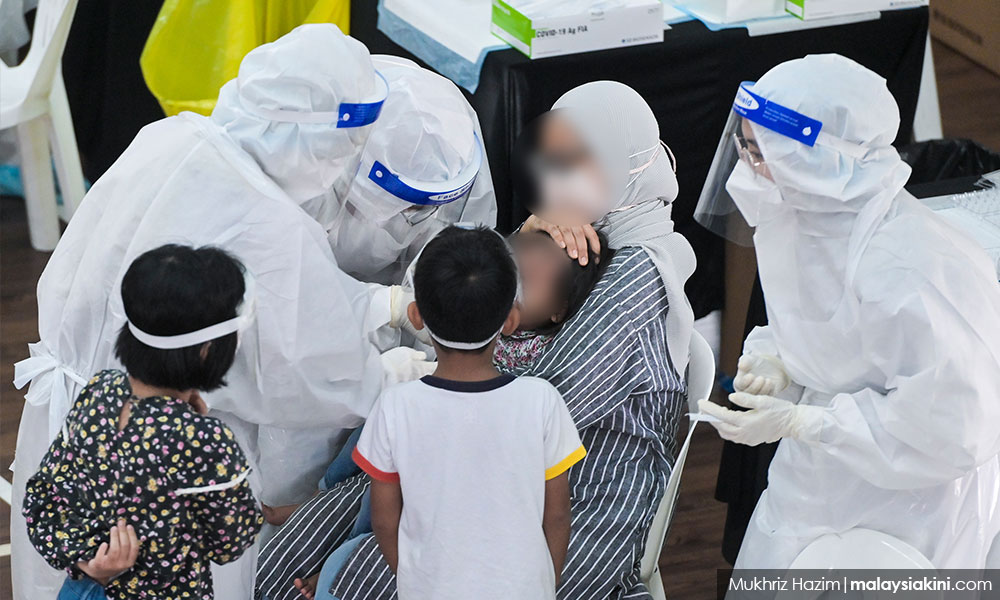
Armed conflict exacerbates the difficult situation created by the Covid-19 epidemic in war-torn countries, where access to primary health care and coronavirus vaccination is severely hampered.
Peter Maurer, president of the International Committee of the Red Cross (ICRC), rightly stated that “the world’s uneven response to Covid-19 and the fast rise of the Omicron variant shows how vulnerable we all are when large parts of the world aren't vaccinated.”
The ICRC, which since its inception in 1863, has worked to protect and assist victims of armed conflict and other situations of violence, "estimates that more than 100 million people now live in areas controlled by non-state armed groups."
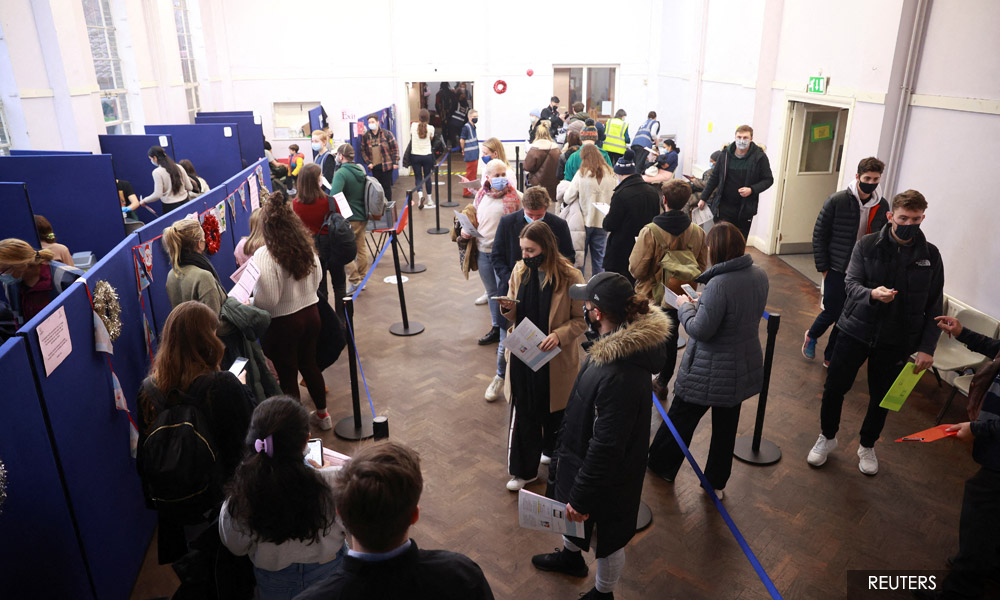
Peter said, “if we want to end the Covid-19 epidemic, it is an absolute necessity to vaccinate people living in particularly fragile conditions - those displaced, marginalised or detained, the urban poor, and those living through violence and conflict.”
This means getting rid of "coronavirus disease" requires...
COMMENT | The world is embroiled in conflicts, some took decades to be settled, others endlessly continue, all of them have had devastating consequences.
From Palestine to Afghanistan, Syria to Libya, Yemen, Ukraine and now Kazakhstan, the people long for peace and prosperity but do not have peace, either due to the lack of political will of the parties involved or because of their inability to settle the conflicts peacefully, or the interests of “war profiteers” require that the conflicts be prolonged.
While many existing conflicts remain unresolved, new hotspots are emerging, which, if not settled amicably, could lead to fresh wars that will benefit no one, except those who derive profit from them by selling their weapons.
Armed conflict exacerbates the difficult situation created by the Covid-19 epidemic in war-torn countries, where access to primary health care and coronavirus vaccination is severely hampered.
Peter Maurer, president of the International Committee of the Red Cross (ICRC), rightly stated that “the world’s uneven response to Covid-19 and the fast rise of the Omicron variant shows how vulnerable we all are when large parts of the world aren't vaccinated.”
The ICRC, which since its inception in 1863, has worked to protect and assist victims of armed conflict and other situations of violence, "estimates that more than 100 million people now live in areas controlled by non-state armed groups."
Peter said, “if we want to end the Covid-19 epidemic, it is an absolute necessity to vaccinate people living in particularly fragile conditions - those displaced, marginalised or detained, the urban poor, and those living through violence and conflict.”
This means getting rid of "coronavirus disease" requires universal vaccination, but this is hindered by armed conflict, so treat the virus of violence, if we want to end the coronavirus.
In this highly unpredictable global security situation, it is essential to end the armed conflict and focus on the Covid-19. Armed conflict, wherever it occurs, has deadly effects that go far beyond death, injury and destruction.
It leads to the loss of economic opportunities, forced migration and long-term refugee problems, and most importantly, it destroys peace and tranquillity.
The victims are mostly innocent civilians, not those who decide to start or continue wars, or supply arms, as they are not only immune to the adverse effects of conflict, but also profit from it and do not let it end, even though they know armed conflict brings no good to people, especially the innocents.
Were it not for the greed of the "arms exporters" and the instigation by "warmongers", we could have had fewer conflicts today, most could have been settled because there is no conflict that is not capable of peaceful resolution.
Given the fact that armed conflicts endanger peace and hamper the global fight against Covid-19, ceasing or ending them and pledging not to start fresh ones is vital “to save succeeding generations from the scourge of war” and to facilitate global efforts to fight the Covid-19 pandemic.
Peace, not war, is what the world needs in this troubled time. Peace means a state of “tranquillity enjoyed by a political society (a nation), internally, by the good order which reigns among its members, and externally, by the good understanding it has with all other nations.”
There is certainly goodness in peace because it brings social and economic harmony and prosperity. However, "making peace is harder than war."
The main enemy of peace, the war profiteers who benefit from war (cold or hot), may create obstacles on the path to peace, but this should not deter us from striving for a just and lasting peace.
Peace may upset the war profiteers
Peace is achievable via dialogue and understanding, not by force, provided there is the necessary political will on the part of the parties involved.
Although the quest for peace may upset the war profiteers and potential aggressors, what choice does the world have at this difficult time, but to call for an end to the conflicts?
The rise of the Covid-19 pandemic has put pressure on the United Nations (UN) to relook at its main objectives, which are to maintain international peace and security, develop friendly relations among nations, and achieve international cooperation in solving international problems, and to call, though unsuccessfully, “for a collective new push for peace and reconciliation.”
UN secretary-general António Guterres has appealed, “for a stepped-up international effort, led by the security council, to achieve a global ceasefire”, because the world needs it to “stop all hot conflicts, and “at the same time, do everything to avoid a new Cold War.”
Subsequently, the UN Security Council unanimously passed a resolution calling on all member states to support a “sustainable humanitarian pause” to internal armed conflicts, in order to allow for Covid-19 vaccinations.
Armed conflicts, irrespective of their nature, “international” (conflicts between two more states, occupation and war of national liberation), “internationalised” (conflicts between two different factions fighting internally but supported by two or more different states), or “non-international” (internal armed conflicts or civil wars), should halt.
Unfortunately, it is yet to happen. Not only that, the law governing armed conflicts, international humanitarian law (IHL) that consists “a set of rules, found in treaties and international custom, is largely not respected.
This law, which seeks, for humanitarian reasons, to limit the effects of armed conflict” and “protects persons who are not or are no longer participating in the hostilities and restricts the means and methods of warfare,” is "more honoured in the breach than the observance", resulting in loss of civilian lives, destruction of civilian installations and other devastating effects.
Given the deadly effects of armed conflicts and other difficulties in the world, the war paradigm must be replaced by the peace paradigm. War, unless fought in self-defence, settles nothing, violence breeds violence, why then should spend more money on war machinery, why not on people.
In peace there is a virtue, so let it “guide the destinies of people and of all mankind.” Of course, changing the paradigm, from war to peace, is a tall order, but not impossible, if parties to the hostilities have the necessary political will to give peace a chance.
For instance, if today, Israel ends the occupation of Palestine, agrees with Palestinians on a “two-state” or “one-state” solution, the seventy-year-plus-old conflict will be over the next day. Sadly, the parties have shown no commitment to end it.
Some armed conflicts have external as well as internal aspects, if the former is settled but not the latter, peace will remain a dream.
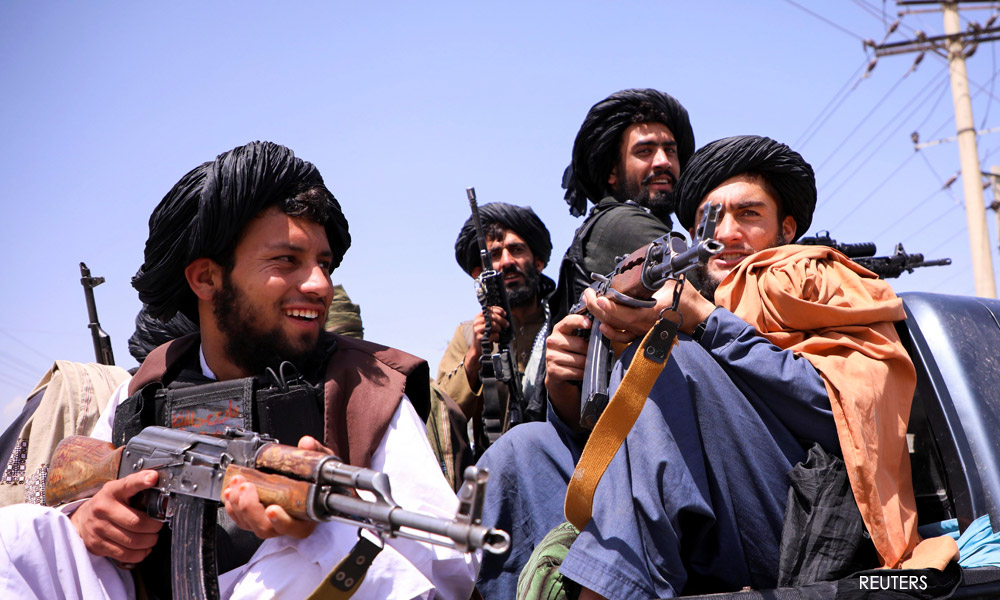
Recently, the United States ended its longest "failed" war with the Taliban after spending 20 years and “US$2 trillion-plus” without much gain but peace is still a distant dream in Afghanistan because the internal aspect of that war was not settled.
The impetus for the withdrawal of US and allied forces from Afghanistan was the Feb 29, 2020 US-Taliban Agreement, which also anticipated an intra-Afghan peace agreement, but that was not materialised.
This means that the conflict is still unresolved, instead of using the absence of war to pave the way for a just and lasting peace, the two sides (Taliban and their opponents) seem to be preparing for another deadly conflict that hopefully not happen.
Let us hope that all the warring parties, wherever they are, come to their senses and negotiate, in good faith for a just and lasting peace, because peace guarantees tranquillity, prosperity, economic growth and give us the opportunity to fight Civid-19 effectively.
Let peace prevail over war in this difficult time.
MOHAMMAD NAQIB EISHAN JAN is a professor at the International Islamic University of Malaysia.
The views expressed here are those of the author/contributor and do not necessarily represent the views of Malaysiakini.


Report this comment
Are you sure you want to delete this comment?
This action cannot be undone.