


COMMENT | Curbing healthcare insurance prices
COMMENT | Healthcare and insurance are essential services and should not be treated as ordinary businesses. This is particularly true for healthcare insurance.
The announcement of healthcare insurance premiums increasing by 40-70 percent has understandably alarmed consumers.
In response, Bank Negara Malaysia (BNM) introduced a series of immediate measures to ensure continued access to healthcare insurance and address rising medical costs (Interim Measures to Assist Policyholders and Promote Continued Access to Suitable Medical and Health Insurance/Takaful Products, Dec 20, 2024).
These interim measures are a positive step forward. However, they lack provisions for transparency and accountability from insurers and the regulator, BNM. Transparency and accountability are critical to fostering consumer trust.
Key metrics for insurer performance
Several key metrics can help consumers evaluate insurer performance and enable regulators to monitor the industry’s health.
Claims ratio: The ratio of claims paid out to premiums received.
Loss ratio: The ratio of claims and adjustment expenses (including claim investigation and verification costs) to premiums received.
Claims settlement ratio: The proportion of claims settled against total claims filed (both in number and value). This ratio allows buyers to compare insurers and choose the most reliable provider.
Expense ratio: The proportion of expenses incurred in acquiring, underwriting, and servicing premiums relative to premiums earned, reflecting an insurer’s operational efficiency before factoring in policy claims and investment gains or losses.
Combined ratio: The sum of the expense ratio and the loss ratio, measuring overall financial performance.
Complaints data: Insights from independent consumer satisfaction surveys and complaints records for each insurer.
Publishing such data is essential for consumers to make informed decisions and for regulators to ensure fair practices and industry health.
Historically, Malaysia’s director-general of insurance included such data in annual reports, but this practice has been discontinued.
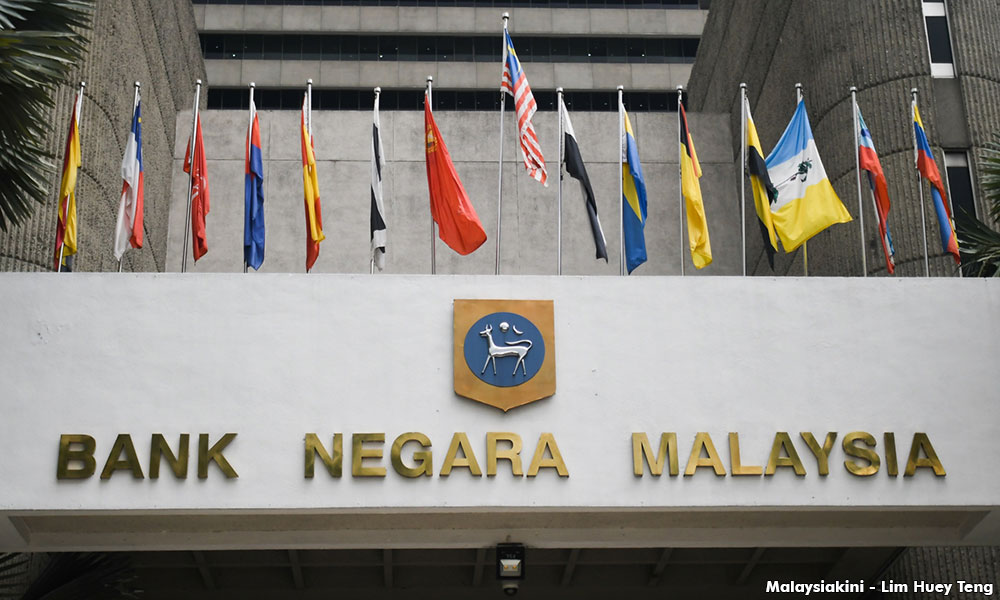
Regulators in other countries routinely publish similar data, and BNM should adopt this approach. Transparency would help consumers better understand and accept premium increases.
Current claims ratios in Malaysia
Data from Statista highlights healthy claims ratios for Malaysian medical and health insurers.
Between 2014 and 2023, claims ratios peaked at 73.2 percent in 2018 but steadily declined to 51.9 percent in 2021 before rising to 61.2 percent in 2022 and 65.9 percent in 2023 (Amanda Siddharta, June 24, 2024).
In simple terms, in 2023, less than two-thirds of premiums collected were returned to policyholders as claims. While medical cost inflation is a concern, insurers’ healthy claims ratios suggest room for improvement in claims settlement practices.
Regulatory measures for transparency, policyholder protection
If transparency and accountability do not adequately address these issues, regulatory interventions may become necessary.
For instance, the US Affordable Care Act (2010) introduced the following:
Rate review: Insurers must publicly justify rate increases above a stipulated threshold before implementation.
80/20 rule: Insurers must spend at least 80 percent of premiums on healthcare costs and quality improvements (85 percent for large group insurers). Failure to meet this threshold requires insurers to rebate policyholders.
Addressing unfair practices
BNM must also monitor underwriting practices to ensure fair treatment of policyholders.
Some insurers “cannibalise” existing insurance pools to create new pools for lower-risk customers with enhanced benefits but disproportionately higher premiums.
The “cannibalised” pool is then subject to a premium increase because it incurs higher claims with a smaller number in the pool.
Expanding risk pools equitably is essential to maintaining fairness and avoiding such imbalances.
Controlling medical costs
BNM’s focus on addressing high medical costs is commendable and could benefit both insured and uninsured individuals.
However, this effort must be comprehensive and address all aspects of the healthcare delivery supply chain to identify profiteering and implement cost-containment measures.
Key areas for attention include:
Pharmaceutical pricing, agent commissions, and differential pricing between government and private entities.
Reassessing the classification of medicines into prescription-only and over-the-counter categories.
Regulating drug prescription and dispensation practices while providing price transparency.
Expanding price controls to a broader range of hospital services.
Curbing unnecessary investigations by medical practitioners.
Preventing profit-driven performance indices at private healthcare providers designed to escalate investigations and treatments.
Collaboration with healthcare regulators, associations, and knowledgeable consumer representatives is crucial to establishing medical best practices, clinical protocols, and conducting independent medical audits, to ensure ethical practices.
Insurers need to also establish their own robust protocols to eliminate waste, abuse, and fraud (WAF) in insurance claims without compromising timely access to benefits.
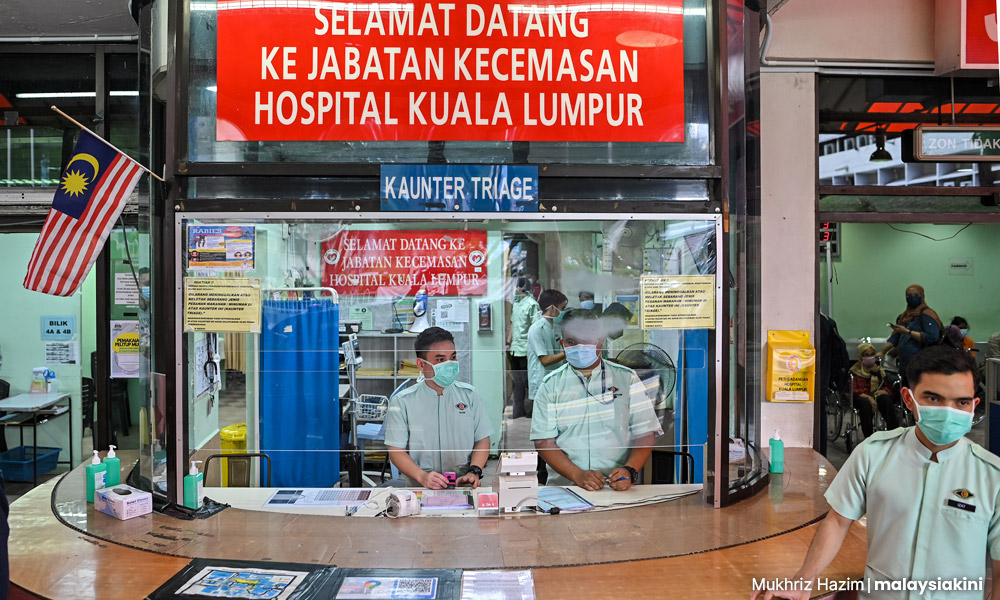
The deployment of artificial intelligence tools such as Cutters AI Relacio which can automatically examine claims data are useful tools that can be employed by an industry-wide WAF containment unit.
Conclusion
While BNM’s interim measures are a welcome start, greater transparency, accountability, and regulatory oversight are necessary to ensure a fair and efficient healthcare insurance system.
Comprehensive cost-containment strategies for medical services and pharmaceutical pricing will further safeguard consumers and promote equitable healthcare access for all.
SOTHI RACHAGAN is an emeritus professor who is a former dean of the faculty of law of Universiti Malaya; vice-chancellor of Perdana University and Nilai University, and president of the International Association of Consumer Law. He serves on numerous international consumer protection bodies.
The views expressed here are those of the author/contributor and do not necessarily represent the views of Malaysiakini.


Report this comment
Are you sure you want to delete this comment?
This action cannot be undone.