




Malaysia targets top 30 in CPI by 2020
Following Malaysia's rise from 54 to 53 in Transparency International's Corruption Perception Index (CPI) this year, Pemandu is aiming for the country to be in the top 30 by 2020.
Following Malaysia's rise from 54 to 53 in Transparency International's Corruption Perception Index (CPI) this year, Pemandu is aiming for the country to be in the top 30 by 2020.
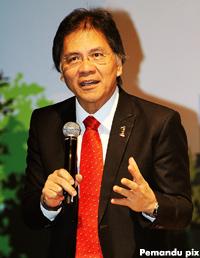 In a statement, Performance Management Delivery Unit (Pemandu) chief executive officer Idris Jala (
right
) said a robust anti-corruption framework is essential for the socio-economic progression of the country.
In a statement, Performance Management Delivery Unit (Pemandu) chief executive officer Idris Jala (
right
) said a robust anti-corruption framework is essential for the socio-economic progression of the country.
"Our target is to have Malaysia occupy the top 30 percentile of the CPI index amongst developed nations by the year 2020," said Idris who is also a minister in the Prime Minister's Department.
It was reported today that Malaysia has moved up a place among the 177 countries in the CPI index.
TI-Malaysian chapter president Akhbar Satar said while there were some improvements, there is still a lot to do.
Malaysia is currently ranked third among the 10 countries in the Association of South-East Asian Nations (Asean), with Singapore and Brunei ranking first and second.
Idris added he is pleased Premier Najib Abdul Razak roped in former TI-M president Paul Low as a cabinet minister, as this will further improve the country's fight against corruption.
"While systematic structures have been positioned to enhance anti-graft practices, we believe there remains much room for tougher measures. We have to strive harder in 2014 to implement initiatives that will visibly effect perception.
"The CPI helps us identify areas that need more focus; areas such as an absence of integrity in any system can be damaging to the credibility of multiple initiatives," the Pemandu CEO added.
Changing mindsets
Idris said the government transformation program 2.0 (GTP) has created awareness by incorporating the anti-corruption drive into education.
This initiative, he said, tackles a root case of the problem by effectively changing mindsets.
Idris added a total of 27 teacher training institutions nationwide have established Corruption Prevention Secretariats.
"This programme legitimises teachers to be anti-graft mentors to instil in students appropriate behaviours. Furthermore, the Malaysian Anti Corruption Commission together with the Education Ministry, will be inserting anti-corruption elements in textbooks for primary school children by 2016."
He said other GTP 2.0 initiatives included the tabling of the Auditor General's performance audit report at every Parliament session as well as the launch of the Auditor General's Online Dashboard.
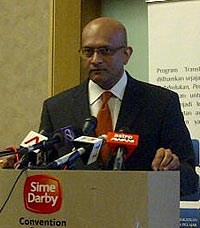 This will allow wider access for the public to inspect and scrutinise dealings within individual ministries, departments and agencies and enhance accountability.
Meanwhile, Pemandu's Anti-Corruption Nation Key Result Area director, Ravindran Devagunam ( right ) commended the hard work of various parties in implementing game-changing initiatives.
Moving forward, Ravindran added Pemandu aims to focus on tougher agendas, like on procurement in Private Public Partnership (PPP) projects, political financing and corruption in the private sector.
"Among the proposals put forth is for the setting up of an oversight committee to monitor contracting processes and execution implemented with the maximum transparency and accountability in PPP projects.
"In terms of political financing, we will be working with political parties to ensure proper recording and accounting of political donations and enhanced accountability by mandatory issuance of receipt for any contributions.
"We are working with MACC to insert the corporate liability provision into the MACC Act by next year," he said.
Ravindran said Pemandu will continue to secure increased partnerships with more stakeholders to strengthen the capacity of institutions, both in the public and private sectors, to control corruption.
He stressed what was important is the support from politicians, regardless of their political affiliations, as well as members of civil society.


Are you sure you want to delete this comment?
This action cannot be undone.