



Rallies alone may not topple gov't, concedes Maria
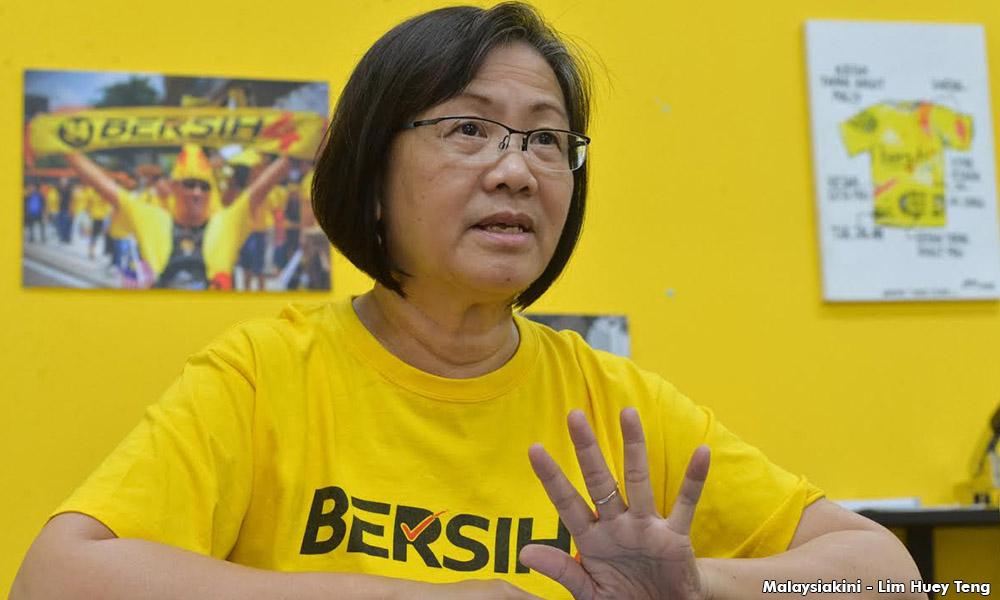
INTERVIEW | No single rally today would succeed in “toppling a government” in Malaysia, said Bersih 2 chairperson Maria Chin.
She said this was unlike the fall of dictatorial regimes in neighbouring countries such as Indonesia, the Philippines and Thailand in the wake of massive public uprising.
“I am sure that it (change of government through protests) could happen in other countries… but in Malaysia now, we are not at that stage yet.
“It would only happen when everyone feels the same commitment (for change), they want to see the end goal. Now I don’t feel it yet in Malaysia…” she said, adding that most Malaysians would still prefer to vote for change at the ballot box despite unfair electoral rules.
In an interview with Malaysiakini at Bersih’s office in Petaling Jaya, Maria said this when asked for comments on the underlying frustration felt by certain quarters over the perceived lack of impact of massive rallies, including Bersih 4 last year...
INTERVIEW | No single rally today would succeed in “toppling a government” in Malaysia, said Bersih chairperson Maria Chin.
She said this was unlike the fall of dictatorial regimes in neighbouring countries such as Indonesia, the Philippines and Thailand in the wake of massive people’s uprising.
“I am sure that it (change of government through protests) could happen in other countries… but in Malaysia now, we are not at that stage yet.
“It would only happen when everyone feels the same commitment (for change), they want to see the end goal. Now I don’t feel it yet in Malaysia…” she said, adding that most Malaysians would still prefer to vote for change at the ballot box despite unfair electoral rules.
In an interview with Malaysiakini at Bersih 2’s office in Petaling Jaya, Maria said this when asked for comments on the underlying frustration felt by certain quarters over the perceived lack of impact of massive rallies, including Bersih 4 last year.
“Bersih 4, if you are thinking of bringing down a government, it didn't happen. It's not that easy: through one demonstration, being on the streets, even you go there for two days, or a week or a month…,” she said.
She attributed poverty as being a main factor that had triggered such revolts across the region.
“Unlike in Indonesia and the Philippines, I think that the other factor is the issue of economy. When they are hurt, starving, their incomes are being affected, then more people will come forward and protest.
“We have definitely seen it in Malaysian history, for example in Baling… It did result in some changes,” she said in reference to the 1974 protest in Baling, Kedah, which saw thousands of poor farmers rising up against the local authorities.
The incident spiralled into a nationwide revolt which eventually saw jailed former opposition leader Anwar Ibrahim, who was then a rising student activist, arrested and detained under the now abolished Internal Security Act.
On a bright note, Maria said there had been a positive change in how protests are viewed in Malaysia since the first Bersih rally in 2007.
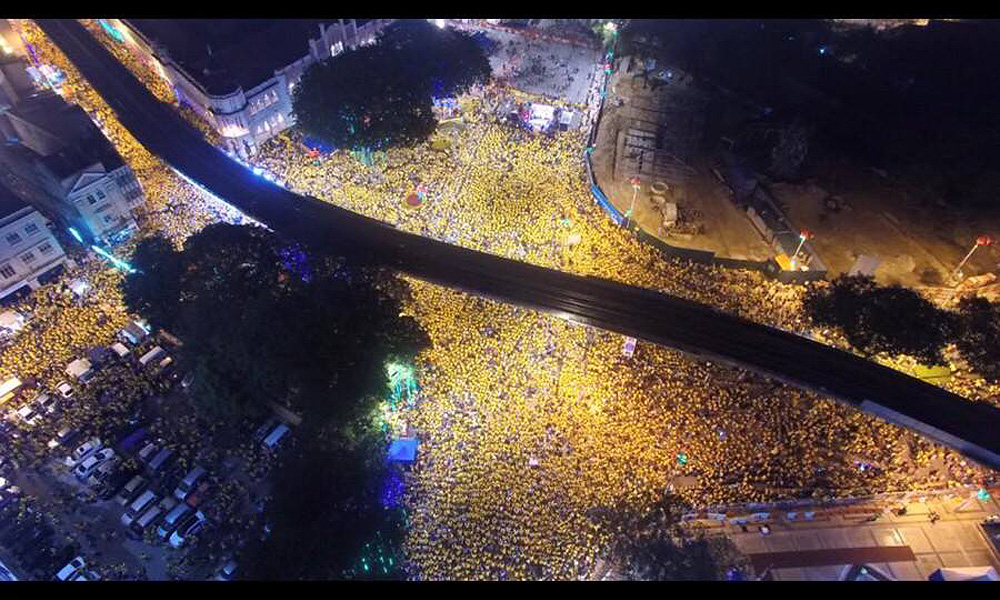 Under her leadership, the Bersih 4 rally saw nearly 200,000 people camping on the streets of Kuala Lumpur on the eve of the Merdeka celebrations last August.
It was touted as one of the biggest protests of its kind in Malaysia and authorities were commended for helping to facilitate the overnight rally.
This was unlike the heavy-handed approach taken towards past Bersih rallies.
‘Need more time for Bersih 5’
Maria, meanwhile, remained coy when pressed for further details on the upcoming Bersih 5 rally.
“I feel that (with) Bersih 5, we are taking our time to be more specific because we want to build a much stronger approach…
“We want to be very clear that if we go on the streets, what's the expectation that we want to bring to the people who joined us?” she said, adding that preparations would be ongoing over the next few months.
At the moment, Maria said Bersih was focusing on efforts to mobilise the people, largely through a roadshow that targets rural areas in states such as Kedah and Johor.
“The (Bersih) committee has been split into six regions and each region has got its vice-chair and organising committee talking to various groups, particularly to the NGOs that are not our endorsees.
“We are also engaging with different individuals, asking them to help us to mobilise. We are trying our very best,” she said.
In the meantime, Maria said Bersih would also be supporting the Aug 27 ‘Tangkap Malaysian Official 1’ rally in Kuala Lumpur, organised by a coalition of student and youth groups.
Aside from Bersih’s core demands, the Bersih 5 rally will also be calling for action to be taken against the individual identified as ‘Malaysian Official 1’ in the United States Department of Justice’s civil suit to seize nearly US$1 billion in assets allegedly siphoned from 1MDB.


Are you sure you want to delete this comment?
This action cannot be undone.