
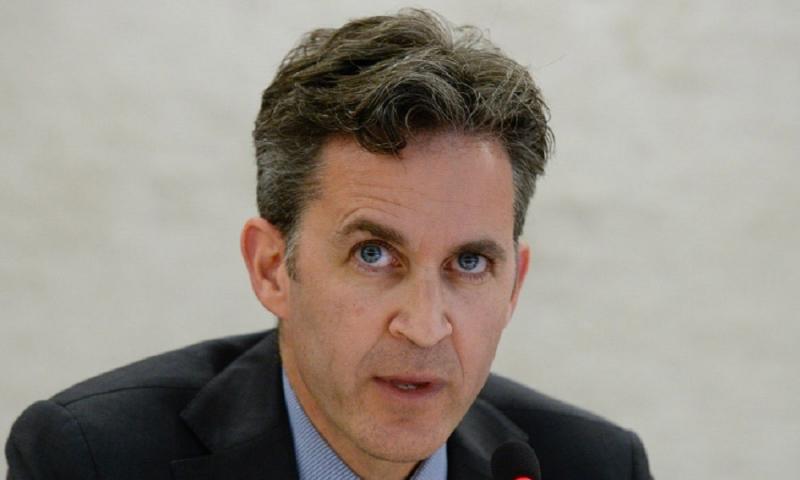
UN special rapporteur gives anti-fake news law thumbs down
A UN special rapporteur has criticised Malaysia’s proposed legislation to curb “fake news” for being too punitive and “seemingly disproportionate.”
In a series of tweets, David Kaye, who advises the UN on freedom of opinion and expression, also opined that the definition of “fake news” was too broad...
A UN special rapporteur has criticised Malaysia’s proposed legislation to curb “fake news” for being too punitive and “seemingly disproportionate.”
In a series of tweets, David Kaye, who advises the UN on freedom of opinion and expression, also opined that the definition of “fake news” was too broad.
“The definitions are extremely vague, leaving excessive discretion for officials to define ‘fake news’.
“The penalties are harsh, seemingly disproportionate. Tabling to vote this quickly is, in my view, very problematic,” he said.
In view of this, Kaye urged Putrajaya to reconsider the bill and subject it to proper public scrutiny before taking further action.
Earlier today, the Dewan Rakyat passed the Anti-Fake News Bill 2018 with a vote of 123 to 64.
The bill seeks to criminalise “fake news” and imposes a maximum jail term of six years, a maximum fine of RM500,000, or both.
Critics and lawyers have pointed out that the bill was too broad, vague, and punitive, as well as being open to government abuse.
In particular, critics point to Section 8(3), of the bill which stipulates no appeals process for a court orders to remove material deemed “fake news,” if the order is sought by the government on the grounds of public security.


Are you sure you want to delete this comment?
This action cannot be undone.