


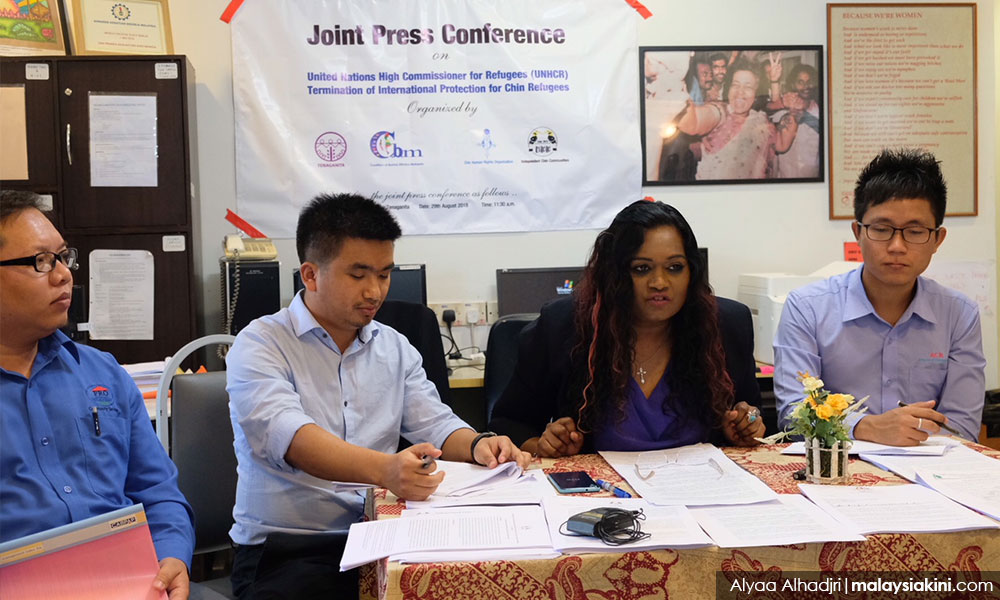

Myanmar Chin in M'sia call for UN review on refugee status
A group of Myanmar Chin leaders have urged the UN Refugee Agency (UNHCR) to review its decision to end their refugee status by 2020.
Alliance of Chin Refugees (ACR) coordinator James Bawi Thang Bik said many Chin who are now in Malaysia will be left in limbo if they fail in their attempts to be resettled in the US or a third country.
“I am alone here because all of my family members, including my mom, my brother, and my brother’s wife, are already in the US...
A group of Myanmar Chin leaders have urged the UN Refugee Agency (UNHCR) to review its decision to end their refugee status by 2020.
Alliance of Chin Refugees (ACR) coordinator James Bawi Thang Bik said many Chin who are now in Malaysia will be left in limbo if they fail in their attempts to be resettled in the US or a third country.
“I am alone here because all of my family members, including my mom, my brother, and my brother’s wife, are already in the US.
“I also have no family members left in Chin State. So even if I were to go back, there would be no one there (for me),” James said when met after a press conference held at the office of migrant rights group Tenaganita in Petaling Jaya this morning.
Located in western Myanmar, Chin State is home to the country’s Christian minority. According to UN statistics, the Chin people are also ranked as being among the poorest communities in the country.
Coming to Malaysia
Like many of his fellow Chin, James said he arrived in Malaysia from Myanmar in 2010 to escape persecution by the country’s Buddhist-majority government.
It was only two years later in January 2012 that the Chin National Front, an ethnic political party that founded to fight for self-determination, reportedly signed a ceasefire agreement with the new Myanmar federal government under President Thein Sein.
According to the UNHCR, as of May this year, there are 31,150 Chin refugees in Malaysia, the second largest group among the total number of 157,580 refugees in the country.
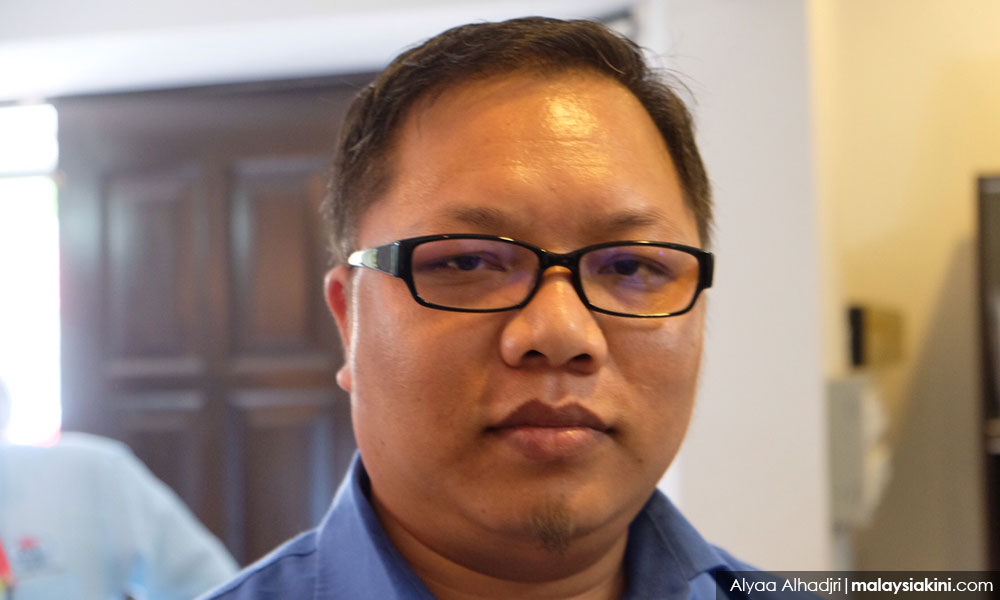
Independent Chin Communities (ICC) chairperson John Bawi Luai Thanga (photo), however, said he believes the actual number of Chin in Malaysia could be as high as 50,000, since they first started arriving here more than a decade ago.
John also said the UNHCR’s decision, which was communicated through a notice dated June 13, had triggered distress among the Chin community here.
“They have no other choice but to stay here (in Malaysia).
“Most of them no longer have any Myanmar (identification) documents to return home,” said John, who has been in Malaysia for more than a decade and has actively worked with the Chin community since 2013.
According to the UNHCR notice which was distributed to the media, an analysis of various contributing factors have determined that the Chin refugees are now able to seek protection from the Myanmar government, and as such are deemed no longer in need of international protection.
Responding to the UNHCR’s decision, John said the ICC had earlier this month hosted a consultation session attended by Chin leaders, including from Myanmar, to reaffirm their demands to the human rights body.
Among others, he said their demands include an immediate review of the UNHCR’s decision, as there has been evidence of ongoing human rights violations against the Chin community in Myanmar despite there being no reported armed clashes in surrounding areas since November 2010.
'Cannot return home'
Tenaganita executive director Glorene Das (photo), meanwhile, stressed that many of the refugees were unable to return home as there has been no guarantee that their basic rights would be met.
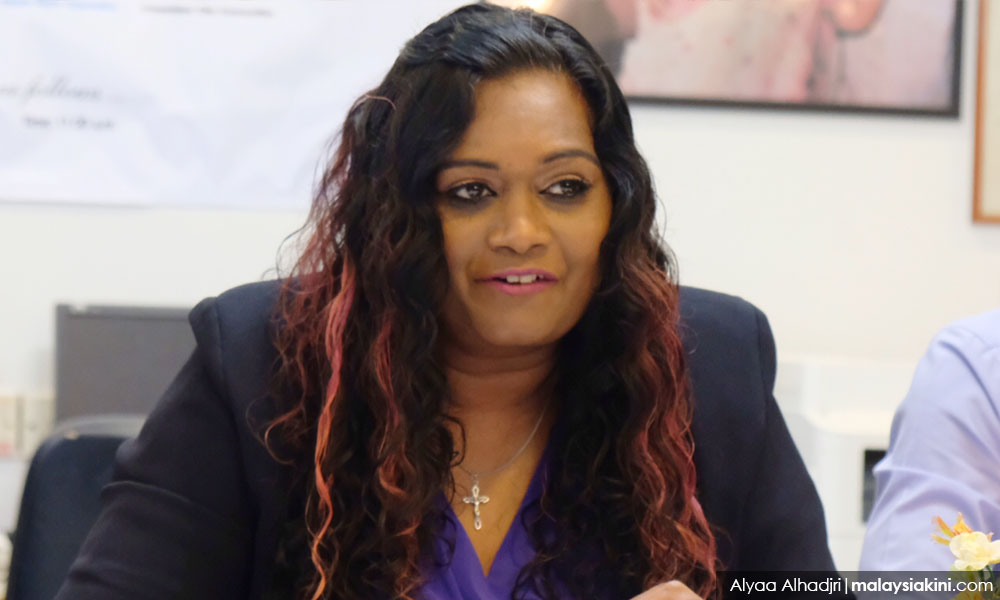
“If you ask them (refugees) if they wanted to stay here (in Malaysia) for good, or be permanently resettled in another country, they would say: ‘No, I want to go back to my own land!’.
“But right now the government is not providing them with their basic rights, so how can they return home?” she asked, while urging Malaysia, as well as other Asean governments, to pressure Myanmar into resolving the Chin refugee issue.
The basic rights for the Chin include freedom to practise their religion as well as freedom of movement in their own land.
“From our observations, there appears to be a lack of commitment by the international community in securing the safe and sustainable return of the Chin refugees,” she added.
It was previously reported that Chin refugees approaching the UNHCR office from this month onwards would have their UN cards extended until Dec 2019, without the need for an interview.
But as of Jan 1, 2020, their refugee status would cease and their cards would no longer be extended, except on a case-by-case basis following an evaluation process.
It was also reported that the decision is a global one and will affect Chin refugees in Malaysia, Thailand, as well as India.


Report this comment
Are you sure you want to delete this comment?
This action cannot be undone.