


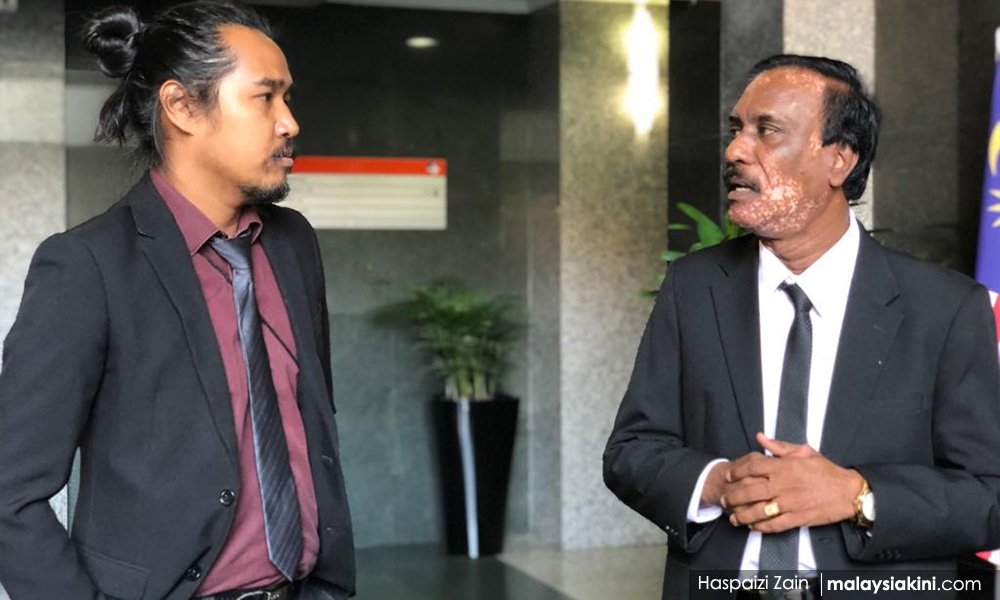

Witness: Low fence made crossing Thai-M'sia border easy
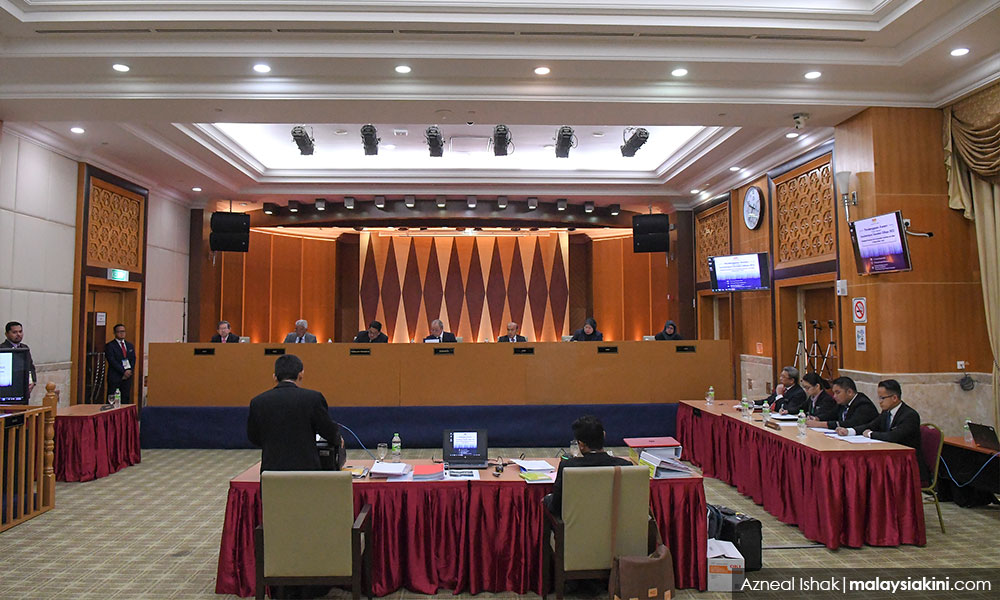
WANG KELIAN RCI | A barbed wire fence below waist height made crossing the border from Thailand into Malaysia easy, the Royal Commission of Inquiry on Wang Kelian was told today.
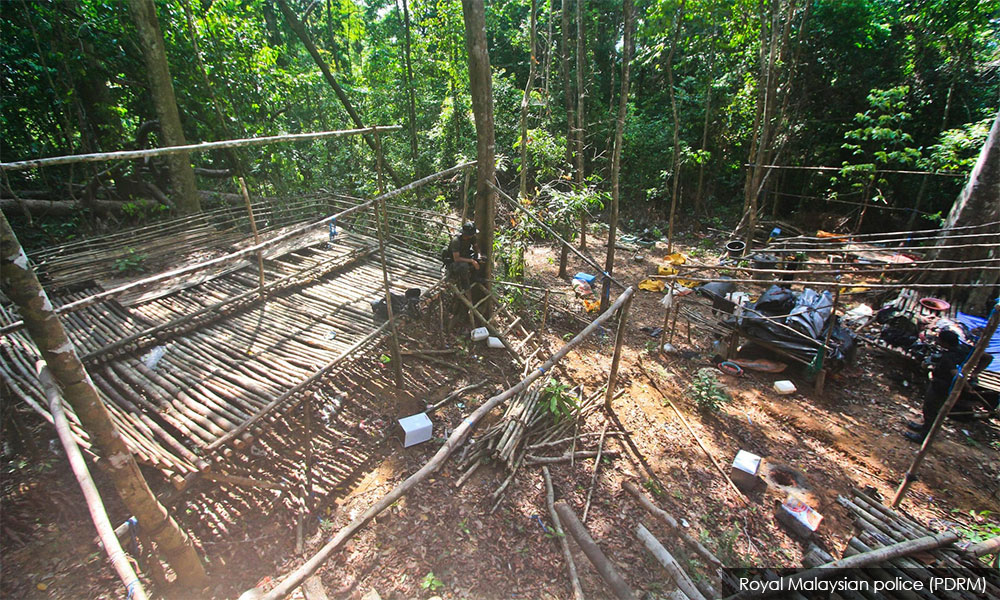
Malay Mail photographer Mohd Sayuti Zainudin said this was what he found when he arrived at the illegal migrant camp at Wang Kelian, which is accessible from the Thai village of Ban Talok, Sadao.
"The barbed wire was low, below my waist, and I just had to step over it to get in (from Thailand)," he told the RCI...
WANG KELIAN RCI | A barbed wire fence below waist height made crossing the border from Thailand into Malaysia easy, the Royal Commission of Inquiry on Wang Kelian was told today.
Malay Mail photographer Mohd Sayuti Zainudin said this was what he found when he arrived at the illegal migrant camp at Wang Kelian, which is accessible from the Thai village of Ban Talok, Sadao.
"The barbed wire was low, below my waist, and I just had to step over it to get in (from Thailand)," he told the RCI.
Mohd Sayuti had gone to the camp along with journalist S Arulldas, who had testified prior to him.
Together, they had crossed into Wang Kelian from Thailand on May 13, 2015. They were taken near the border by two Thai drivers, and had to hike up a hill for an hour before reaching the border.
He said after crossing the fence, they went to a nearby river which they were told was where the migrants would bathe and get drinking water.
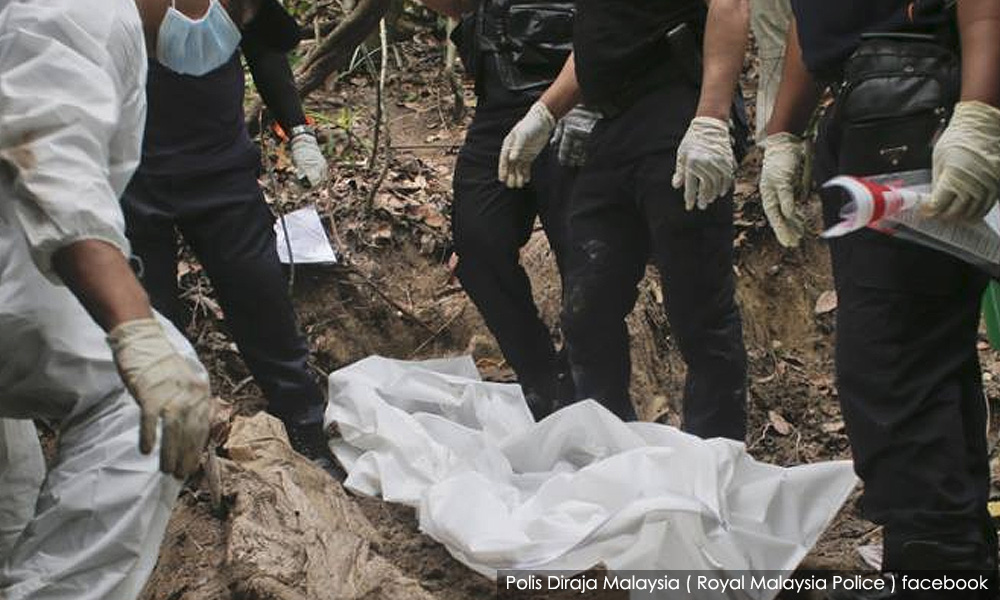
"Then we moved further and found five earthen structures like graves not far from there. The graves were covered with leaves," he said.
Earlier, Arulldas told the RCI he had visited the surrounding area six times previously in an unsuccessful attempt to find the graves.
He said he had not asked locals for help, fearing that trafficking agents were among them.
"When I spoke to the jungle police, I was then informed that police had gone up the hill before and that an ambulance had been present too.
"I was convinced something was there," he said.
It was Arulldas who exposed the mass graves in Wang Kelian to the public.
Some 139 graves containing 106 skeletal remains – believed to be of Rohingya migrants – along with 28 abandoned human trafficking camps on Bukit Wang Burma, were discovered by the police in Wang Kelian in January 2015.
However, the bodies and remains were only brought down in stages, between May and August that year.
An RCI into the matter was formed earlier this year, headed by former chief justice Ariffin Zakaria.


Report this comment
Are you sure you want to delete this comment?
This action cannot be undone.