


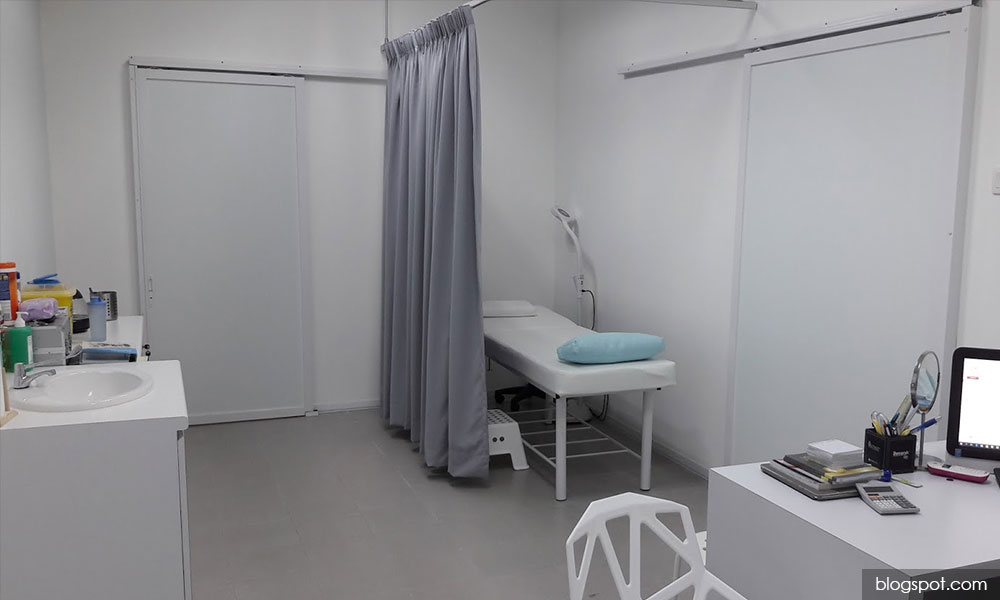

Medical body defends push to revise GP's consultation fees from 27 years ago
The Malaysian Medical Association is defending the push to revise the consultation fee charged by general practitioners (GPs) in private clinics which have remained unchanged for 27 years.
"GPs in Malaysia are only asking for the harmonisation and gazetting of the consultation fee that was agreed upon in 2013 and gazetted for medical officers working in private hospitals under Schedule 13 but was overlooked for GPs working in private clinics under Schedule 7 of the Private Healthcare Facilities and Services Act...
The Malaysian Medical Association is defending the push to revise the consultation fee charged by general practitioners (GPs) in private clinics which have remained unchanged for 27 years.
"GPs in Malaysia are only asking for the harmonisation and gazetting of the consultation fee that was agreed upon in 2013 and gazetted for medical officers working in private hospitals under Schedule 13, but was overlooked for GPs working in private clinics under Schedule 7 of the Private Healthcare Facilities and Services Act.
"The increase was already done and the impact has already been discounted," Malaysian Medical Association Mohamed Namazie Ibrahim said in a statement today.
During the revision in 2013, the consultation fee for GPs in private hospitals was revised from between RM10 and RM35 to between RM35 and RM125, but GPs who operate their own clinics were left out.
Namazie said even if the government were to approve the increase for GPs in private clinics, doctors would still have to charge according to a fixed schedule.
"While the harmonisation of the fee schedule will mean an increase from RM10-RM35 per consultation to RM30-RM125, there is a fee structure that GPs have to adhere to.
"Under the RM30-RM125 fee structure, RM30-RM50 may be charged for simple consultation (up to 10 minutes), RM51-RM80 for intermediate consultation (up to 20 minutes) and RM81-RM125 for complex consultation (more than 20 minutes).
"We wish to also reassure the public that even with the harmonisation of fee schedules, the B40 segment will still be charged affordable fees," he said.
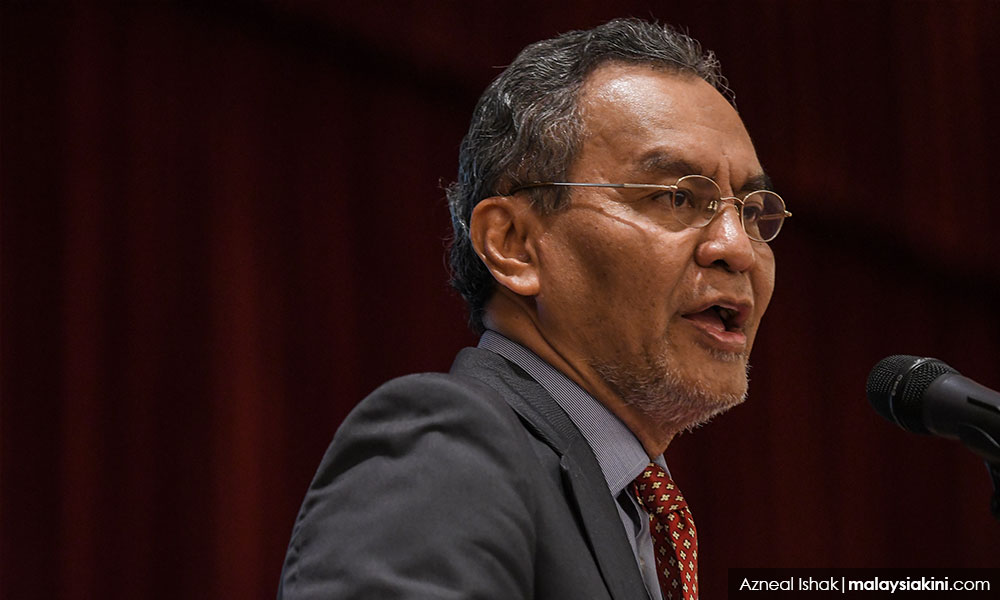
Health Minister Dr Dzulkefly Ahmad (picture), in a meeting with GPs on Tuesday, was pressed to exercise his ministerial power to gazette the increase for GPS running private clinics, with some questioning the need for him to refer the matter to the cabinet.
However, Dzukefly insisted that he will not do so unilaterally despite having such powers, but acknowledged that the fees were a long-standing issue affecting the GPs which should be addressed.
"I guarantee that I will do my best for the fee harmonisation as it is a long-standing issue.
"There are those who ask that I invoke the minister's power under Section 107... but I would like to stress that this is a collective effort, especially for the new government that is trying to overcome the people's cost of living.
"We do not want it to impact (the people), particularly the B40 group," he said.
The cabinet has asked that the fee revision be referred first to the National Cost of Living Council.
Namazie said people prefer clinics for minor health issues due to easy accessibility, overcrowding at hospitals, shorter waiting time and lower fees.
"But the current fee schedule is making it almost impossible for GPs to continue operating their clinics. Last year alone, over 300 clinics in the country closed down," he said.
Namazie said the harmonisation of fees will be crucial to the sustainability of clinics nationwide and help GPs with issues faced with Third Party Administrators.
He said GPs in the country have been subsidising the healthcare of large and profitable corporations which engaged TPAs.
"These TPAs suppress the GP fees to make a profit for themselves. Several foreign TPAs have come in to feed on this lucrative business.
"One TPA owned by Khazanah has now been sold to a foreign investor," he added.




Are you sure you want to delete this comment?
This action cannot be undone.