



Parliament to finally debate Suhakam's report
A Human Rights Commission (Suhakam) report will be debated by MPs for the first time ever during the forthcoming Dewan Rakyat sitting.
Suhakam, established in 1999, has submitted its annual report to Parliament but the document has been repeatedly ignored.
De facto law minister Liew Vui Keong told reporters in Kuala Lumpur today that he will personally table the report during the sitting which begins on Oct 7...
A Human Rights Commission (Suhakam) report will be debated by MPs for the first time ever during the forthcoming Dewan Rakyat sitting.
Suhakam, established in 1999, has submitted its annual report to Parliament but the document has been repeatedly ignored.
De facto law minister Liew Vui Keong told reporters in Kuala Lumpur today that he will personally table the report during the sitting which begins on Oct 7.
"If the report is just tabled to stakeholders and to MPs without being debated, I think it will defeat the whole purpose (of the report).
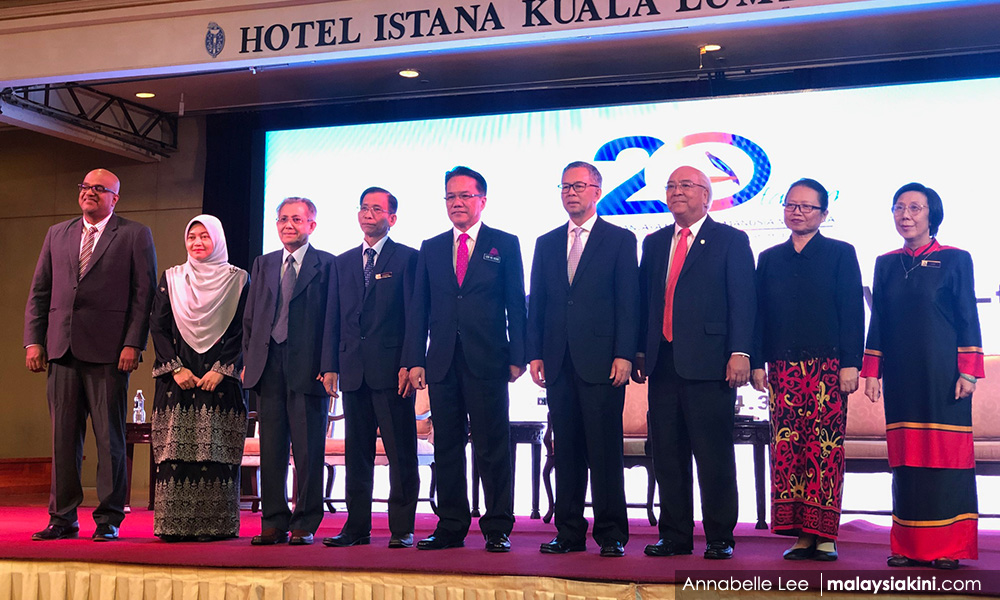
"The previous government, for the past 19 years constantly, did not get it debated but I guess the new government under Pakatan Harapan will take the first step to ensure that the annual report of Suhakam will be debated," Liew said during his officiating address at the commission's 20th anniversary celebration in Kuala Lumpur this morning.
The commission's 2018 annual report was tabled in Parliament in April this year but no time was allocated for it to be debated.
Liew later clarified that a separate "special report" from Suhakam would be tabled and debated in the coming sitting.
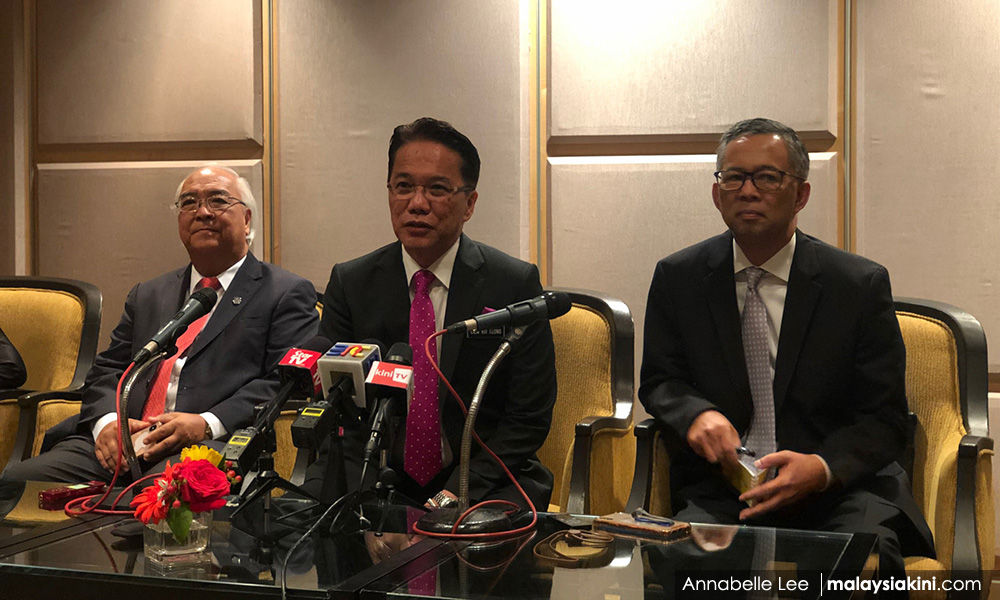
"Suhakam is also at the moment preparing its special report... once it is (done) I will move a motion to have it debated during this session, which is going to start on Oct 7," he said when asked during a press conference.
Seated beside him was Suhakam chairperson Othman Hashim, who confirmed that this special report was a work in progress.
Suhakam to be under Parliament
Liew also told the press that the government was working on amending the Suhakam Act 1999 to allow commissioners to be appointed by Parliament rather than by the executive as is the current practice.
“(Putting Suhakam under Parliament) will be included in the amendments. At this moment it is still in the pipeline.
“Maybe next year we should be able to move it (in the Dewan Rakyat),” he said when asked by the press.
Another amendment will be to give the commission more powers to investigate and deal with human rights complaints.
“That is to enlarge the executive power of Suhakam to ensure they will be able to deal with various issues on complaints, to give them more powers,” Liew said.





Are you sure you want to delete this comment?
This action cannot be undone.