


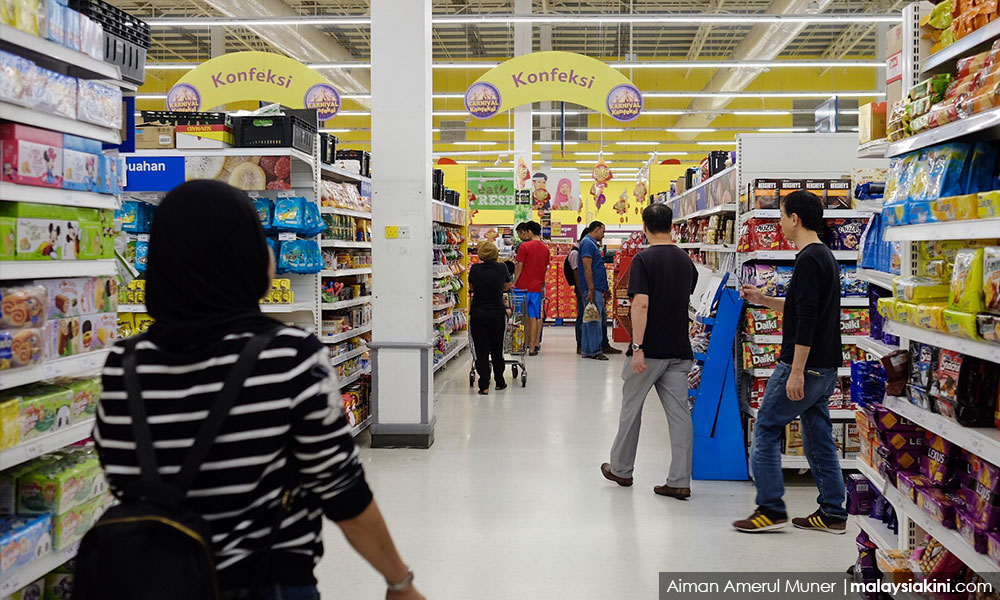

Miti: Companies given approval to operate must provide permission letters for employees
The International Trade and Industry Ministry (Miti) has confirmed that companies who have been given the approval to operate must provide permission letters for their employees to travel under the movement control order.
The ministry had earlier said that only industries or factories that have received approval letters from Miti were allowed to operate during the movement control order.
The International Trade and Industry Ministry (Miti) has confirmed that companies who have been given the approval to operate must provide permission letters for their employees to travel under the movement control order.
The ministry had earlier said that only industries or factories that have received approval letters from Miti were allowed to operate during the movement control order.
In a statement today, Miti, however, said that the permission to work was limited to the number of workers approved for a particular company to operate as well as the permission to utilise a particular factory’s machinery.
“Companies and factories must provide permission letters for their employees to travel. They must also attach the approval letter issued by Miti.
“Companies must also list down the names of employees who have been provided with the permission letters to travel from their homes to their workplace and vice-versa.”
The number of letters that can be issued by a particular company would depend on the number of workers approved according to conditions set by the National Security Council, added the ministry.
“However, approval given can be revoked if the company does not comply with the conditions,” the ministry cautioned.
In its list of frequently asked questions (FAQ), Miti said that factories producing essential products such as basic food items, agricultural products, household goods and pharmaceutical products are allowed to operate.
Apart from these, personal protective equipment such as fire safety equipment, medical suits, face masks and gloves; pharmaceutical products such as medicines; packaging and printing materials including inks; medical and surgical devices; and parts for medical equipment such as ventilators are also included in the list.
Other products defined as critical were oil and gas, petrochemical, chemical products such as fertilisers and pesticides; and electrical and electronic goods.



Are you sure you want to delete this comment?
This action cannot be undone.