



Don't let the sea become graveyard for Rohingya refugees, says Amnesty International
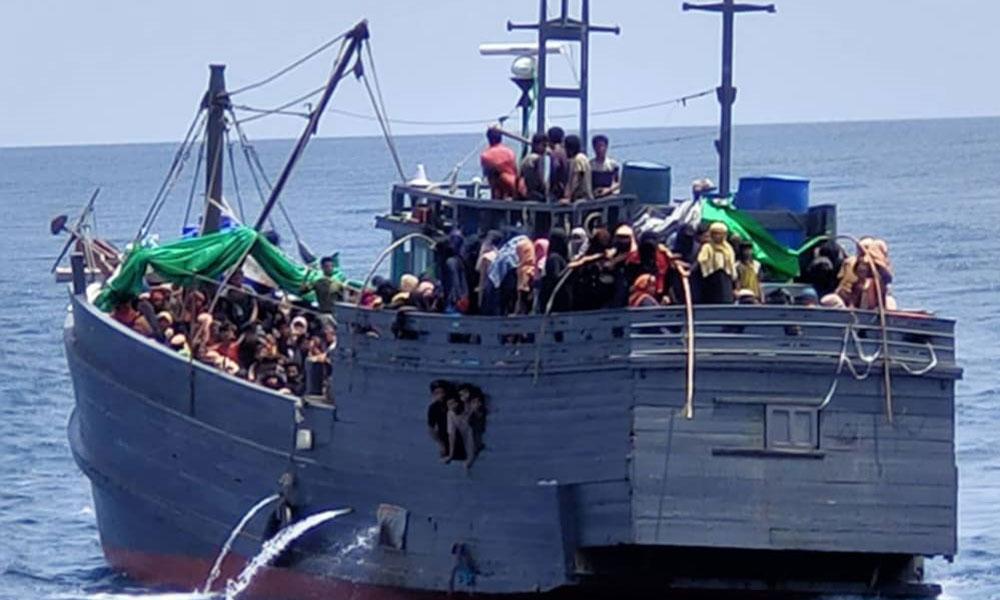
Two human rights' bodies - Amnesty International and Human Rights Watch - have independently issued statements condemning Malaysia's treatment of Rohingya refugees after it was reported that ships carrying hundreds fleeing Myanmar were turned back.
“The battle against Covid-19 is no excuse for regional governments to let their seas become graveyards for desperate Rohingya people,” said Amnesty International senior director for research, advocacy & policy Clare Algar.
Two human rights' bodies - Amnesty International and Human Rights Watch - have independently issued statements condemning Malaysia's treatment of Rohingya refugees after it was reported that ships carrying hundreds fleeing Myanmar were turned back.
“The battle against Covid-19 is no excuse for regional governments to let their seas become graveyards for desperate Rohingya people,” said Amnesty International senior director for research, advocacy & policy Clare Algar.
She called on Southeast Asian governments to immediately launch search and rescue operations for likely hundreds of Rohingya languishing at sea.
"In a repeat of the humanitarian crisis that the region saw five years ago, Malaysia has actively pushed back boats and turned desperate Rohingya people away, while Thailand has not said whether it has assisted any ships travelling off its coast," said Algar.
"For years boats carrying thousands of desperate Rohingya people fleeing persecution in Myanmar or refugee camps in Bangladesh have been found at sea, seeking refuge in Southeast Asia," she added.
Amnesty International said it had received information about an estimated three to five boats likely carrying Rohingya refugees spotted off the coasts of Malaysia and southern Thailand in recent days, with hundreds of people believed to be on board.
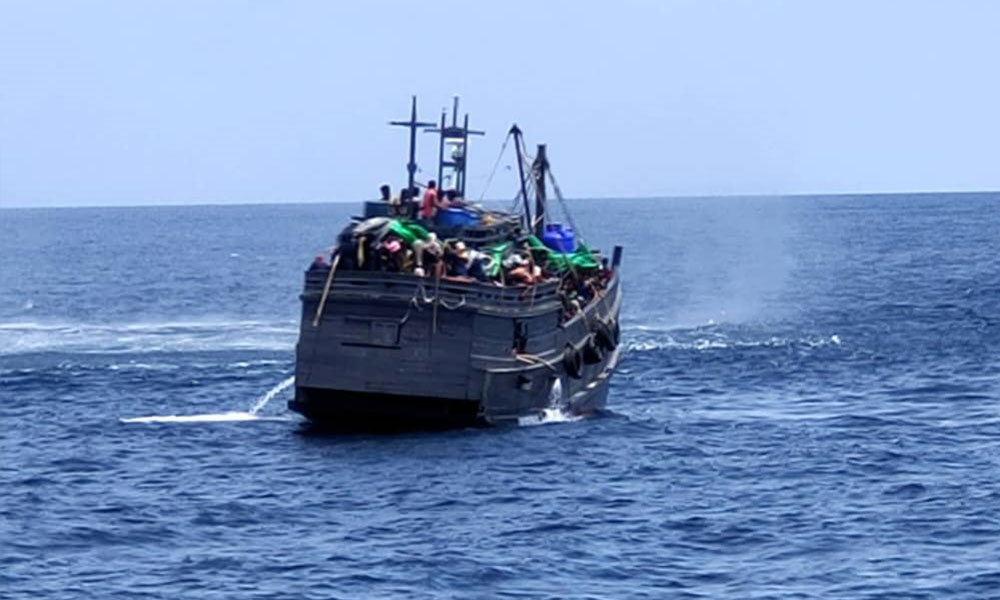
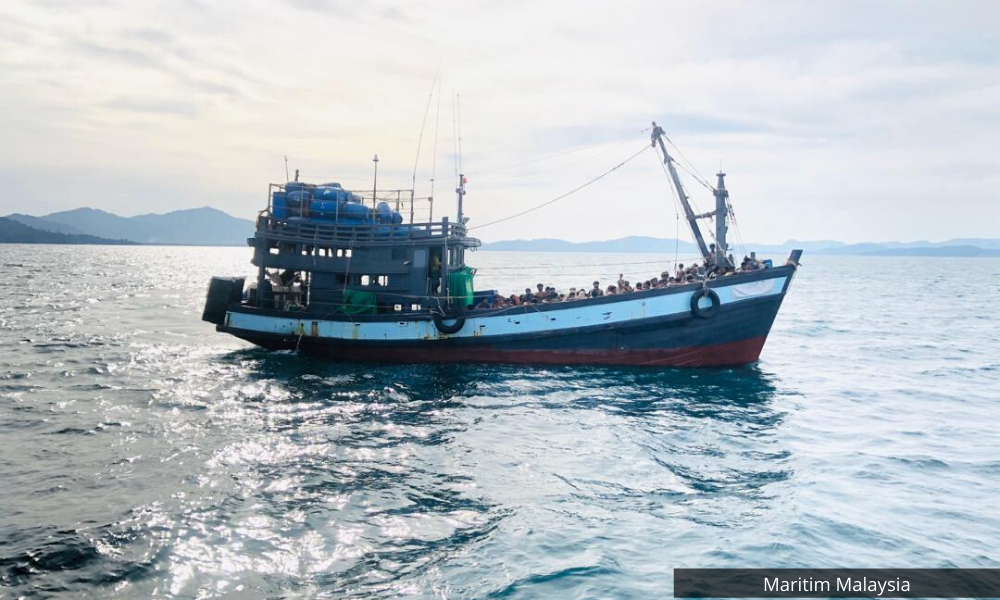
On April 16, the Royal Malaysian Navy turned back a boat carrying about 200 Rohingya women, men and children, while providing food to those on board. The Malaysian government has cited Covid-19 measures as justification for turning boats away from their coast.
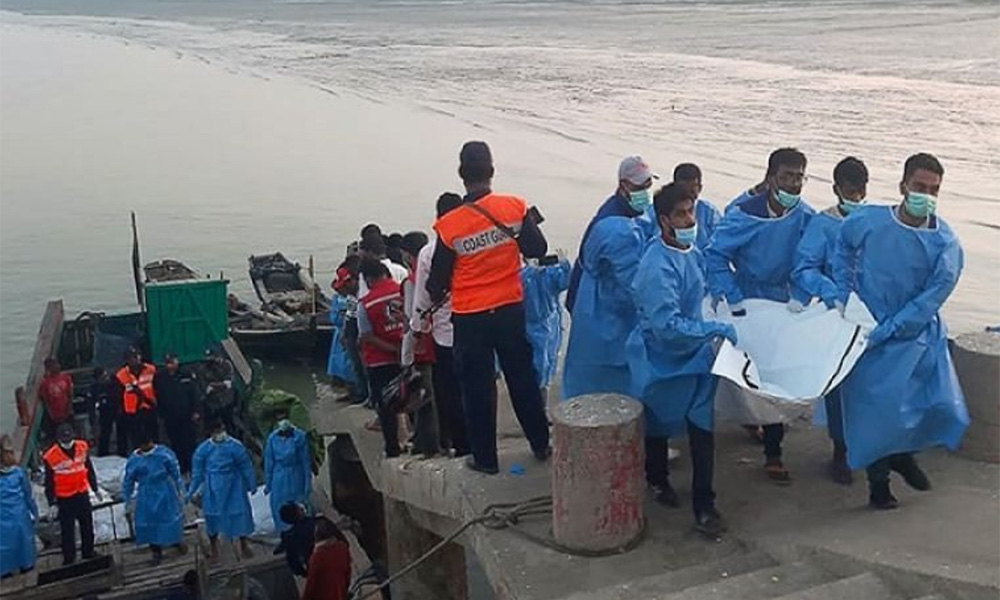
On April 15, the Bangladesh Coast Guard rescued 382 Rohingya people from a large boat. The boat had been turned back by the Malaysian authorities and is believed to have been at sea for two months.
Early reports stated that at least two dozen people on the boat died at sea, and the United Nations High Commissioner for Refugees reported that the survivors were severely malnourished and dehydrated.
Malaysia is currently observing a movement control order (MCO) that prohibits foreigners from entering the country, among other prohibitions.
"Amnesty International calls on regional governments to allow them safe disembarkation, and for the Association of Southeast Asian Nations (Asean) members to urgently agree on emergency measures to prevent another humanitarian crisis.
“Regional governments have been here before and have the means to save their lives," said Algar who warned that without urgent cooperation, Asean would face a new humanitarian crisis while also battling a pandemic.
"It is unacceptable that boats are going unaided and that some are being actively turned away from safe shores. While Malaysia has brought one vessel to shore, it has pushed several more back," she added.
On April 5, another boat carrying 202 Rohingya people was intercepted by the Malaysian Maritime Enforcement Agency. Its passengers were brought to safety and are now in Covid-19 quarantine.
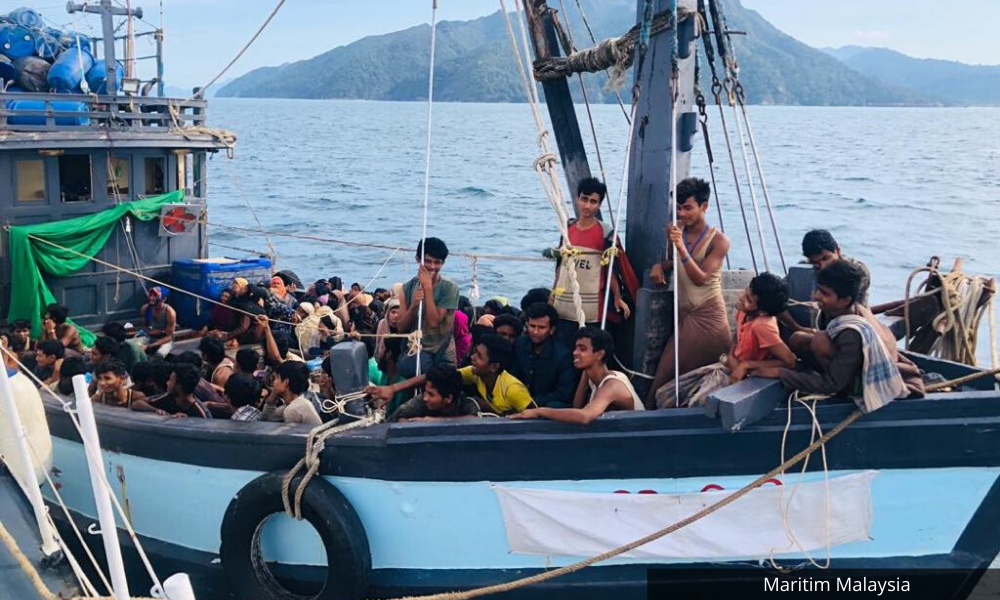
“Thailand and Malaysia should immediately dispatch search and rescue boats with food, water and medicine to meet the urgent needs of possibly hundreds still at sea. They should urgently allow these people safe disembarkation.
Human Rights Watch accused Malaysia’s government of risking lives by pushing back overloaded boats of Rohingya refugees.
"The government can appropriately respond to the Covid-19 pandemic without blocking life-saving rescues of seaborne asylum seekers.
"Malaysia’s claims to support the rights of the Rohingya mean shockingly little when they push desperate refugees back to sea,” said Phil Robertson, deputy Asia director at Human Rights Watch.
"Under international law, public health measures must be proportionate, nondiscriminatory, and based on available scientific evidence.
"Subjecting those who arrive to a period of isolation or quarantine may be reasonable. But the pandemic does not justify a blanket policy of turning away boats in distress, risking the right to life of those on board.
"Malaysia’s pushback policy also violates international obligations to provide access to asylum and not to return anyone to a place where they would face a risk of torture or other ill-treatment," added Robertson.
Keep up with the latest information on the outbreak in the country with Malaysiakini's free Covid-19 tracker.
Malaysiakini is providing free access to the most important updates on the coronavirus pandemic. You can find them here.
Help keep independent media alive - subscribe to Malaysiakini.


Report this comment
Are you sure you want to delete this comment?
This action cannot be undone.