



PN govt backtracking on commitment to revise poverty line - former UN rep
A former UN special rapporteur on extreme poverty and human rights has claimed that the Perikatan Nasional (PN) government is backtracking on the previous Pakatan Harapan administration's commitment to revise the national poverty line.
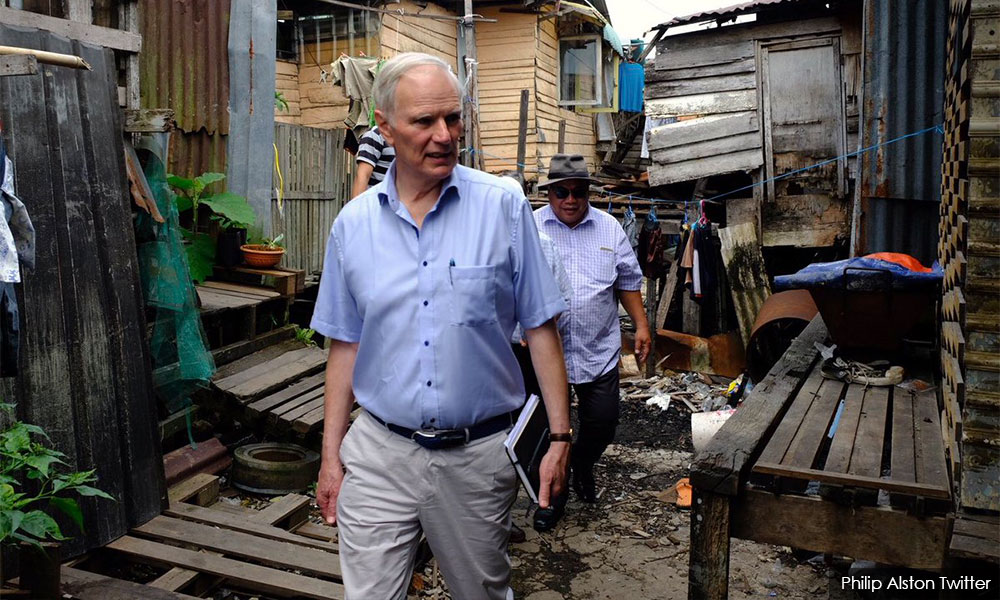
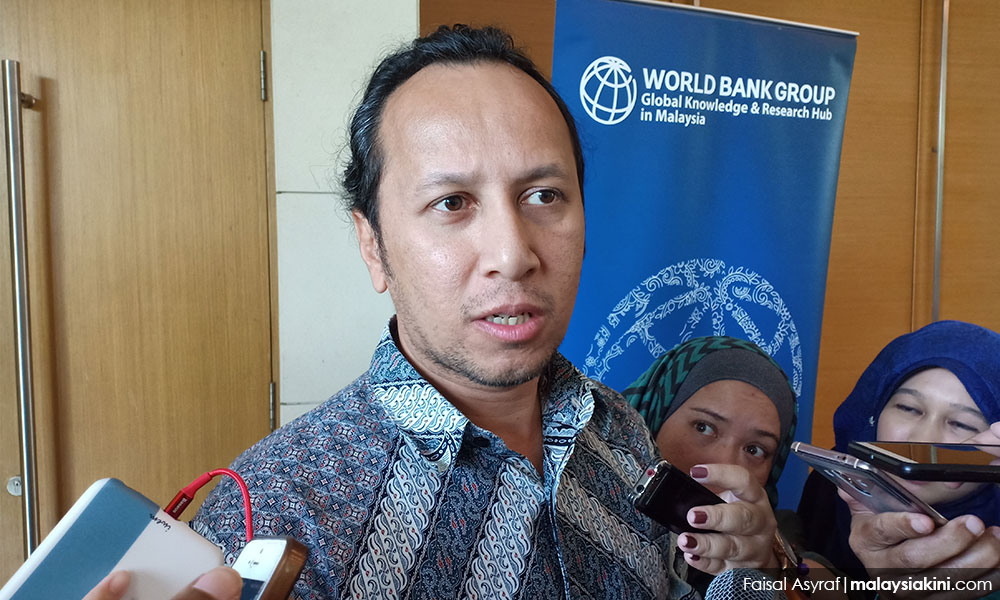
Philip Alston (photo, above), who previously made headlines for suggesting that actual poverty is much higher than the national 0.4 percent rate, said his current view is based on PN's response to the final report of findings from his trip to Malaysia last August.
"Malaysia’s new government has performed a backflip on its predecessors’ commitment to take poverty seriously," he said.
The report from Alston's official visit to Malaysia last year was released today.
He claimed that Harapan under then prime minister Dr Mahathir Mohamad had committed to revising the national poverty rate while PN today insisted "it stands by the absolute poverty rate".
Alston was in Malaysia from last August 11 to Aug 23 and Mahathir had, in an initial response at the time, said the government will study claims that the actual poverty rate is closer to 15 percent.
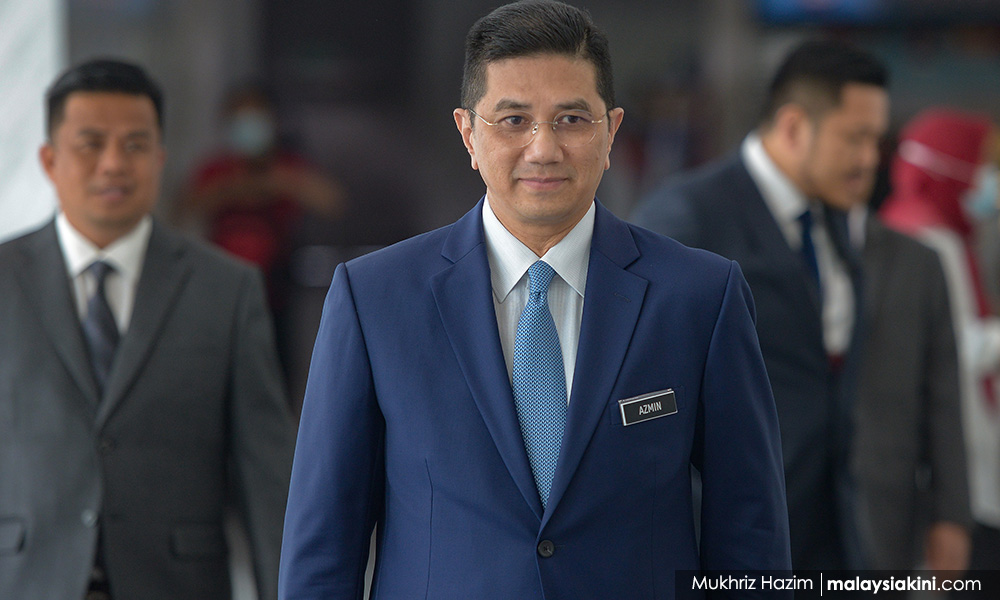
International Trade and Industries Minister Azmin Ali (photo), as the then economic affairs minister, defended the 0.4 percent figure and reportedly described Aston's statements as unacceptable and irresponsible.
Alston said that PN's response to his final report, which maintained that it stands by the absolute poverty rate, has raised doubts over implementation of much-needed changes
"The government's reversal is deeply concerning because the current line is inadequate and almost universally considered to be misleadingly low.
"The insistence that the line is ‘derived from internationally accepted standards’ is a smokescreen and ignores the blatant mismatch between reality and statistics," he said.
"Pretending that almost no-one in the entire country lives in poverty doesn’t change the reality that millions are poor.
"Saving face is one thing, but distorting the facts is quite another," he claimed.
In its response as included in the report, the government said the Poverty Line Income (PLI) of RM980 is calculated based on basic requirements for a household to live healthily and actively, which is more than the PLI targeted in the Sustainable Development Goal 1 at US$1.25 per day (RM5.25).
The PLI is also higher for Sabah at RM1,180 and Sarawak RM1,020 to take into account additional costs, such as transportation.
Describing Malaysia's progress against poverty over the last 40 years as impressive, Alston insisted that the current PLI rates are "outdated and unrealistic".
“If the government wants to eradicate poverty, revising the poverty line is just step one.
"Progress will require a better understanding of the nature of poverty, especially in urban areas, improved social policies, and a new approach towards long-neglected populations that face higher rates of poverty," he said.
The government had said its implementation of poverty eradication policies looks beyond the national PLI numbers to include other demographic factors.
"Hence, assistance is tailor-made according to the needs of the recipients, based on the profiling through the eKasih system which is an innovative initiative by the government to identify the right target groups," it said.
Based on a declining five-year trend with 43,055 extreme poor households and 135,172 poor households recorded as of last February, the government said Malaysia categorically disagreed with Alston's statement that it had failed to eliminate poverty.
'Millions of non-citizens disproportionately affected'
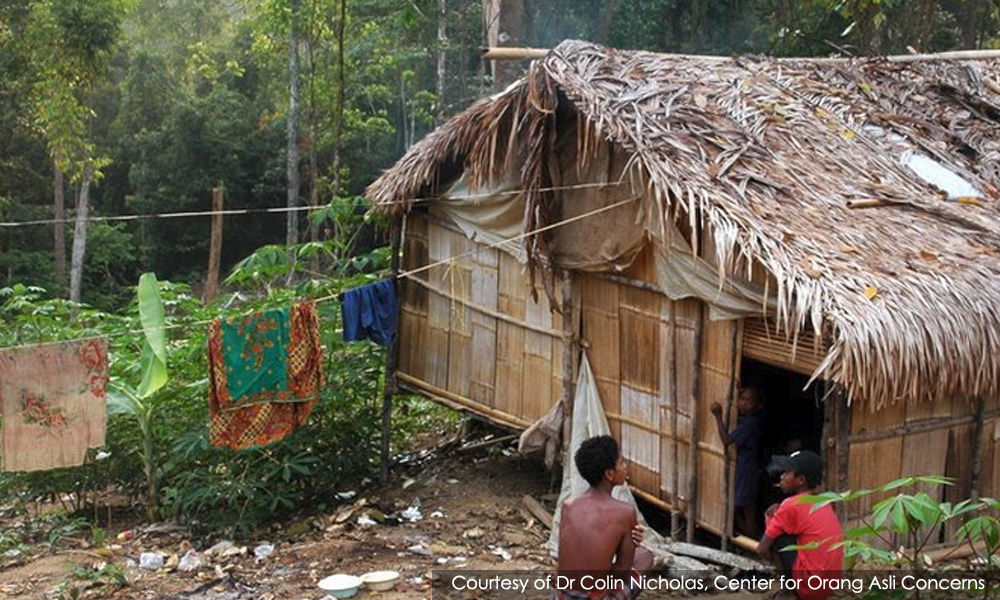
Meanwhile, Alston's report also highlighted that millions of non-citizens are disproportionately affected by poverty, including migrants, refugees, stateless people and unregistered Malaysians.
Among others, it noted that the Orang Asli community continue to face discrimination despite laudable commitments to promote their rights.
"Government officials misunderstand or dismiss their goals and ways of life with alarming regularity.
"Indigenous peoples have far higher rates of poverty than the general population and experience widespread violations of their rights, appropriation of their land, and exclusion from social support," Alston said.
The government in its response to the related issues denied discrimination against migrants and other vulnerable groups, particularly in basic areas of healthcare and education.
Overall, it also denied Malaysia had only acted on poverty reviews following Alston's visit last year, stressing that work to revise the PLI had started during a mid-term review of the 11th Malaysia Plan tabled in October 2018.
Alston’s successor, Olivier De Schutter, is scheduled to present the report to the UN Human Rights Council tomorrow.




Report this comment
Are you sure you want to delete this comment?
This action cannot be undone.