


MTUC joins chorus to increase minimum wage following poverty line revision
The Malaysian Trades Union Congress (MTUC) has joined the chorus urging for an increase to minimum wage following the revision of the poverty line index (PLI) from a monthly household income of RM980 to RM2,208.
“With the new PLI set at RM2,208, the government must now acknowledge that the minimum wage of RM1,100 to RM1,200, especially for urban areas, is not realistic nor in tandem with the cost of living.
The Malaysian Trades Union Congress (MTUC) has joined the chorus urging for an increase to minimum wage following the revision of the poverty line index (PLI) from a monthly household income of RM980 to RM2,208.
“With the new PLI set at RM2,208, the government must now acknowledge that the minimum wage of RM1,100 to RM1,200, especially for urban areas, is not realistic nor in tandem with the cost of living.
“As the poverty index is now set at more than RM2,000, surely the minimum wage must also be adjusted accordingly.
“Considering that the poverty line should include having the resources to lead a healthy, active and dignified life and being able to participate meaningfully in society, MTUC strongly urges the government to revisit the low minimum wage and bring it on par to the living wage,” said MTUC secretary-general J Solomon (above) in a statement today.
This comes after the Congress of Unions of Employees in the Public and Civil Services (Cuepacs) had also yesterday urged the government to review the minimum wage in light of the new RM2,208 poverty line.
While MTUC praised Putrajaya for taking steps to recalibrate the PLI to a more realistic figure, Solomon said the PLI of RM2,208 can be further improved, considering the benchmark is for a family of four to live actively and healthily.
“This is to cater to the high cost of living in urban areas where 75 percent of Malaysians are employed, with many of them on low paying jobs and saddled with high household debts due to the spiralling cost of living,” he said.
Bank Negara has estimated that up to 27 percent of the households living in Kuala Lumpur are earning below the living wage, that is, the level of income needed for a household to afford a minimum acceptable standard of living, he explained.
“The RM2,208 benchmark for poverty is considerably less than the RM2,700 monthly income MTUC has been urging the government to fix as the minimum living wage, especially in urban areas,” he said.
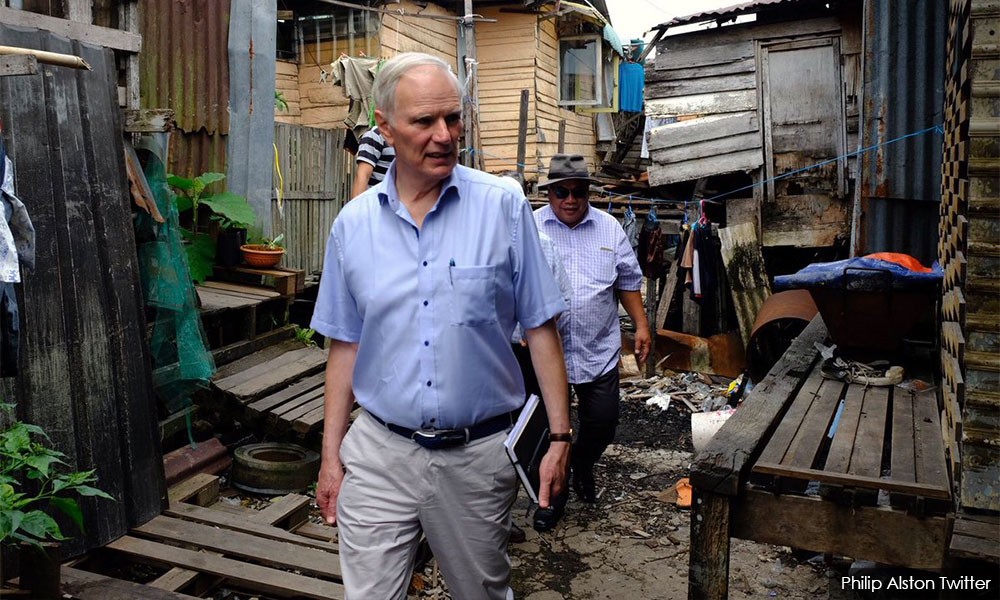
Solomon also noted that the revision of the PLI to RM2,208 also shows that the government has taken seriously the findings of Philip Alston, the former United Nations special rapporteur on extreme poverty and human rights whose report debunked Putrajaya’s earlier claims that poverty had been virtually eradicated in Malaysia.
Based on this new methodology of calculations, Solomon said the government has now acknowledged that the national poverty rate in 2016 should have been close to eight percent and not 0.4 percent.
“It also means that at least for the past four years, Putrajaya failed to address the needs of millions of people who were living below the poverty line but were not recognised as poor because of the antiquated way data was collated,” he said.
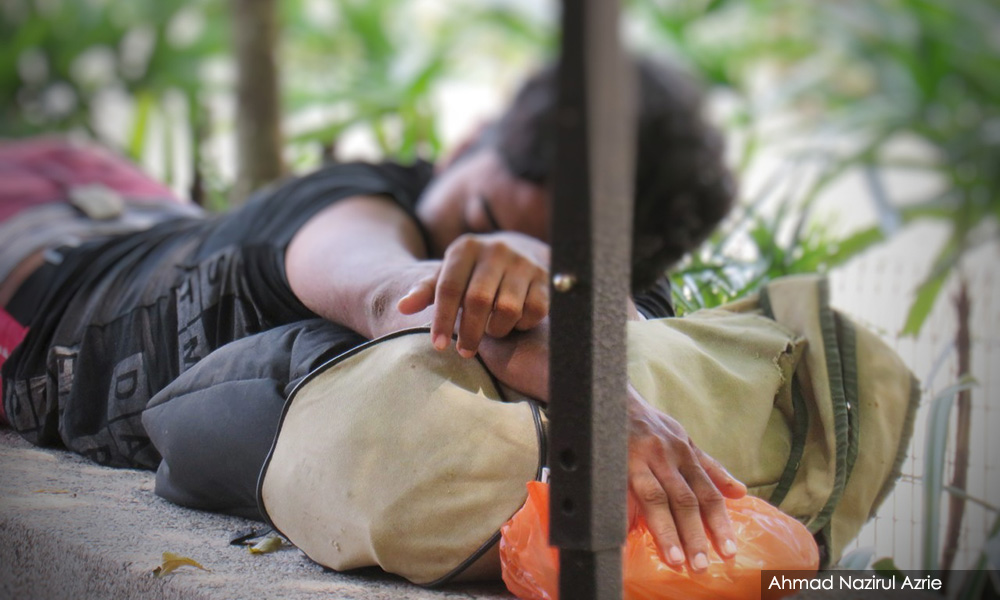
Though the poverty rate has dropped from 7.6 percent in 2016 to 5.6 percent last year based on the new PLI, he said poverty is likely to worsen in the coming months due to the hundreds of thousands of workers who have been laid off or forced to take pay cuts due to the Covid-19 pandemic.
“As such, MTUC hopes the establishment of a new PLI will bring forth effective public policies which will create jobs and enable workers to have better wages, more disposable income as well as increase their Employees Provident Fund (EPF) savings for retirement.
“Those mired in poverty are from the B40 and M40 groups of blue-collar workers whose salaries have largely stagnated and unable to sustain the high cost of living, forcing them to incur high household debts.
“This is a key factor that has accelerated poverty in urban Malaysia,” he said.
Solomon also said that MTUC agrees with Minister in the Prime Minister’s Department (Economy) Mustapa Mohamed (below) that the government would only be able to formulate the right strategies and policies by using accurate statistics, especially in drawing up the 12th Malaysian Plan which will be tabled in Parliament early next year.
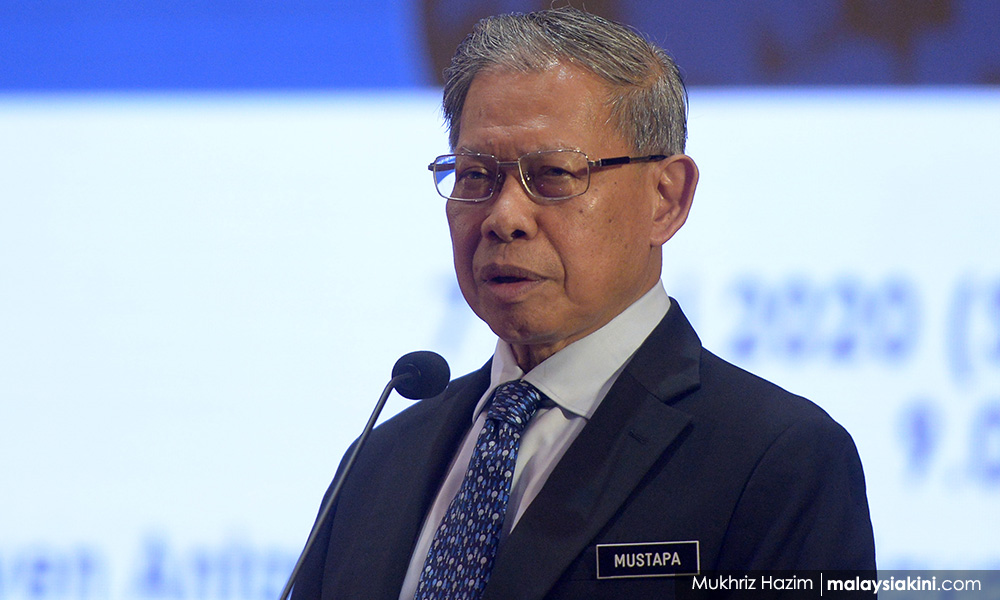
“MTUC calls on the relevant ministries and public agencies to give top priority to Mustapa’s call that they pay heed to the 2019 PLI in reviewing and formulating policies related to poverty eradication and social assistance,” Solomon said.
Last week, Alston claimed that the Perikatan Nasional government was backtracking on Pakatan Harapan’s commitment to revising the national poverty line.
In response, Mustapa said the government had updated its mechanism to more accurately determine the national poverty rate and PLI.
Alston made headlines last year for suggesting that the real poverty rate in Malaysia was about 15 percent, much higher than the official 0.4 percent.




Report this comment
Are you sure you want to delete this comment?
This action cannot be undone.