



World temperature record set in California's Death Valley
One of the hottest air temperatures recorded anywhere on the planet in at least a century, and possibly ever, was reached on Sunday afternoon at Death Valley in California's Mojave Desert, where it soared to 130 degrees Fahrenheit (54.4 degrees Celsius).
An automated observation system run by the US National Weather Service in the valley's sparsely populated Furnace Creek reported the record at 3.41pm local time at the crest of an extreme heatwave, a more frequent occurrence due to climate change...
One of the hottest air temperatures recorded anywhere on the planet in at least a century, and possibly ever, was reached on Sunday afternoon at Death Valley in California's Mojave Desert, where it soared to 130 degrees Fahrenheit (54.4 degrees Celsius).
An automated observation system run by the US National Weather Service in the valley's sparsely populated Furnace Creek reported the record at 3.41pm local time at the crest of an extreme heatwave, a more frequent occurrence due to climate change.
It was a dry heat: Humidity fell to seven percent. But it felt "insanely hot" all the same, according to meteorologist Daniel Berc at the weather service's Las Vegas bureau. A heatwave roasting much of the western United States would continue all week, he said on Monday.
"It's literally like being in an oven," Berc said in a telephone interview. "Today is another day we could take another run at 130F."
Tourists on Monday took selfies by an outdoor thermometer at the Death Valley visitor centre while avoiding touching metal surfaces with bare skin.
Those who live and work in Furnace Creek, which had a population of 24 in the 2010 census, saw cause for pause in the record.
"We are seeing more records being broken at a daily and monthly level," said Brandi Stewart, a public information officer for Death Valley National Park who can see the Furnace Creek weather station from her window. "It is significant that we're seeing more records breaking."
A temperature of 134F (56.7C) was recorded in Death Valley in July 1913, and Kebili, Tunisia, is said to have hit 131F in July 1931, according to the World Meteorological Organization. But recent research by Christopher Burt, an extreme weather expert, has led some meteorologists to view these older records as the results of observer error.
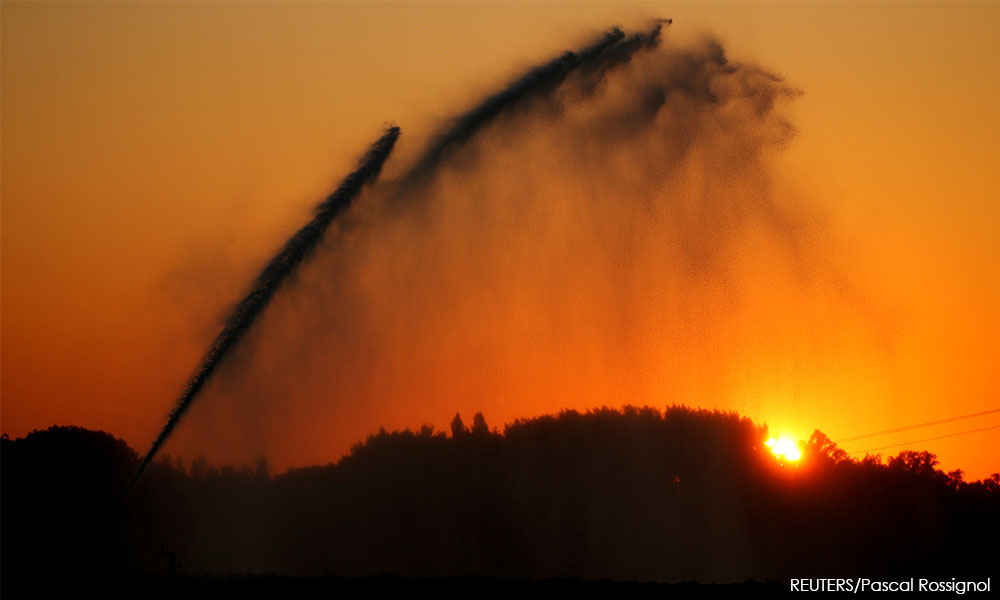
Climate change has pushed global temperatures to new highs. In Europe, northern Spain broke local heat records in July, while wheat fields in France caught fire.
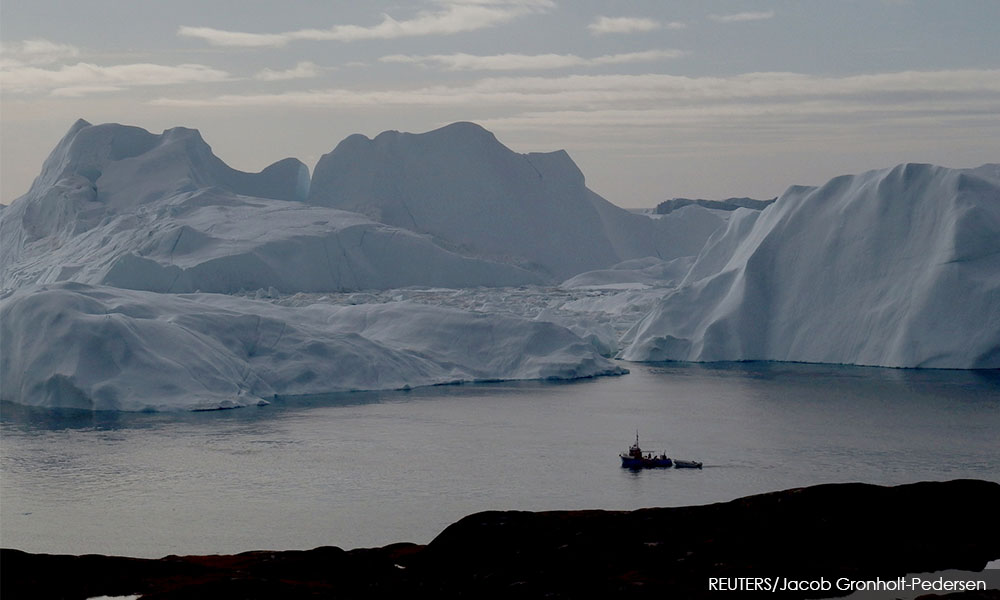
Forests across Siberian Russia are seeing unprecedented wildfires, while the Arctic sea ice shrank to a record low for July due to melting.
In Furnace Creek, staff and guests at The Oasis Hotel were being urged to wear hats and sip water relentlessly while outside, according to general manager John Kukreja.
He tells guests that extreme heat does strange, deceptive things to the body.
"You're going to sweat and the sweat's going to dry instantly and you're never going to know you actually felt hot," Kukreja said. "Your hair stands on end. It's almost like you feel like you're cold, like goosebumps."
- Reuters




Are you sure you want to delete this comment?
This action cannot be undone.