



CMCO, workplace testing enough to keep virus at bay in Klang Valley - DG
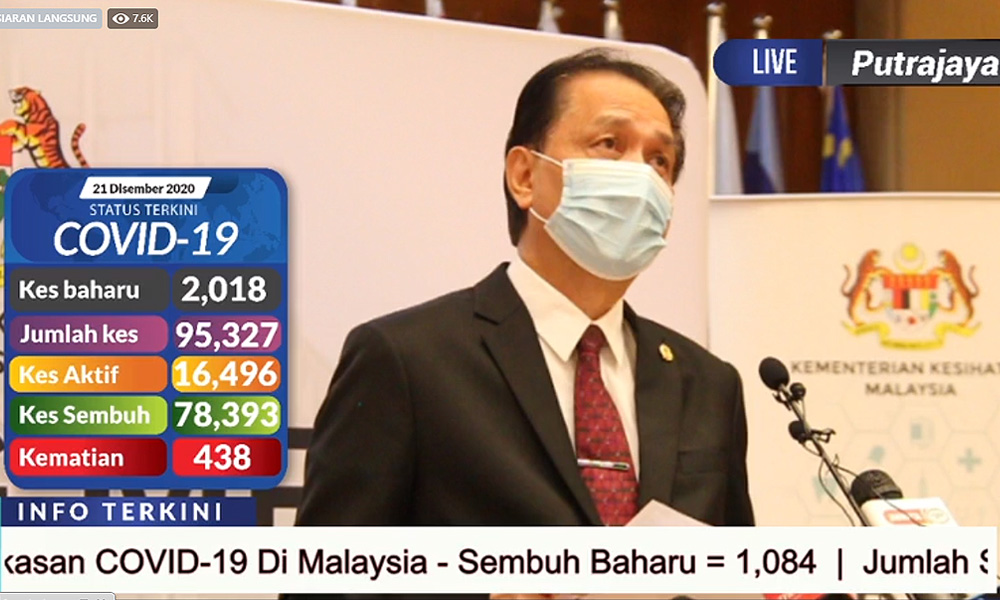
COVID-19 | The conditional movement control order (MCO) is sufficient in addressing the worsening Covid-19 outbreak in the Klang Valley, Health director-general Dr Noor Hisham Abdullah opined today.
He was asked during a press conference this evening if more stringent restrictions were needed in light of the sharp virus spike in Klang...
COVID-19 | The conditional movement control order (MCO) is sufficient in addressing the worsening Covid-19 outbreak in the Klang Valley, Health director-general Dr Noor Hisham Abdullah opined today.
He was asked during a press conference this evening if more stringent restrictions were needed in light of the sharp virus spike in Klang.
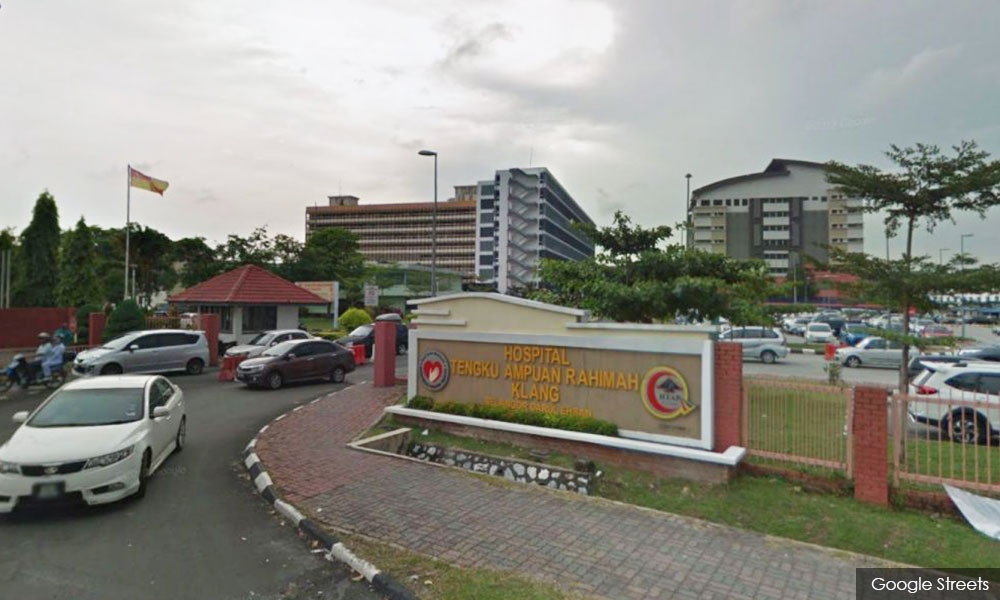
As of noon today, Klang recorded a total of 4,164 active cases - the highest among districts nationwide.
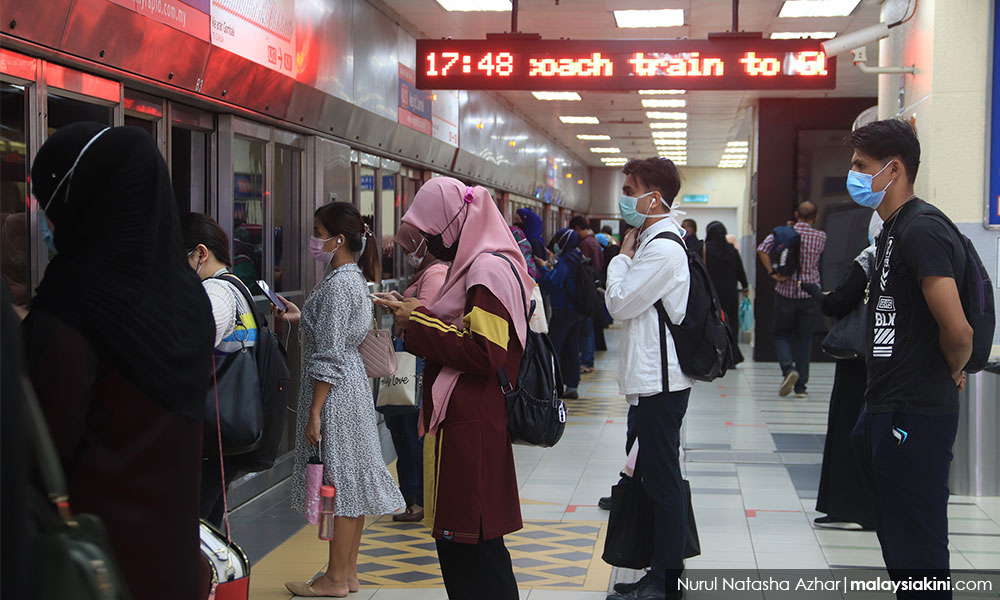
In response, he sidestepped the question to say the ministry had taken proactive measures by imposing the conditional MCO two months ago.
He pointed out that the move had managed to bring the infectivity rate (R0) in the Klang Valley down to 0.97.
“By announcing the conditional MCO from Oct 14, we took a proactive step.
“At the time, many doubted us (and asked) why we took such a step,” he said.
Without a conditional MCO, Hisham cautioned that infections were projected to soar to some “four million residents” in the Klang Valley.
The ministry also projected that the R0 would have spiked to 2.2.
Malaysian Public Health Physicians Association president Dr Zainal Ariffin Omar recently called for stricter measures lest Klang ended up becoming a “mini Sabah”.
Sabah was previously the epicentre of the third wave of infections.
Klang MP Charles Santiago, meanwhile, has urged for more coordination and transparency in the government’s Covid-19 response.
CMCO worked in other states
Elaborating, Hisham touted how the conditional MCO had managed to bring Covid-19 under control in Sabah, Sarawak and Kedah.
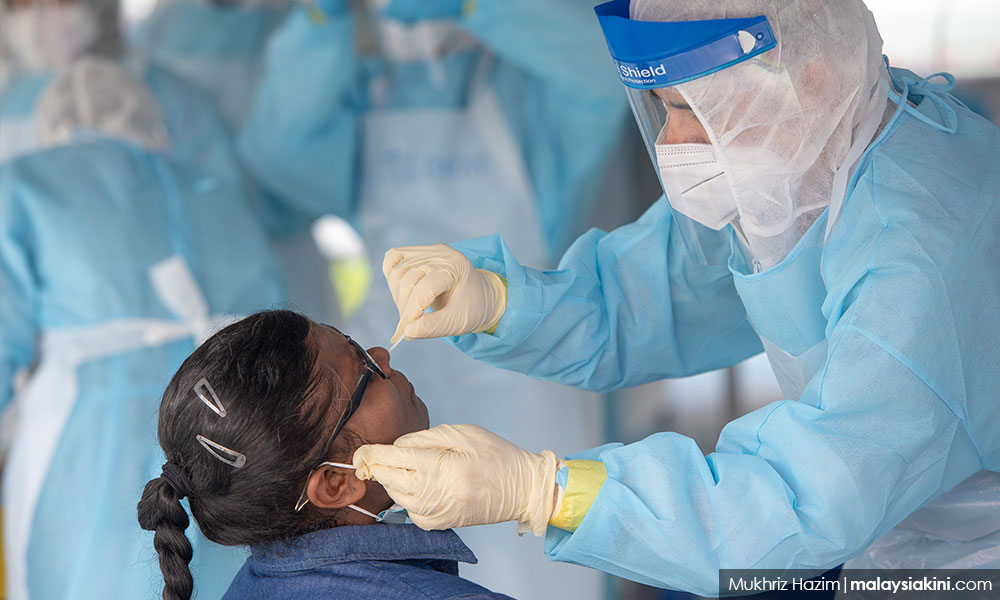
Aside from imposing movement restrictions, he said the ministry will also be ramping up workplace testing.
“Our focus is on migrant workers and workplace testing at construction sites and factories.
“We will ramp up these testings to identify (cases) to ensure community transmission can be reduced.
“We will continue our efforts and we might see the impact of our public health intervention in maybe one or two months,” he explained.
Clusters were recently detected among workers at major rubber globe manufacturers like Top Glove, Kossan and Hartalega.



Report this comment
Are you sure you want to delete this comment?
This action cannot be undone.