




Hundreds of thousands of ox-themed clothes stuck at retail outlets
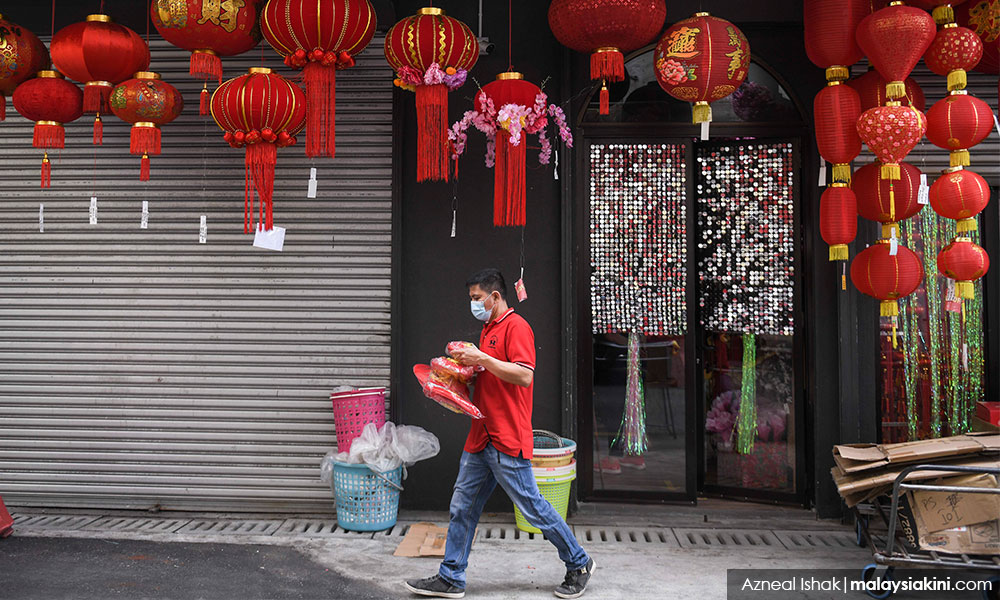
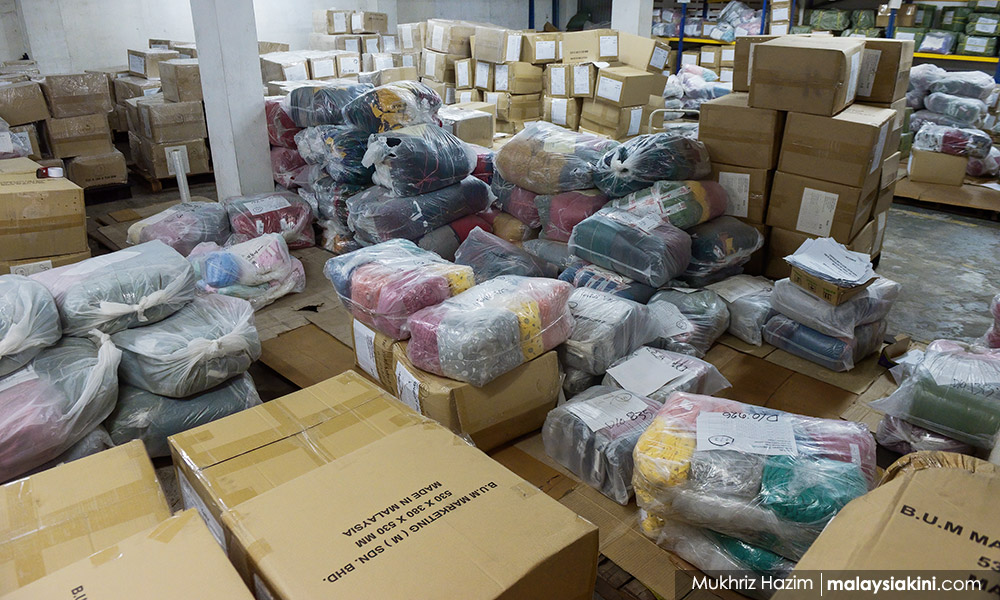
Hundreds of thousands of Chinese New Year apparel are currently stuck at the retail outlets or production lines or warehouses as the government has banned textile factories and apparel retail outlets from operating during the movement control order (MCO 2.0).
The Federation of Malaysian Fashion, Textiles and Apparels (FMFTA) has appealed to the government to allow the industry to operate during the MCO 2.0 so that retail outlets have ample time to clear their festive stock, while textile manufacturers could resume their productions to meet contract requirements.
"The festive merchandise will need to hit the retail outlets one month before the Chinese New Year for the outlets to sell them. Currently...
Hundreds of thousands of Chinese New Year apparel are stuck at retail outlets, production lines or warehouses as the government has banned textile factories and apparel stores from operating during the second movement control order (MCO 2.0).
The Federation of Malaysian Fashion, Textiles and Apparels (FMFTA) has appealed to the government to allow the industry to operate during the MCO 2.0 so that retail outlets would have ample time to clear their festive stocks, while textile manufacturers could resume production to meet contract requirements.
"The festive merchandise will need to hit the retail outlets one month before the Chinese New Year for the outlets to sell them.
"Most of these clothes are stuck at the retail outlets and shops while some are still being kept at the factories," FMFTA chairperson Tan Thian Poh told Malaysiakini.
If the clothes do not reach the market in time, he fears the industry will sustain revenue losses because the items come in auspicious colours and ox-themed prints in conjunction with the Year of Ox, and will not be accepted by consumers after the festivities end.
Tan said the textile industry, which barely survived the first lockdown, was banking on festive sales to boost its revenue.
He recalled how 20 to 30 percent of industry players were forced to wind up due to the economic fallout caused by Covid-19 last year.
"Last time, the retail outlets were allowed to reopen only a few days before Hari Raya Aidilfitri. We still suffered losses nonetheless (as consumers were not given enough time to buy new clothes)," he added.
Back then, Tan reportedly said the industry suffered more than RM6 billion in revenue loss as of April 2020.
"This time, the estimated daily loss to be incurred by the textile manufacturers is about RM72 million due to MCO 2.0 and another RM120 million per day on the retail side.
"The federation has written an appeal to the International Trade and Industry Ministry and Domestic Trade and Consumer Affairs Ministry to allow us to reopen with strict compliance to the standard operating procedure (SOP)," he said.
Tan added that he failed to understand the rationale behind closing down a small fraction of factories and shops but allowing manufacturing and production lines to operate.
"When the government allowed the manufacturing and production sectors to operate during MCO 2.0, we thought that we were not affected.
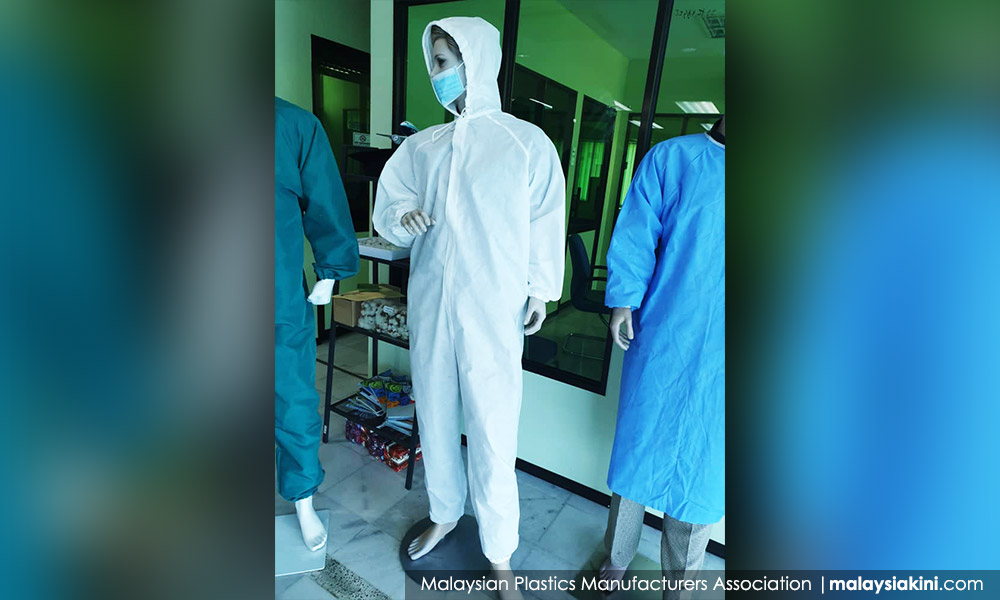
"But we ultimately found out that only those involved in manufacturing personal protective equipment (PPE) are allowed to operate and they could only produce PPE.
"If there is a total shutdown of all industries for a short time to flatten the Covid-19 curve, I am okay with it. But now, we expect a partial shutdown (to do wonders) to flatten the Covid-19 curve. I feel that this (closure) is going to drag for months," he said.
"Why is the fashion, apparel and textile industry not allowed to operate but the rest can? You can go buy jewellery but you cannot buy clothes," he added.
Most sectors of the economy are allowed to operate during MCO 2.0, as compared to when it was first implemented on March 18, 2020.
Furniture outlets, jewellery stores, laundry services and vehicle workshops are among other businesses that can continue operation.



Are you sure you want to delete this comment?
This action cannot be undone.