




Gym owners urge govt to reconsider restrictions, say jobs on the line
The Coalition of Fitness Industry Owners & Operators has requested the government to reconsider several restrictions even though the sector has been allowed to reopen.
As announced by Defence Minister Ismail Sabri Yaakob yesterday, all gym activities must be scheduled and by appointment.
The Coalition of Fitness Industry Owners & Operators has requested the government to reconsider several restrictions even though the sector has been allowed to reopen.
As announced by Defence Minister Ismail Sabri Yaakob yesterday, all gym activities must be scheduled and by appointment.
Social distancing must be observed in the gym between one metre and three metres for static activities and three metres and five metres for dynamic activities.
Other than that, group classes and the use of changing rooms and shower facilities are not allowed.
Below are among requests by the coalition's members for the government to lift these restrictions:
Kenny Sia of Level Up Fitness: “At a time when personal hygiene considerations should be at its peak, we feel that not allowing people use of changing rooms and shower facilities is counter-productive."
Shaun Alexander of Peak Fitness: “As long as we continue to educate and remind our members and staff alike to ensure they abide by social distancing guidelines whenever and wherever they are on the premises, we believe that allowing us to provide changing rooms and shower facilities is a critical aspect in our fight against the virus."
James Putnam of CrossFitlah: "For many operators whose business model is based on providing group fitness classes, disallowing classes or group classes is the ultimate death knell for an industry that is already on its knees. Not allowing group classes effectively removes our control and ability to ensure strict compliance with the SOPs. When we run group classes we can manage exactly what the attendees will be doing, what equipment they’ll use, when they’ll do it, and where they’ll do it."
Raheem Hamilton of Anytime Fitness: "Group fitness classes help our members stick to a fixed routine and keeps them motivated as they exercise amongst other like-minded individuals."
Goh Seng Hup of Priority Fitness: “While my personal trainers are ecstatic at the latest news, my group fitness instructors remain concerned about their livelihoods as many are commission-based. They are paid by class, and therefore, with the restriction, they continue to not receive any income.”
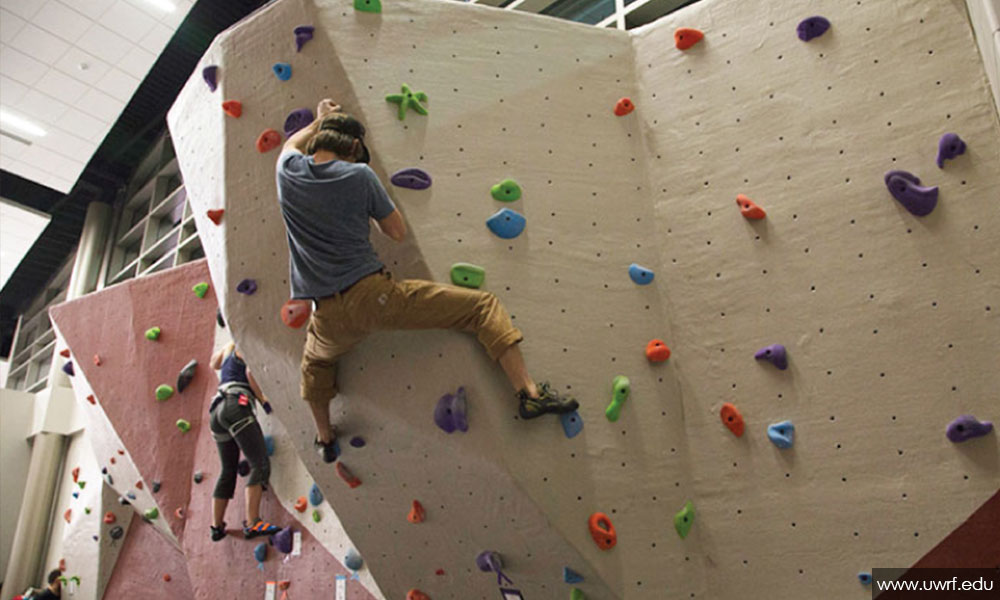
Jeremy Peet of Camp 5: “We have had no reports of any transmissions throughout our five climbing facilities. We’ve always adhered to the SOPs including following the Ministry of Health’s guidelines of sanitising common surfaces every three hours. Restrictions are necessary, but they need to be evidence-based.”
Krishna Kumar of Enrich Fitness: “We have successfully operated under a restricted SOP environment without the need for prior booking. Labouring an already commercially-affected industry, especially the neighbourhood shop lot gyms, with this requirement, will increase the burden of unnecessary incremental costs and process. We were already successful, and frankly, do not have the means to implement this new process.”
The coalition said last month it had conducted a survey resulting in 235 responses from stakeholders in the fitness industry in Kuala Lumpur, Putrajaya, and nine other states.
Among the findings are:
- Nearly 50 percent of respondents report that they have lost more than 40 percent of their membership base in the last 12 months, with an additional one third losing between 21 and 40 percent.
- Almost half say that in the event of the movement control order (MCO) being extended and gyms not being allowed to resume operations, they will have to resort to permanent closure.
- About 80 percent of respondents say they only have enough cash reserves to last from one to three months. Out of this number, one third say their funds will run out in under 30 days.
- 35 percent have laid off staff, out of which a third have laid off more than 40 percent of their workforce.
- Nearly half of the respondents are most likely to lay off staff if the current MCO conditions are prolonged, with a quarter saying they expect to have to lay off more than 30 percent of their workforce.



Are you sure you want to delete this comment?
This action cannot be undone.