



Revisiting nation's first Covid-19 hotspot - Simpang Renggam
“Team, are you okay?” hollered Dr Hanihaselah Mohd Saleh each time she wanted to do a “spot check” on her overworked staff’s enthusiasm levels.
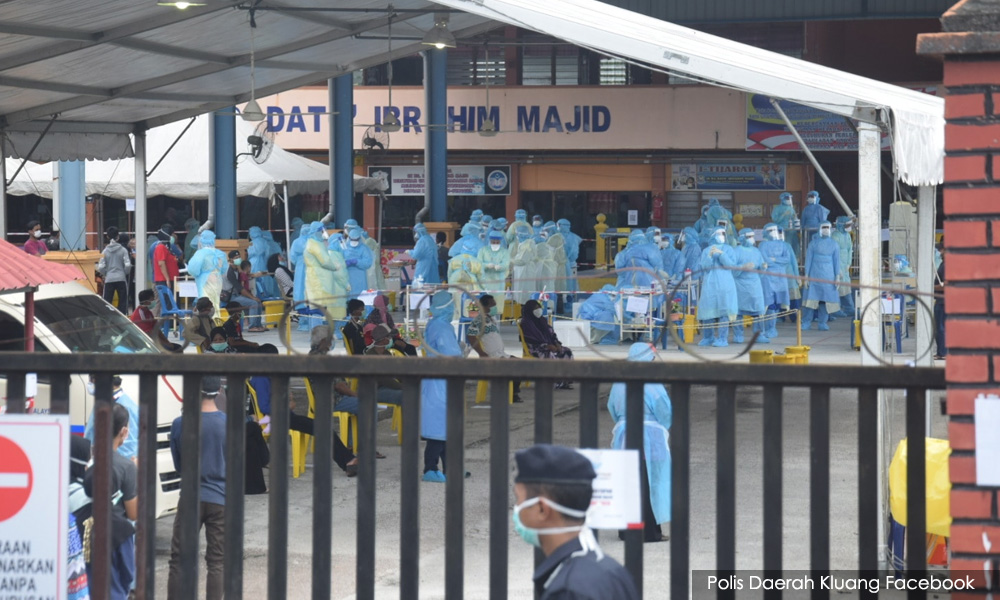
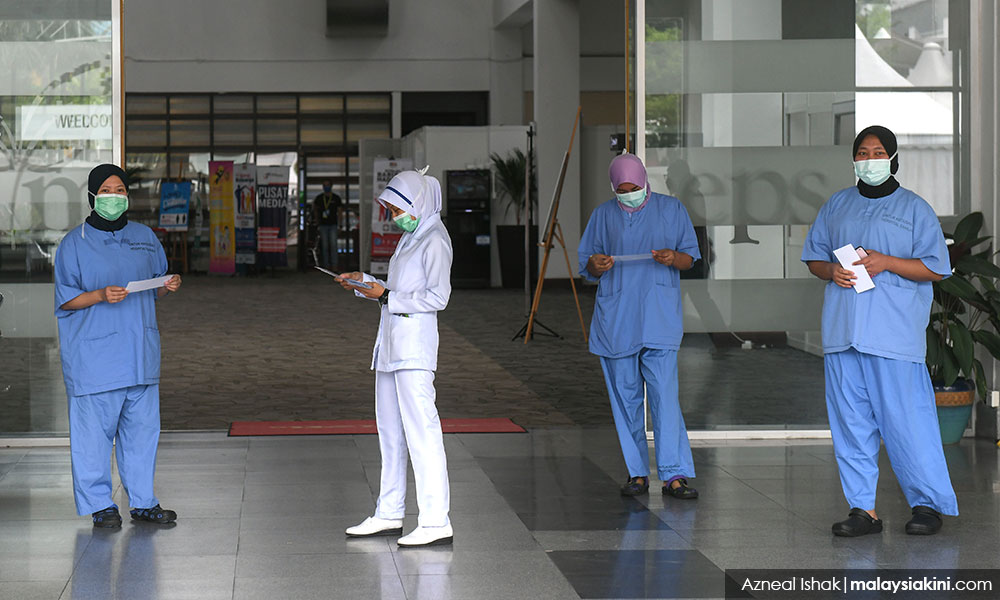
Her concern was understandable as they had been slogging non-stop carrying out swab tests on hundreds of people at a makeshift Covid-19 testing centre at SK Dato' Ibrahim Majid in Simpang Renggam, Kluang Johor.
It was a daunting task for the Ministry of Health’s (MOH) healthcare team on duty there in March last year as they were experiencing a number of firsts.
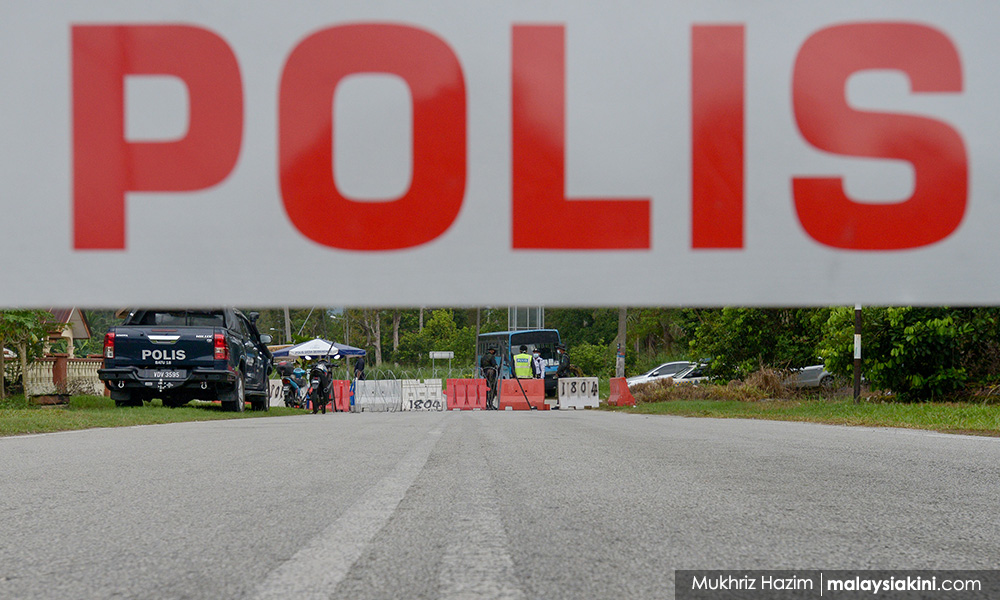
It was then still the early days of an unprecedented global pandemic caused by a coronavirus that scientists all over the world were scrambling to decode and in Malaysia, Simpang Renggam was the first to be placed under an enhanced movement control order (MCO) on March 27, 2020, following the enforcement of the nationwide MCO on March 18 to curb the spread of Covid-19.
To be more specific, the enhanced MCO covered two areas in Simpang Renggam – Bandar Baru Dato' Ibrahim Majid and Kampung Dato' Ibrahim Majid, as well as several villages located within a 20km buffer zone – which had a...
“Team, are you okay?” hollered Dr Hanihaselah Mohd Saleh each time she wanted to do a “spot check” on her overworked staff’s enthusiasm levels.
Her concern was understandable as they had been slogging non-stop carrying out swab tests on hundreds of people at a makeshift Covid-19 testing centre at SK Dato' Ibrahim Majid in Simpang Renggam, Kluang Johor.
It was a daunting task for the Ministry of Health’s (MOH) healthcare team on duty there in March last year as they were experiencing a number of firsts.
It was then still the early days of an unprecedented global pandemic caused by a coronavirus that scientists all over the world were scrambling to decode and in Malaysia, Simpang Renggam was the first to be placed under an enhanced movement control order (MCO) on March 27, 2020, following the enforcement of the nationwide MCO on March 18 to curb the spread of Covid-19.
To be more specific, the enhanced MCO covered two areas in Simpang Renggam – Bandar Baru Dato' Ibrahim Majid and Kampung Dato' Ibrahim Majid, as well as several villages located within a 20km buffer zone – which had a population of 2,599 (650 families) and where 61 Covid-19 positive cases were detected.
The enhanced MCO, which was initially for a two-week period, had to be extended to a month till April 28 when the order was lifted.
Swabbing exercise
Recollecting the hectic and eventful period in Simpang Renggam, Hanihaselah, who is the family medicine specialist at the Mengkibol Health Clinic, said the first Covid-19 case in Bandar Baru Dato' Ibrahim Majid was confirmed on March 13, 2020, involving a person who had participated in a Tabligh gathering at Masjid Sri Petaling in Selangor between Feb 18 and March 2 the same year.
Starting with the index case, the community transmission of the deadly coronavirus eventually saw a total of 193 people testing positive for Covid-19 in Simpang Renggam, including four who succumbed to the highly infectious disease.
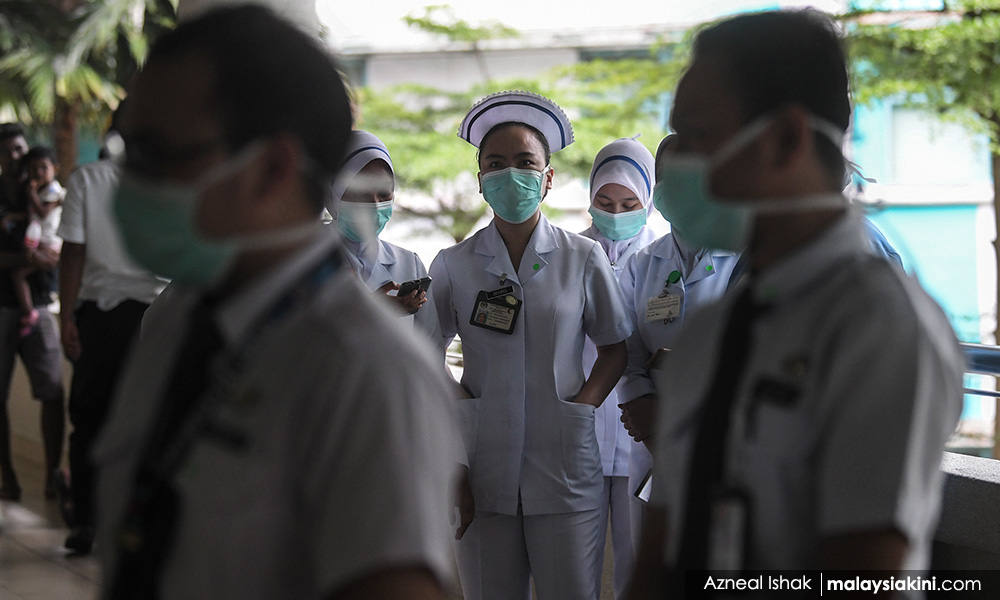
As the “commander” of her team, comprising 80 to 100 personnel from MOH healthcare facilities in Johor who worked on a rotation basis, Hanihaselah, 54, had to oversee active case detection efforts which involved taking 300 to 500 swab samples every three hours a day from individuals residing in the enhanced MCO areas.
Like a war
For the MOH staff involved, tackling the Covid-19 outbreak was certainly not a smooth-sailing affair. It was the first time they were dealing with a disease that threatened to paralyse the world.
Since it was still the early days of the pandemic, there were no clear-cut standard operating procedures (SOPs) with regard to the collection of swab samples in a systematic manner.
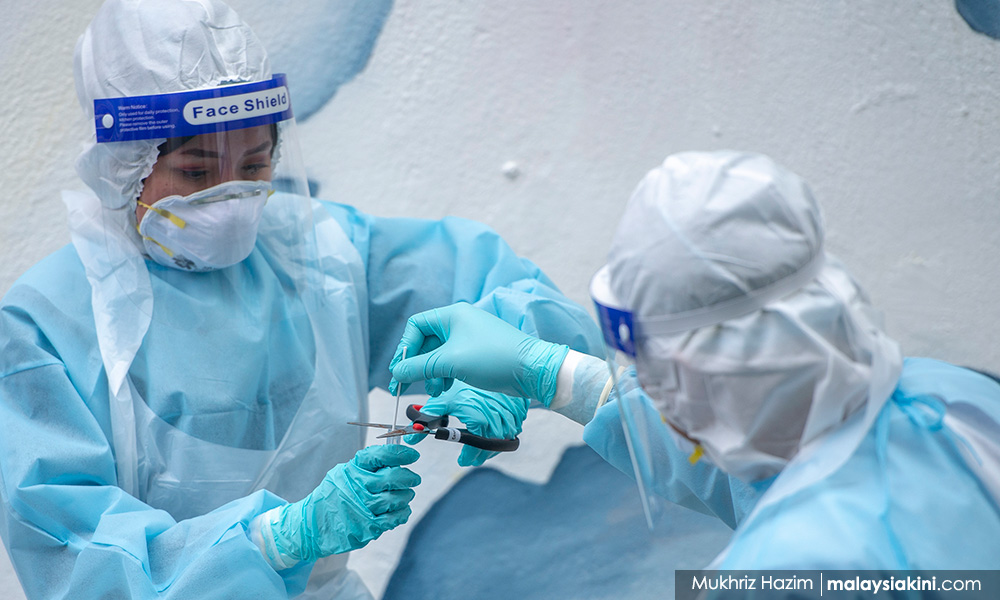
Among the challenges they faced was putting in place a more systematic work procedure that would reduce the risk of cross-contamination between healthcare workers and residents who had to be tested for Covid-19.
Hanihaselah, meanwhile, had to face the additional task of boosting the morale of her team who were involved in the swabbing exercise.
“It was as if a war was taking place,” she recalled. “After the enhanced MCO was declared, there was a complete shutdown in the affected areas. Police and soldiers stood on guard on all the roads. Each time we were on the road, we could see soldiers on the right and left. And, I would say to myself, ‘Yes, we are going to war but the enemy we are encountering is an invisible one’.”
She said when she first found out she was going to head a team to handle a situation for which the usual SOPs could not be applied, she realised she had to motivate herself first and develop a can-do attitude.
“I knew I had to have a positive outlook in order to motivate my team members,” said Hanihaselah, who has worked with MOH for 29 years.
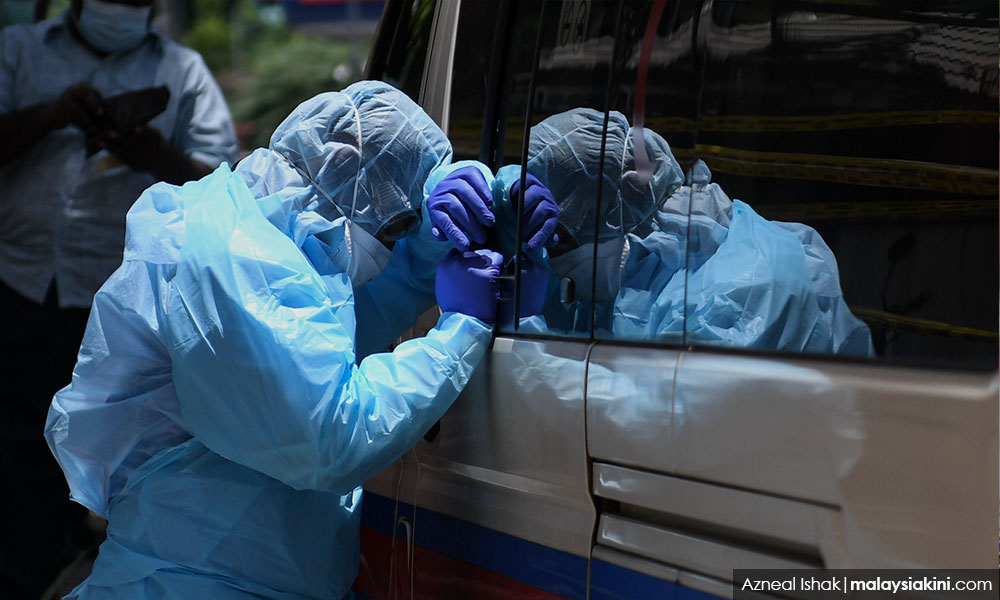
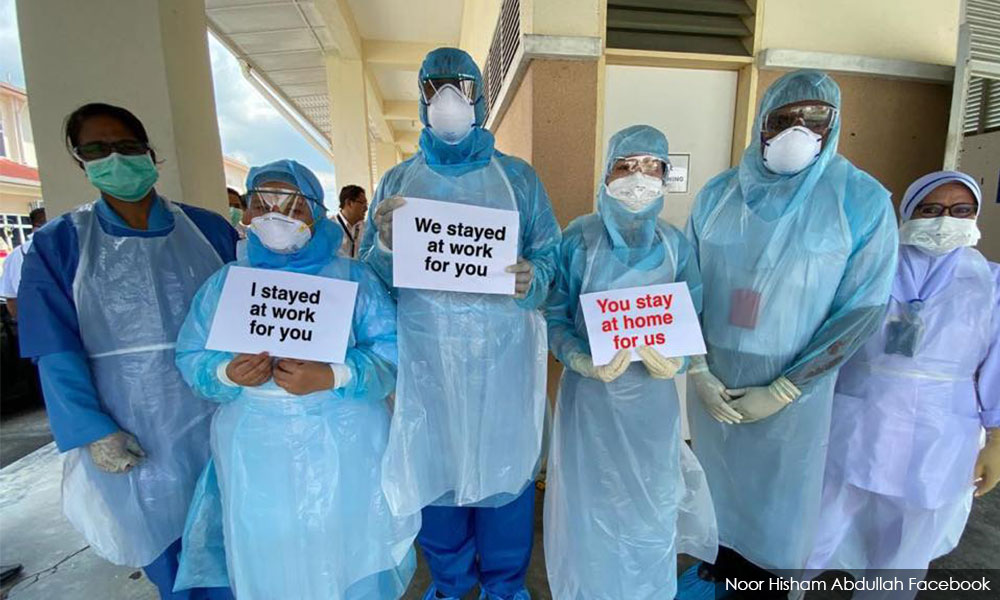
The other things the team had to grapple with were insufficient personal protective equipment (PPE) and the discomfort of wearing them for long hours.
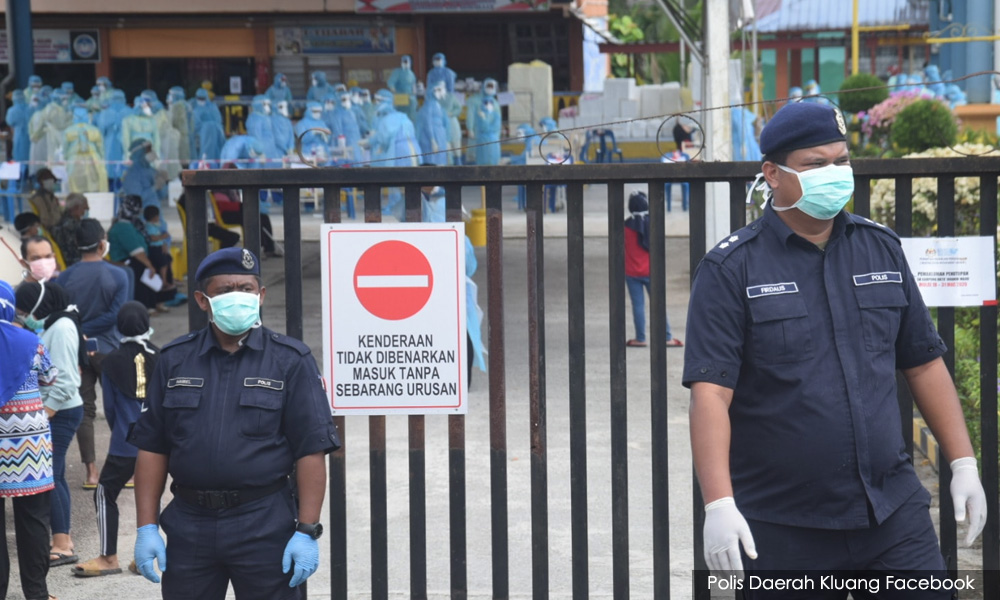
“We just didn’t have enough PPE, so we wrapped our legs with rubber and wore plastic garbage bags… these were some of our unforgettable experiences. We did all this to ensure our protection. At that time, we did the best we could to protect ourselves,” she added.
Victory
Last year’s Ramadan would forever be extra meaningful to Hanihaselah and her team because they managed to wrap up their duties in Simpang Renggam a few days before the first day of the fasting month on April 24.
The EMCO for the affected areas in Simpang Renggam was lifted on April 28, 2020.
“When I was on duty in Kampung Datuk Ibrahim Majid, it was my dream to get my whole team out of there safely before Ramadan. Fortunately, none of us were infected,” the mother-of-three said.
She added adding that it was teamwork and the cooperative spirit of her team members that ensured the success of Malaysia’s first enhanced MCO “operation”.
Book
Describing her state of mind as the head of a team, which included healthcare staff who were newly-appointed and inexperienced, venturing into an “unchartered territory”, Hanihaselah said mental resilience was crucial as they were working in an environment fraught with the risk of infection.
“I also constantly made sure my team members were in good condition considering they were working in a new environment involving a pandemic,” said the doctor, who also shared her daily experiences during the enhanced MCO on her personal Facebook account.
The positive and encouraging comments from online users prompted her to document her experiences in an e-book titled “Tragedi Ibrahim Majid: Diari Seorang Frontliner” (Ibrahim Majid Tragedy: Diary of a Frontliner), the first part of which was uploaded on Feb 22 this year.
“I hope my diary will help to immortalise the events that took place in the two villages (placed under enhanced MCO)… it is something the residents and their future generations can refer to in time to come.
“They can find out how the residents and frontliners made use of their physical, mental, and spiritual strength to weather the storm,” added Hanihaselah, who is currently putting the final touches to the second part of her e-book.
- Bernama


Are you sure you want to delete this comment?
This action cannot be undone.