



Pandemic of violence: Covid-19 forcing women to return to abusive partners
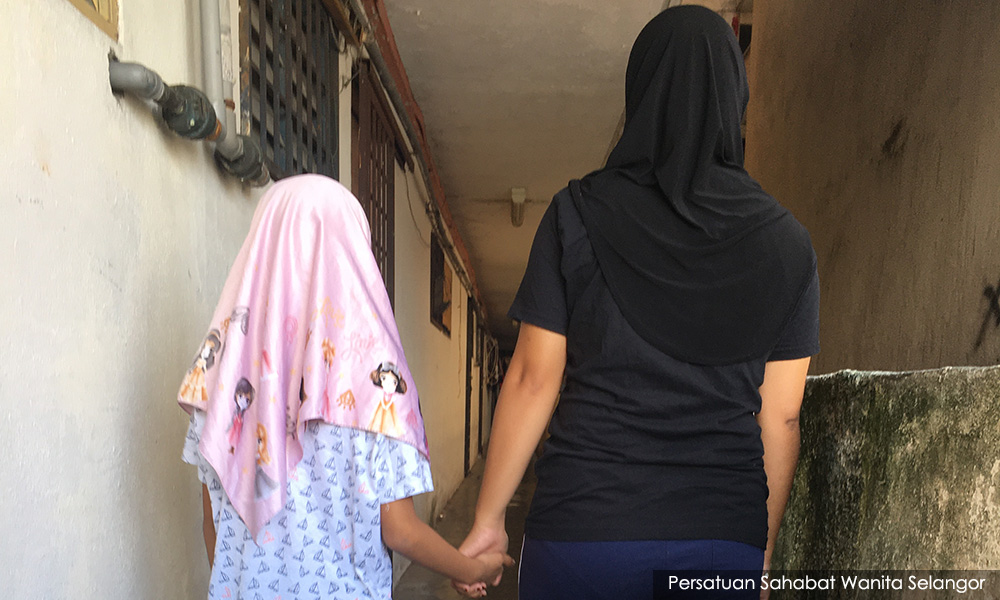
The Covid-19 pandemic has led to a surge in domestic violence cases and with hospitals overwhelmed and the economy reeling, many are forced to return to their abusive partners.
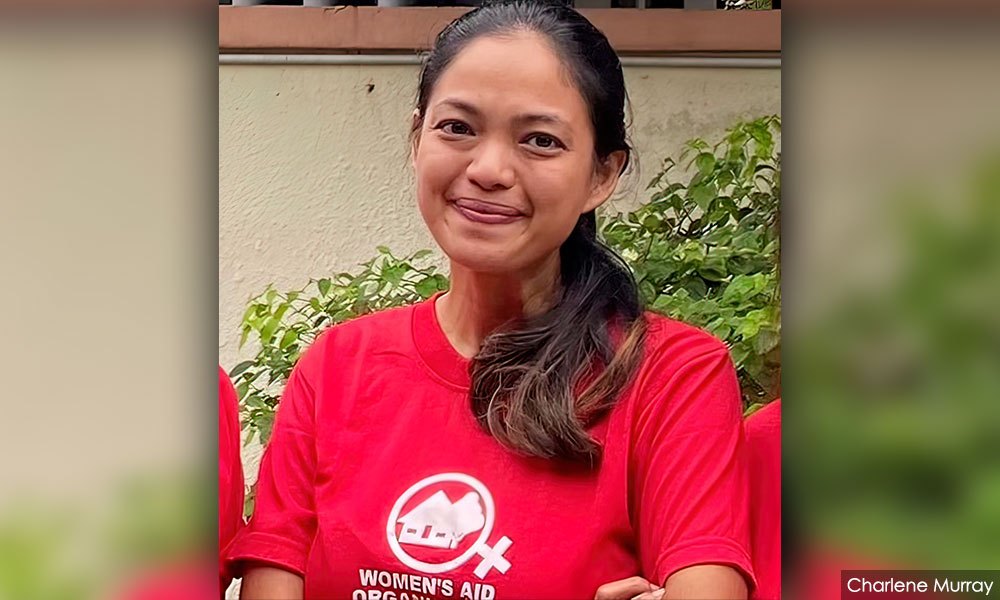
Women's Aid Organisation (WAO) services director Charlene Murray said the One-Stop Crisis Centres (OSCC) located at government hospitals are unable to extend the same degree of assistance as before.
The OSCCs are where domestic violence or rape survivors can receive treatment, collect medical evidence for legal purposes, lodge police reports, seek shelter and receive counselling services.
However, Murray said, with hospitals focusing on Covid-19, other non-critical patients are not allowed to be warded overnight and this has undermined the OSCC’s role as a temporary shelter.
“Unless someone comes in with injuries, most hospitals only provide basic treatment for OSCC patients and do not encourage them to stay overnight due to the risk of exposure to Covid-19.
“Many times when these women are turned away, they are...
The Covid-19 pandemic has led to a surge in domestic violence cases and with hospitals overwhelmed and the economy reeling, many are forced to return to their abusive partners.
Women's Aid Organisation (WAO) services director Charlene Murray said the One-Stop Crisis Centres (OSCC) located at government hospitals are unable to extend the same degree of assistance as before.
The OSCCs are where domestic violence or rape survivors can receive treatment, collect medical evidence for legal purposes, lodge police reports, seek shelter and receive counselling services.
However, Murray said, with hospitals focusing on Covid-19, other non-critical patients are not allowed to be warded overnight and this has undermined the OSCC’s role as a temporary shelter.
“Unless someone comes in with injuries, most hospitals only provide basic treatment for OSCC patients and do not encourage them to stay overnight due to the risk of exposure to Covid-19.
“Many times when these women are turned away, they are not given the space to think about what to do next. They are told to leave to avoid contracting Covid-19,” she told Malaysiakini.
Due to their fear of contracting the virus, she said the women tend to return to their homes and lose the chance of escaping from abuse again.
Therefore, Murray urged the government to ensure OSCCs function as normal during the pandemic as it is unreasonable to tell someone in crisis to go from one agency to another to seek assistance.
WAO also proposed that RM50 million should be allocated in Budget 2022 for OSCCs, including implementing a monitoring and evaluation mechanism.
According to WAO, the number of survivors seeking shelter increased by 1.5 times during the first half of this year.
The organisation has provided shelter for 61 domestic violence survivors (including women and children) by June 2021 compared to 24 for the same period last year.
WAO also provided advice and assistance to 3,510 enquiries or complaints during the first half of this year, including rape, sexual harassment, stalking, homelessness and other cases.
Nearly half or 1,662 of those cases involved domestic violence.
The multiple lockdowns imposed to curb the spread of Covid-19 had exacerbated the situation.
Investigations in limbo
On the police front, WAO found that with resources diverted to enforce the movement control order (MCO), cases involving domestic violence were ignored.
The organisation said many investigation officers (IOs) from the Sexual, Women and Child Investigations Division were assigned to other tasks during the pandemic.
“A lot of cases have been left in limbo until another IO takes over or until the IO is transferred back.
“(Merely) lodging a police report is not enough. The IOs have to take statements, carry out the process of arresting and charging the perpetrator in court and making sure the case is not being thrown out.
“All these require the investigation officer to be present and to handle the paperwork,” Murray added.
Furthermore, she pointed out, restricting movement to within 10km, barring inter-district and inter-state travel and limiting the operation hours for public transport have also made it difficult to reach out for help.
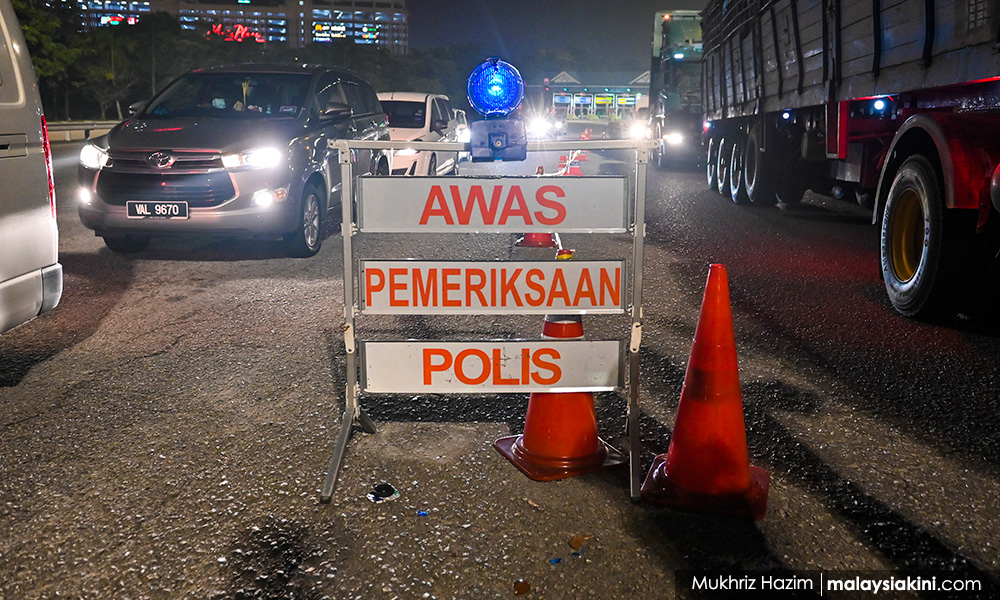
“If an abused woman finds that the only available period for her to escape is in the middle of the night, chances are we will not able to assist her.
“Because she is unable to get transportation and we are unable to arrange transportation for her to move from an abusive situation to a safe place,” she added.
Murray also rued the limited number of domestic violence shelters, which are mainly located in the Klang Valley and therefore posed a problem for those in other states due to the movement restrictions.
She said it is almost impossible for these women to apply for a permit to cross state boundaries.
In view of this, WAO urged the government to allocate RM30 million for the Women, Family and Community Development Ministry to set up more crisis shelters.
Safe from harm but broke
Even after escaping from an abusive environment, Murray said survivors with children in tow are faced with another dilemma, which is finance, since the pandemic has made employment scarce.
Under such circumstances, a woman might return to the perpetrator for the sake of their children.
“It is tough for anyone who wants to start a new life, let alone mothers who did not hold a permanent job for a long time.
“Every aspect of the economy is suffering, even the food industry is suffering. They used to find jobs as waitresses but even restaurants have closed down,” she added.
Based on WAO's previous experience, Murray said the main reason for women to return to their abusive partners is because of their children.
“Some survivors feel it is easier to return to their abusive households if their husbands are willing to change because of the difficulty of finding a proper job to provide for their children,” she added.
To address this problem, WAO urged the government to allocate RM20 million for upskilling and education programmes for women to better equip them to enter the formal workforce.
They also called for RM776 million to implement incentive-based hiring programmes to promote the hiring of women, targeting vulnerable groups such as single mothers.
It also called on the government to allocate RM247.5 million for childcare programmes.
This includes building community childcare centres and allowances for childcare centres and babysitters registered with the Social Welfare Department to purchase essential items, such as food and diapers.
Unable to secure financial aid
WAO also observed that many domestic violence survivors were unable to receive financial aid from the government.
To be eligible for the Bantuan Prihatin Rakyat, the application must be for a household unit.
“Survivors have told us that they do not dare ask their husbands about the financial aid and since most are unemployed, they have to rely on the money given by their husbands,” Murray said.
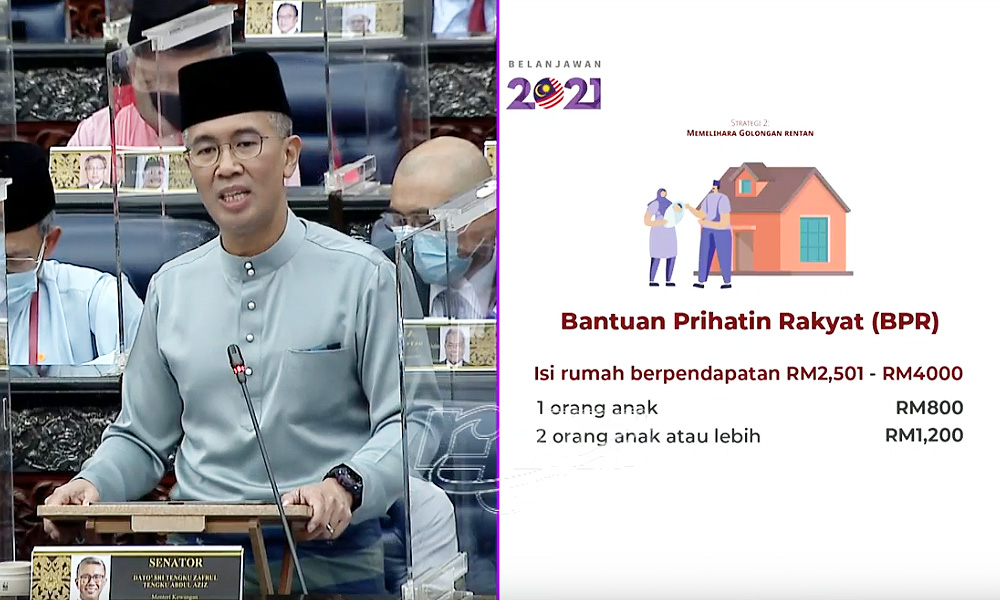
On the other hand, she noted that most of the survivors who left their husbands did not go through a legal divorce procedure because their husbands do not agree to the separation.
“If the person who applies for aid is married and registered under the National Registration Department, they will not qualify if they apply separately, without their spouse,” she added.
She proposed that the government allows domestic violence survivors to apply for financial aid with police reports as supporting documents.
Apart from this, WAO urged the government to allocate RM22 million to expand the scope of the Legal Aid Department to better assist the B40, lower-middle-income groups and non-Malaysians.
Give social workers official status
In order to improve the domestic violence situation, Murray said the government should table the long-delayed Social Workers Profession Act as soon as possible.
She said this would ensure that those hired by the government and NGOs would have the official title as social workers and fulfil the required standard.
At present, she said, social workers from NGOs without official authorisation are viewed as meddling in cases.
“Now, when we go to a police station or when we call to ask for updates, some investigation officers are reluctant to share information or explain the situation,” she added.
WAO also urged the government to allocate RM153.2 million to strengthen the capacity of social workers.
This includes designating 4,000 spots for hiring social workers, child protectors and crisis support personnel, and an RM1.2 million annual allocation to the Ministry of Education to increase the number of students studying social work.
Malaysiakini has reached out to the police, the Ministry of Finance and Health Minister Khairy Jamaluddin on the issues raised.
If you or someone you know is experiencing domestic abuse (or other forms of gender-based violence), you may contact the following resources for assistance:
WAO Hotline: +603 300 8858 (24 hours), Tina (WhatsApp): +6018 988 8058 (24 hours)
Talian Kasih: 15999 (24 hours) / +6019 2615999 (WhatsApp)
Telenisa Hotline & WhatsApp: +6012 812 3424
All Women’s Action Society (Awam) Hotline & WhatsApp: +6016 237 4221
Women’s Centre For Change (WCC) Hotline: ( WCC Penang) +6011 3108 4001 / 016428 7265 : (WCC Seberang/PPW) +6016 439 0698 / +6016 418 0342
Malaysia Emergency Response Service (Mers): 999 (24 hours)
You can also visit the Women's Aid Organisation's website for information on domestic violence and how to get help.




Are you sure you want to delete this comment?
This action cannot be undone.