



Women-friendly budget still has room for improvement, say NGOs
BUDGET 2022 | Several women's groups have voiced their approval for Budget 2022 tabled yesterday where more allocations were given to address issues affecting women.
However, they argued that more has to be done to address gender inequalities in the country.
The Women's Aid Organisation (WAO) said while it...
BUDGET 2022 | Several women's groups have voiced their approval for Budget 2022 tabled yesterday where more allocations were given to address issues affecting women.
However, they argued that more has to be done to address gender inequalities in the country.
The Women's Aid Organisation (WAO) said while it commends some of the announcements made by Finance Minister Tengku Zafrul Abdul Aziz in Parliament yesterday, there are still areas left completely untouched by the government.
“There were several noteworthy announcements, such as the allocation towards the police’s D11 Department, addressing period poverty, mandating public-listed companies to appoint at least one woman to their board, and expanding social protection to the informal sector.
“However, we question if the budget does enough to fundamentally address gender inequalities that permeate all spheres of life.
“We did not see an increase in investment in childcare, despite the lack of childcare being a major impediment for women’s work – a challenge which Covid-19 had exacerbated,” its executive director Sumitra Visvanathan said in a statement last night.
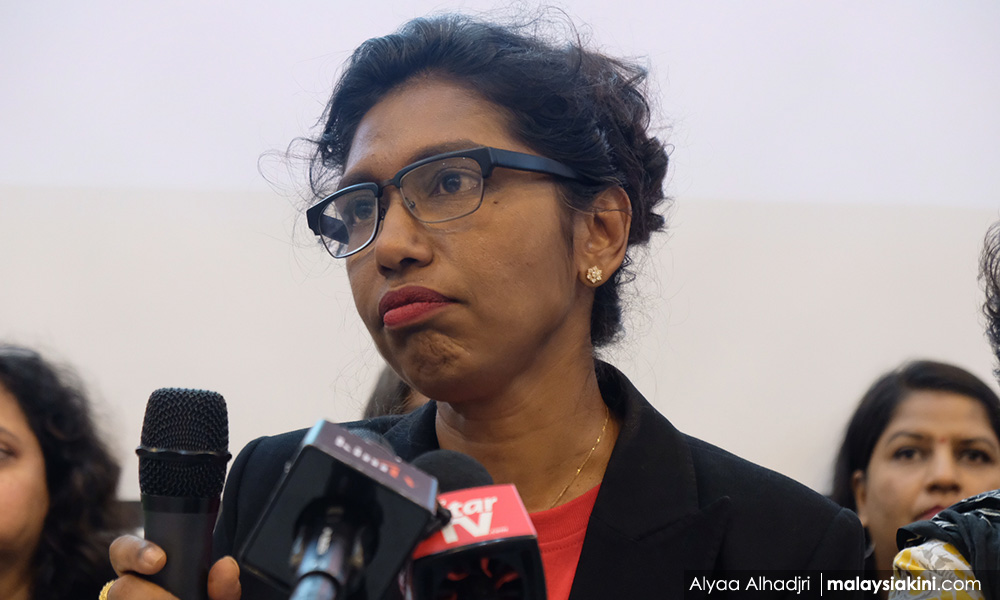
Sumitra added that besides the allocation for the D11 police unit, which investigates sexual, women, and child-related crimes, there was no mention of any additional allocation for services such as one-stop crisis centres in public hospitals, or an increase in Welfare Department officers.
She noted the budget’s commitment to increase women’s protection shelters as well as an allocation for mental health but pointed out neither allocation figures were specified in Parliament yesterday.
On the cash transfer programmes, Sumitra said the RM2,500 one-off payment to single parents seems very low, at just RM208 per month.
“Overall, while we acknowledge there was some emphasis on gender in the budget, we feel this budget could have been more ambitious, especially given that already large gender gaps have worsened following the pandemic,” said Sumitra.
SIS: M'sia has more than 2,000 single parents
Sisters in Islam (SIS) also raised similar concerns on the allocation given to single parents in Budget 2022.
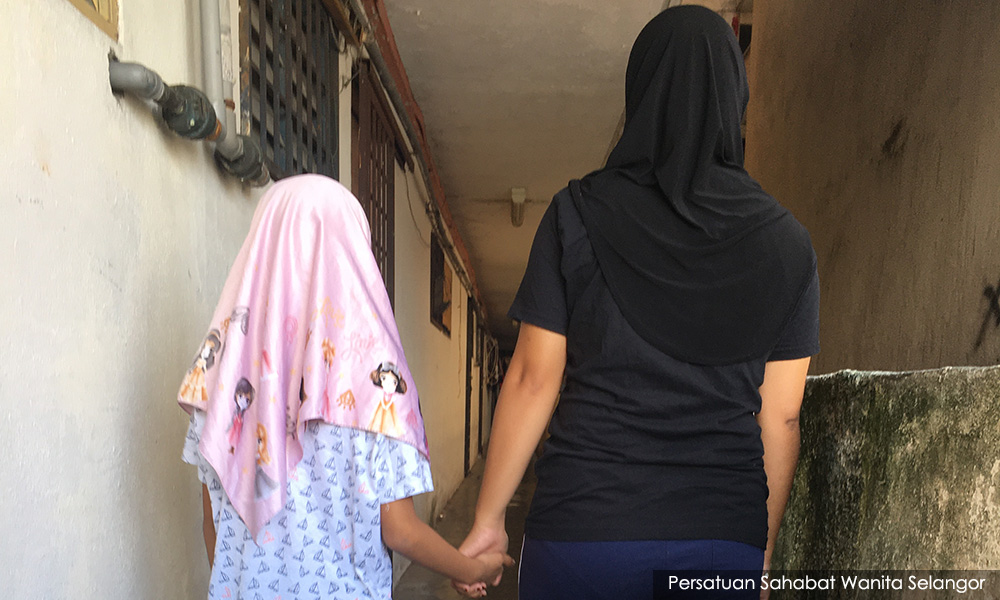
It said while it takes note of the allocation on women and children, and the women quota at public-listed companies’ boards, the MyKasih Kapital allocation for single parents fell short of addressing the reality in Malaysia.
“The allocation for MyKasih Kapital would only benefit up to 2,000 single mothers when the number of single mothers in Malaysia exceeds more than this.
“Whether the budget addressed the structural poverty issues faced by single-parent households affected by the pandemic remains to be seen,” SIS said in a statement yesterday.
The group also lamented the lack of allocations for an impact assessment on how the pandemic is linked to various crimes against women and children, as well as data gathering on gender analysis for more gender-sensitive policies.
“Further analysis is required to ascertain the total amount that is budgeted for women, indigenous, disabled and minority communities, and children in Malaysia and how the budget is allocated in terms of addressing their economic, housing, education, health and employment needs.
“We take note as well of the RM1.5 billion budget that is allocated to the development and management of Muslim affairs under the Prime Minister's Department,” SIS added.
'More needed to address period poverty'
Similar sentiments about the government not reaching far enough on women issues were also echoed by Pejuang Women’s Youth chief Nurul Ashikin Mabahwi.
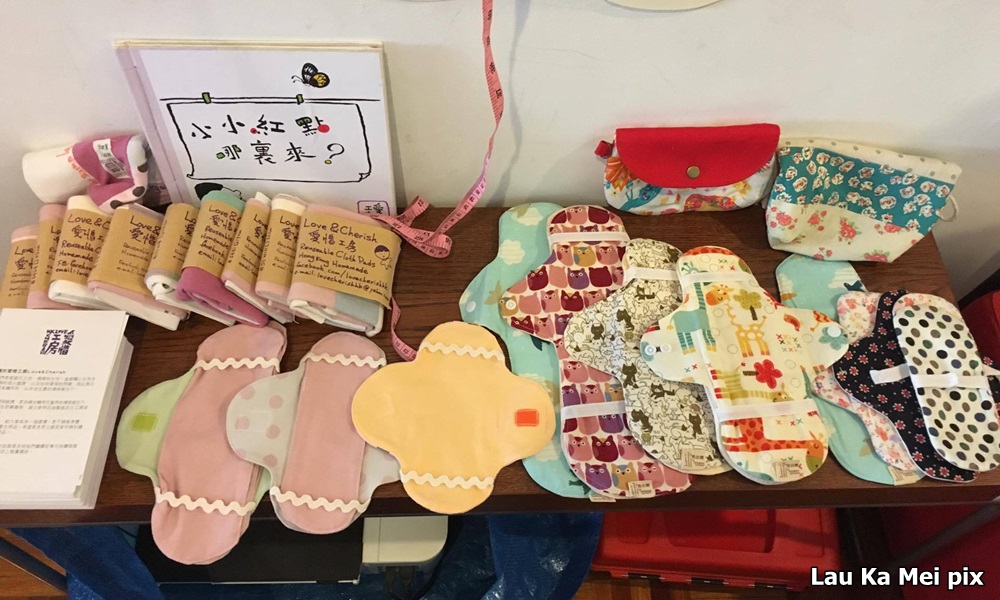
She said this is the first time that the government has put its emphasis on the period poverty issue, where 130,000 women in the B40 group will receive a self-hygiene kit for free every month.

“Even though I hope all women in B40 especially students will receive free sanitary pads to deter (one), the issue of truancy due to (the girls) not being able to buy sanitary pads, and (two), frequent pregnancy, also due to not being able to buy sanitary pads.
“Yes, these are two common issues for those who follow the period poverty issue closely. Handing out (free self-hygiene kits) to only 130,000 teens is not a solution to this problem.
“But this is a good initiative to start deterring period poverty. I hope it will be implemented thoroughly and transparently,” she said on Twitter after the budget’s tabling.
Utusan Malaysia previously reported that some teenage girls from poor families would rather get pregnant so they would not need to buy sanitary pads during the nine months of pregnancy.
The revelation highlighted the dire situation among women and girls experiencing period poverty, as well as the impact on women education among lower-income communities.



Are you sure you want to delete this comment?
This action cannot be undone.