



Border reopening delayed in fear of Covid spike after Johor election: MOH
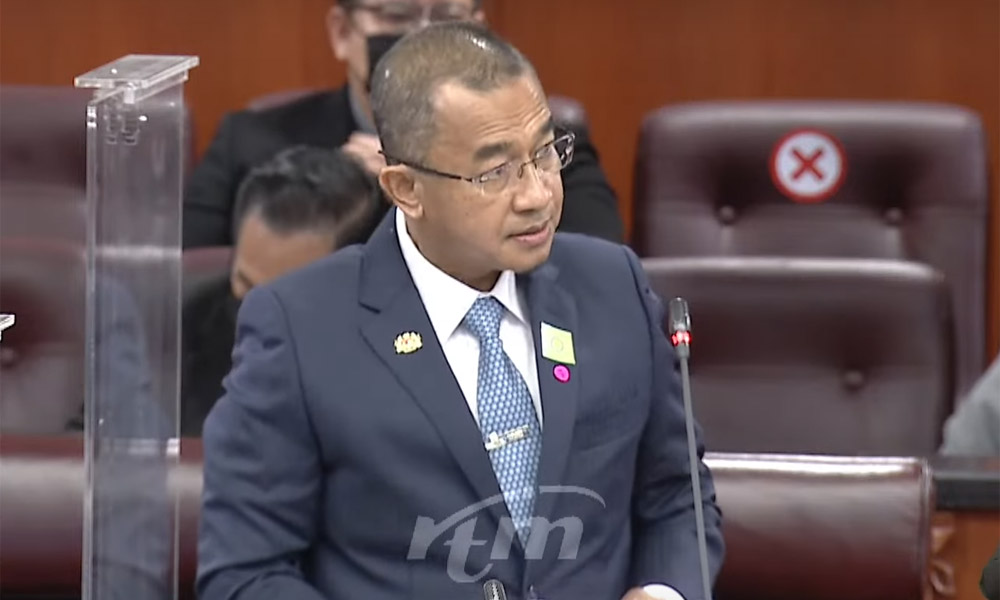
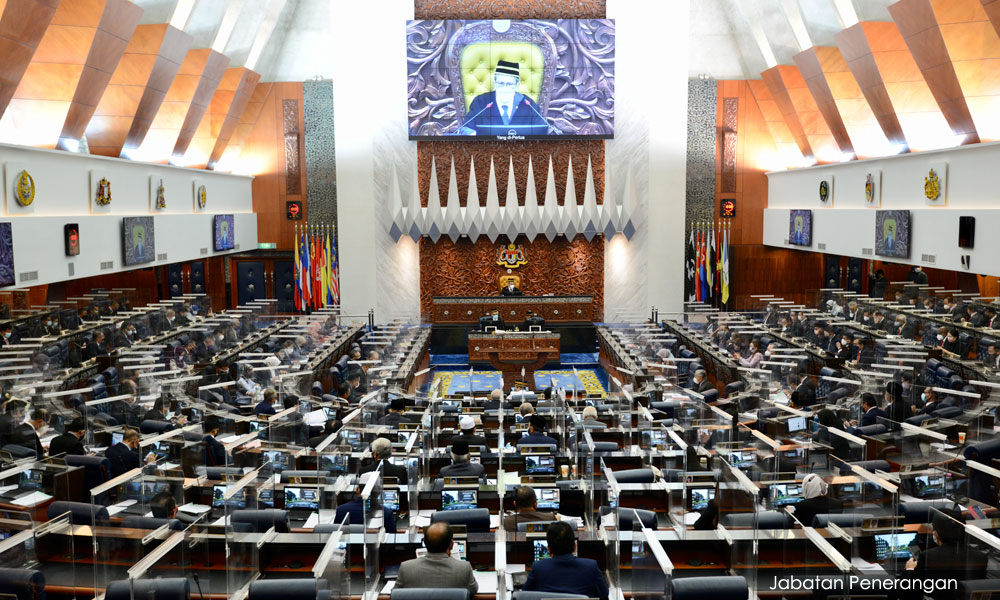
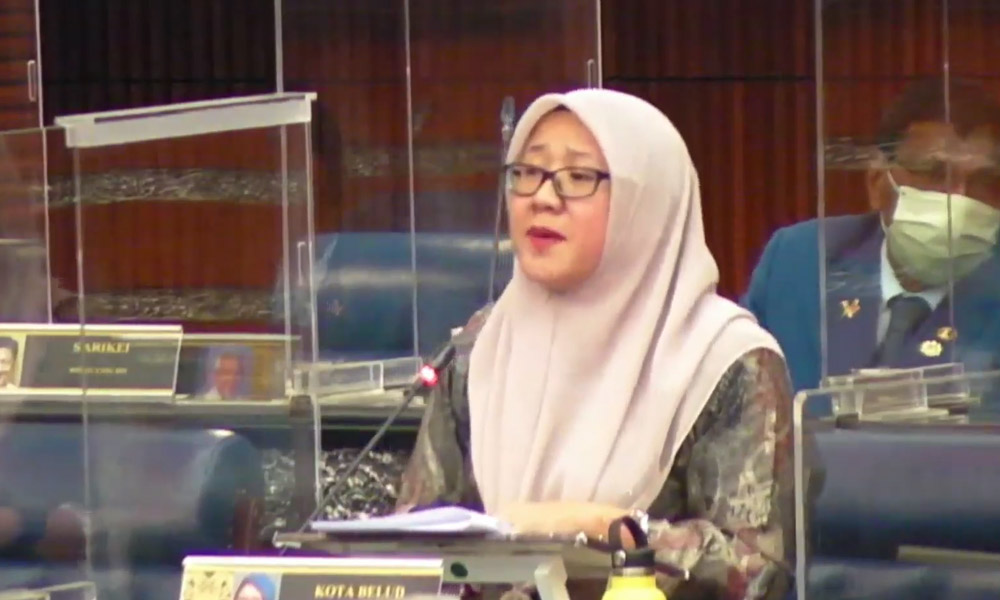
PARLIAMENT | The decision to postpone the reopening of Malaysia's international borders from March 1 to April 1 was made out of fear that the Johor election could have caused a spike in new Covid-19 cases, said Deputy Health Minister Dr Noor Azmi Ghazali.
In answering a question from Syed Saddiq Syed Abdul Rahman (Muda-Muar), the Bersatu minister also...
PARLIAMENT | The decision to postpone the reopening of Malaysia's international borders from March 1 to April 1 was made out of fear that the Johor election could have caused a spike in new Covid-19 cases, said Deputy Health Minister Dr Noor Azmi Ghazali.
In answering a question from Syed Saddiq Syed Abdul Rahman (Muda-Muar), the Bersatu minister also slammed "certain quarters" that wanted to have an election when the country was still struggling with a pandemic.
"The decision to postpone (border reopening) for about a month was based on several matters that were brought up by the health minister for discussion.
"If I remember correctly because the Johor election was around the corner then, we were worried, as the decision we had to make was a major one.
"To reopen borders requires focus on more important matters so that the rakyat and our country is safe,” Azmi said.
Syed Saddiq had requested the Health Ministry to provide a scientific explanation to Parliament on why Putrajaya decided to postpone the reopening of borders just a month away from March 1 as what had been proposed by the National Recovery Council.
Stopping voters
The Muar MP demanded an explanation, saying that many speculated the postponement was aimed at stopping hundreds of thousands of voters from returning to cast their votes in the Johor polls.
The state election was triggered when the then Johor menteri besar Hasni Mohammad requested for the dissolution of the state legislative assembly in February, an action that Umno claimed was necessary to bring back political stability in Johor.
It saw Umno-led BN getting a landslide victory when it gained a supermajority, bagging 40 out of 56 state seats.
According to DAP’s Kulai MP Teo Nie Ching, in January, there are around 400,000 Malaysians working in Singapore, many likely to be Johoreans.


Report this comment
Are you sure you want to delete this comment?
This action cannot be undone.