


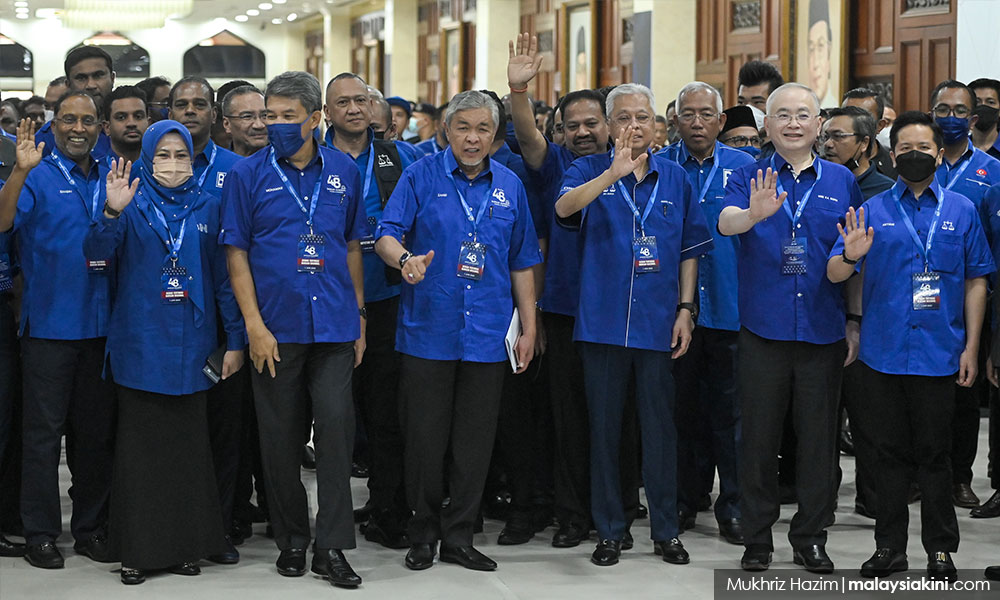

BN should advocate reforms, reject political patronage - analysts
Umno, in particular, should reform, rebrand, and position itself as a party with integrity to inspire public confidence in the long run, they said.
This came after BN deputy chairperson Mohamad Hasan cautioned the ruling coalition that it should evolve as it was considered power crazy and corrupt.
Universiti Malaya Centre for Democracy and Elections (Umcedel) research fellow Awang Azman Awang Pawi said Umno should not subject itself to political patronage brought about by other political coalitions.
"Another way to address toxic reputation is not to be subjected to the scheme of things brought about by...
BN should become a political coalition that advocates institutional transformation and rejects political patronage to get rid of its "toxic perception", according to political analysts.
Umno, in particular, should reform, rebrand, and position itself as a party with integrity to inspire public confidence in the long run, they said.
This came after BN deputy chairperson Mohamad Hasan cautioned the ruling coalition that it should evolve as it was considered power crazy and corrupt.
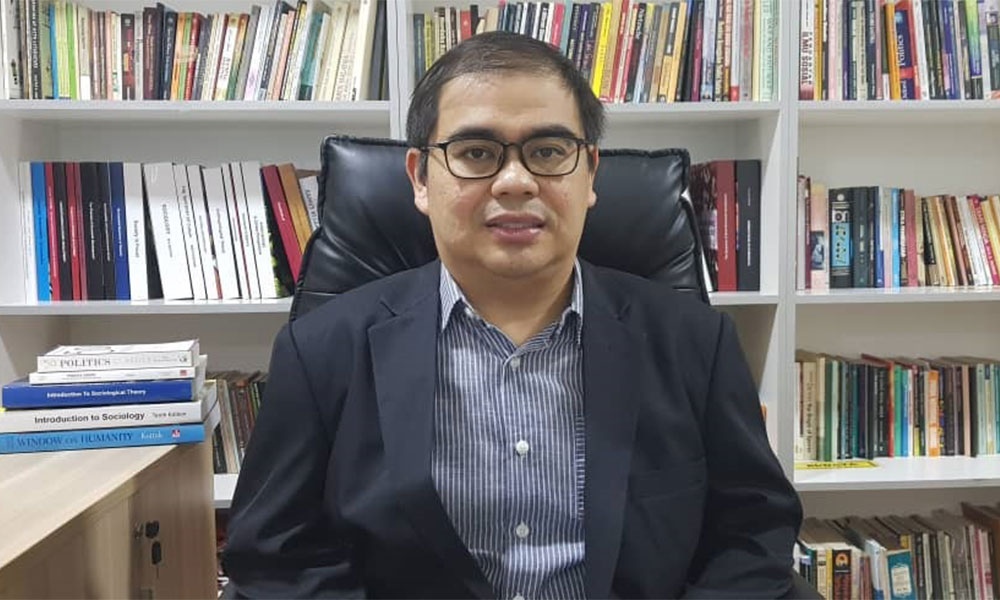
Universiti Malaya Centre for Democracy and Elections (Umcedel) research fellow Awang Azman Awang Pawi said Umno should not subject itself to political patronage brought about by other political coalitions.
"Another way to address toxic reputation is not to be subjected to the scheme of things brought about by a previous prime minister by giving cabinet posts to Umno leaders, which ultimately split the party," he told Malaysiakini when contacted.
Toxicity spread in BN following attempts to upend the Umno leadership hierarchy by another party which has allies in Umno, he said without naming former prime minister Muhyiddin Yassin’s party Bersatu.
"BN needs to move forward with fresh ideas and solutions that are tried and tested. For example, they need to come up with ideas to deal with the current economic challenges," Awang Azman said.
He also pointed out that BN has failed to make use of social media for political communication and to broaden its support base.
"Only a handful of BN leaders use social media. This is a powerful weapon, not just for publishing statements, arguments, stances or activities. Look at the impact of social media: thousands of likes or comments can be generated," he said.
"BN is seen as more defensive and does not go into offensive mode, attacking its political enemies with facts," he added.
Old faces should step down
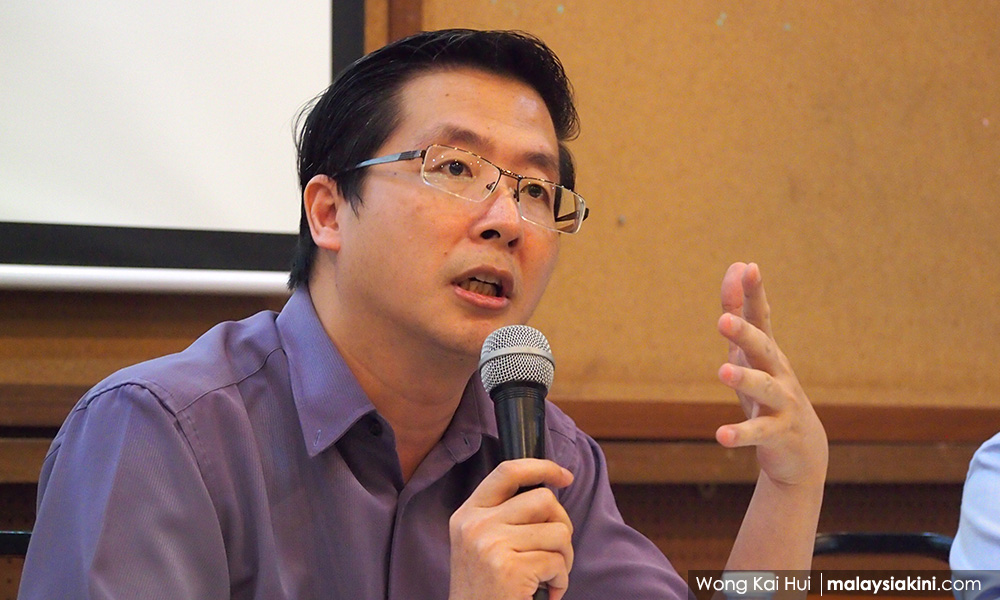
Meanwhile, political analyst Phoon Wing Keong said Umno and BN need to push for institutional reform to rebrand themselves.
"BN's rebranding depends on the rebranding and evolution of Umno.
"In the short term, Umno wants to come back to power and intends to rule as long as possible. It may harp on ethnic and religious issues. But in the long run, it needs to reform itself and support institutional reform.
"Umno should be able to respond to social progress and accept a middle-way approach in politics. Apart from that, the old forces in the party (should) step down gradually. Only then, the brand can be rebuilt," Phoon said.
"The Malacca and Johor state elections only showed Umno/BN had stopped bleeding, not expanding their support base.
"The Malay fence-sitters still have no confidence in the reforms pushed by Umno and they have reservations about Pakatan Harapan. As a result, some of them voted for Bersatu and PN," he said.
Phoon said the country’s economical and political transformation cannot take place in a comprehensive manner without Umno’s own reform.
"When (Umno deputy president) Mohamad stresses the brand image of Umno, it is implying as though he may be the best person to lead the transformation in the party," he added.
Ismail Sabri, Najib, and Zahid
Meanwhile, Council of Professors senior fellow and political analyst Jeniri Amir pointed out the challenges faced by BN in addressing its toxic perception.
"The reputation of BN has been widely tainted because of the leadership and the problem with Umno is the leaders tainted by charges in court are still there.
"It is easier said than done to rectify or improve its image. But they have no choice and they have to bite the bullet," he said.
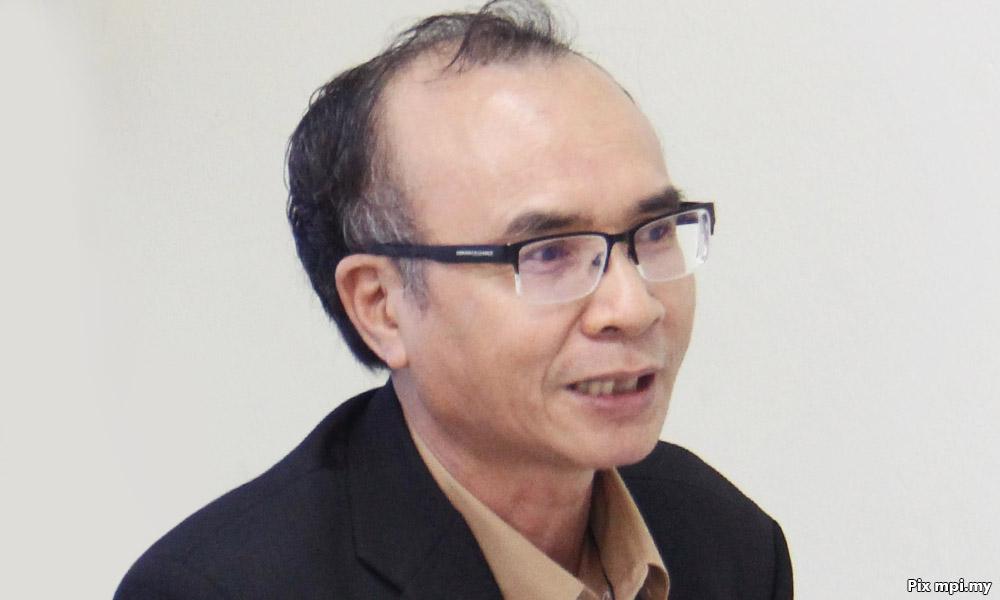
Umno learned its lesson and became retrospective following its defeat in the 2018 general election, said Jeniri, adding that is why the party accepted Ismail Sabri Yaakob as the current prime minister and is considering him their “poster boy” for the next election.
"In the minds of the rakyat, they are very clear (former prime minister) Najib (Abdul Razak) or (Umno president Ahmad) Zahid (Hamidi) will not become the next prime minister even though they are still very powerful leaders," he said.
He added that Ismail Sabri needs to have the political will to not include Zahid and Najib in the cabinet after the next general election.
Acknowledging that Zahid is in control of Umno while Najib was the party's chief campaigner for Umno, Jeniri said it is not a pragmatic move to remove them just to address the party’s toxic reputation.
"For Umno and BN to win in the next election, you cannot sideline both Najib and Zahid. Ismail Sabri is a party man and he needs to listen to the top five leaders in the party," he said.
He said the prime minister may create far-reaching repercussions in the party if he plans to make a move for himself in the party.
On BN’s toxic reputation, Mohamad, at the coalition’s convention recently, said BN is synonymous with its brand of multiracial politics that has brought stability after the events of May 13, 1969, but the brand now requires “recalibration”.
"We have to change this toxic perception. It is very important for us to present a BN that is contemporary, fresh and future-proof," Mohamad had said.


Are you sure you want to delete this comment?
This action cannot be undone.