


'Next govt must look into combating cyber troopers'
Loh stressed the importance for the next administration to look into this pressing matter as it was fracturing society by causing a huge divide among the people.
It would be the task of the next government that comes into power post-general election to offer solutions to tackle problems caused by cyber trooping, said Taylor’s University senior lecturer Benjamin Loh.
Loh stressed the importance for the next administration to look into this pressing matter as it was fracturing society by causing a huge divide among the people.
Although the ruling government had changed three times in one parliamentary term, he said, the willpower to put an end to the career of such “paid political actors”, who are deemed as a threat to democracy, leaves a great deal to be desired.
“It’s going to reach a point where it’s impossible to unite the society.
“There is a little political will to correct this situation. Almost all parties have engaged in the use of cyber troopers, up to a certain degree.
“Pakatan Harapan has their own cyber troopers too. We have not seen any legislature that even come close to doing anything to remedy the situation,” Loh lamented.
He said this in a closed-door forum after presenting a study on the types of issues and impact of cybertrooper and troll interference in digital public sphere discourses.
Spreading misinformation
Cyber troopers are individuals who are paid by political parties to infiltrate and disseminate disinformation online, with the purpose of influencing public opinion, he said.
The research was conducted for a span of three months from September to December 2021 by monitoring 131 suspicious accounts on five different platforms – Facebook and Twitter as well as forums like Lowyat, Cari and Reddit Malaysia.
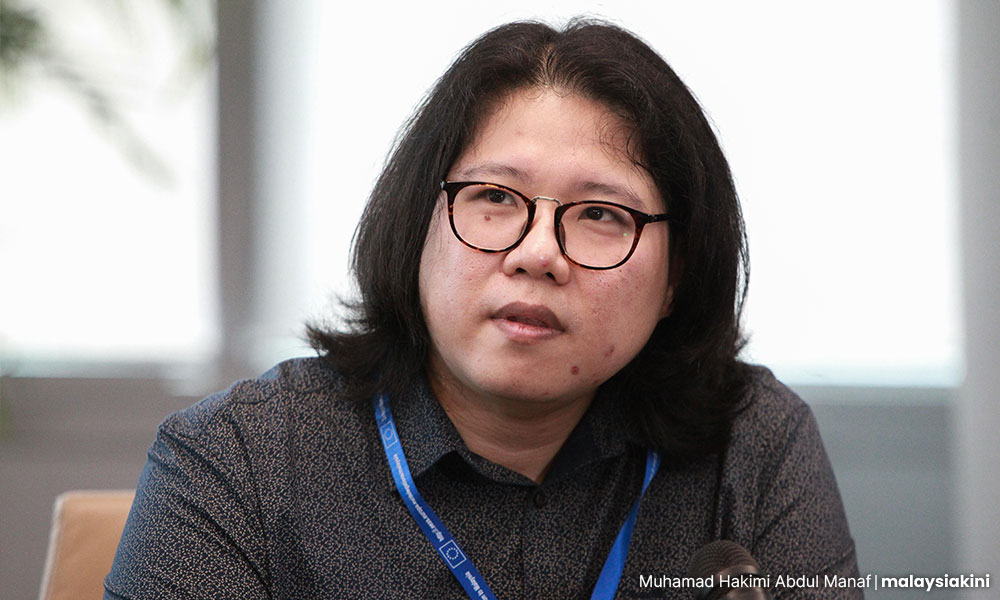
Out of 131 accounts monitored on Twitter during the same period, the majority of them were male users, which comprises 113 accounts (86 percent), said Loh, who is also the lead project investigator of the report.
“Female cyber troopers or political diehards are a rarity, which makes up only 18 or 14 percent of them.
“They were also predominantly Malay by ethnicity, making up almost 92 percent (120 accounts) while six (five percent) belong to Chinese users and three (two percent) owned by Sarawakians. No accounts belonging to Indians or Sabahans.”
Loh also foresees that there will be a lot more engagement by cyber troopers in the future, as well as the potential mushrooming of artificial intelligence-driven ones.
Therefore, he suggested that people be empowered with media literacy capabilities to enable them to verify information that they receive or see online.
“Users need to be more critical of news they read and receive by reading insights provided by academicians, field experts and ordinary people on important issues,” he said.


Report this comment
Are you sure you want to delete this comment?
This action cannot be undone.